There’s something almost uncomfortable about thinking too deeply about bloodbending, because the moment you stop viewing it as just a dark, forbidden technique and start looking at what it actually does, the conversation shifts from morality into possibility, and once you cross that line, it becomes very difficult to ignore what could have been if someone like Katara had chosen a different path, because bloodbending, at its core, is not just about control in the way the show presents it, it is about direct interaction with the most complex and fragile system in the human body, and that alone places it far beyond anything traditional healing in Avatar: The Last Airbender was ever capable of achieving, since waterbending healing, as powerful as it is, works by assisting the body rather than replacing its function, guiding energy, stabilizing injuries, and encouraging recovery, but always within the limits of what the body can naturally do, which means that when those limits are exceeded, when the heart stops, when internal bleeding becomes too severe, or when organs fail beyond repair, even the greatest healer in the world is forced to step back and accept that there is nothing more to be done, but bloodbending does not operate within those limits, it ignores them entirely, because if a waterbender can control the water within a body, then they are not just healing, they are actively managing circulation, forcing movement, and maintaining life through direct intervention rather than passive support, which means that in a practical sense, bloodbending has the potential to function as a form of manual life support, something that could keep a person alive far beyond what would normally be possible, and once you begin to follow that idea to its logical conclusion, the implications for medicine in that world become almost overwhelming,
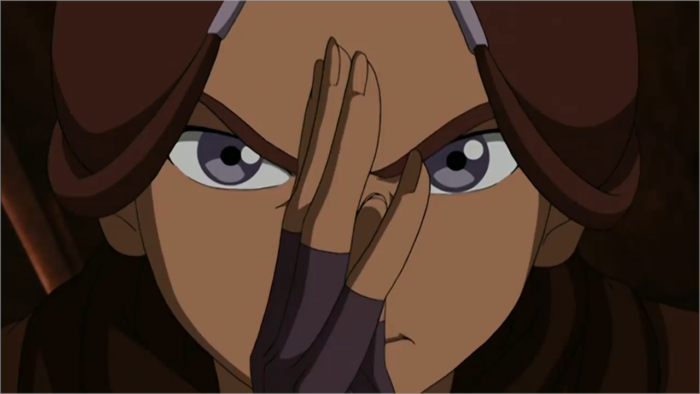
because the biggest limitation of early medical systems is not always knowledge, it is time, people do not always die because their injuries are impossible to treat, they die because help cannot reach them quickly enough or because their bodies fail before recovery can begin, and bloodbending removes that limitation entirely by allowing the healer to step in and take control of the processes that would otherwise shut down, effectively turning moments of death into moments of delay, where instead of losing someone instantly, you are given time to act, time to stabilize, and time to recover, and that alone would reshape how every injury is approached, because instead of reacting to damage, healers would be able to prevent it from escalating in the first place, stopping internal bleeding before it spreads, maintaining oxygen flow even when the lungs fail, and ensuring that the body continues to function even when it should not, and if someone like Katara had chosen to explore that potential instead of rejecting it outright, she would not just have improved healing, she would have redefined it, because her existing mastery of waterbending already places her at the highest level of precision and control, and precision is exactly what bloodbending requires when it is removed from the context of combat and placed into the context of care, since the same ability that can force a body to move can also guide it gently, adjust it carefully, and correct it in ways that no other form of bending can achieve, which means that over time, bloodbending could have evolved into a discipline focused not on domination, but on refinement,
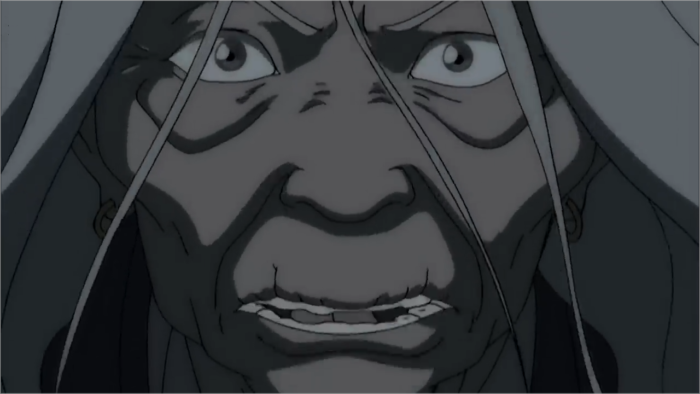
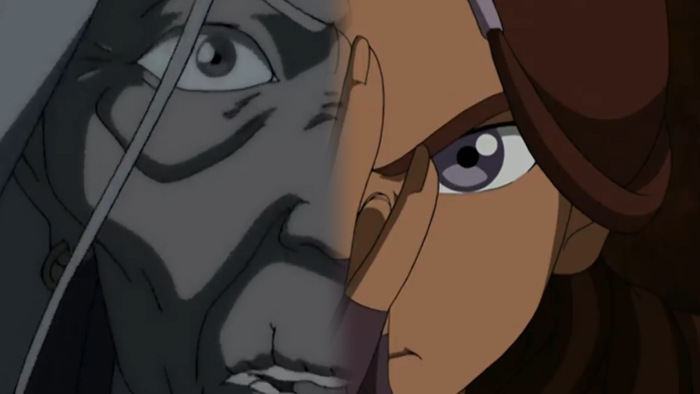
where the goal is not to overpower the body, but to understand it so completely that intervention becomes seamless, and if that discipline had been taught, carefully and responsibly, it would have created an entirely new branch of medicine within the Avatar world, one that operates independently of tools and technology, relying instead on skill, training, and control, and this is where the scale of its impact becomes impossible to ignore, because once a technique like that becomes understood and standardized, it does not stay rare for long, it spreads, it develops, and it becomes part of a system, and that system would have transformed waterbenders from healers into something closer to surgeons, emergency responders, and life-support specialists all at once, capable of handling injuries that would otherwise be fatal and extending lives that would otherwise be lost, and the ripple effects of that would reach far beyond individual patients, because improved survival rates change how societies function, they change expectations, they change risk, and they change the value placed on life itself, since once people know that something can be saved, they stop accepting that it has to be lost, and yet despite all of this potential, the reason this path was never taken comes down to something much simpler and much harder to work around, which is that bloodbending, no matter how it is used, still requires taking control away from another person, it still overrides autonomy, and it still crosses a line that no other bending technique crosses, and that is the part that Katara could not accept, because even if the intention is to heal, the method itself is invasive in a way that cannot be ignored, and once that line is crossed for the sake of saving someone, it becomes easier to justify crossing it again for other reasons, which creates a slippery slope where the same ability that can preserve life can also take it away just as easily, and that duality is what makes bloodbending so complicated, because it is not inherently evil, but it is inherently dangerous in a way that goes beyond physical harm, it challenges the idea of control, consent, and what it means to help someone, and Katara, having experienced what that loss of control feels like, chose to reject it completely rather than risk what it could become, and in doing so, she didn’t just prevent its misuse, she also prevented its evolution into something else entirely, something that could have changed the medical world of the Avatar universe in ways that are difficult to fully measure, leaving behind a version of reality where healing remained limited, where certain deaths remained unavoidable, and where a power that could have bridged that gap was left unexplored, not because it lacked potential, but because the cost of understanding it was something she was never willing to pay.