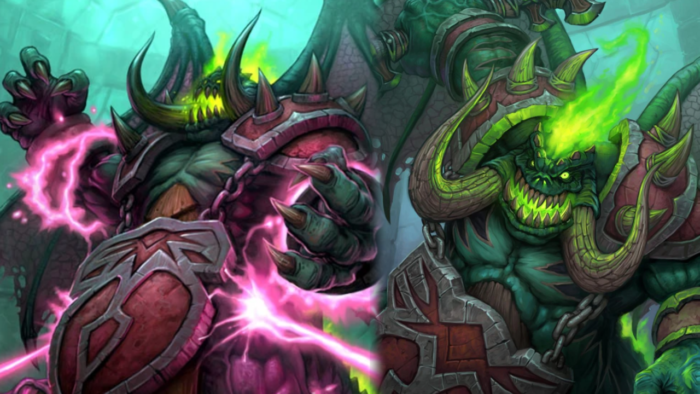
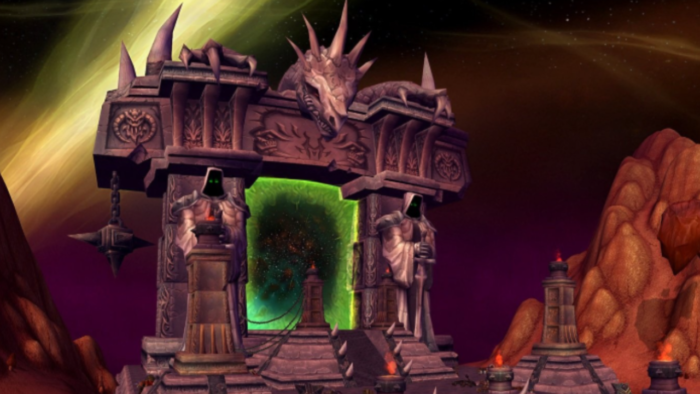
When you first walk into Hellfire Citadel in The Burning Crusade, the objective feels simple, almost too simple for how much buildup surrounds it, because at the end of that journey is Magtheridon, a massive pit lord chained beneath the fortress, clearly defeated, clearly imprisoned, and yet still marked as a target that needs to be killed, and that’s where the question starts to form, because unlike most enemies in World of Warcraft, Magtheridon isn’t actively threatening anything in that moment, he isn’t leading an invasion, he isn’t commanding an army, he’s already been broken and bound, which makes the situation feel less like a battle and more like an execution, and the only way that makes sense is if his existence alone is still a problem.
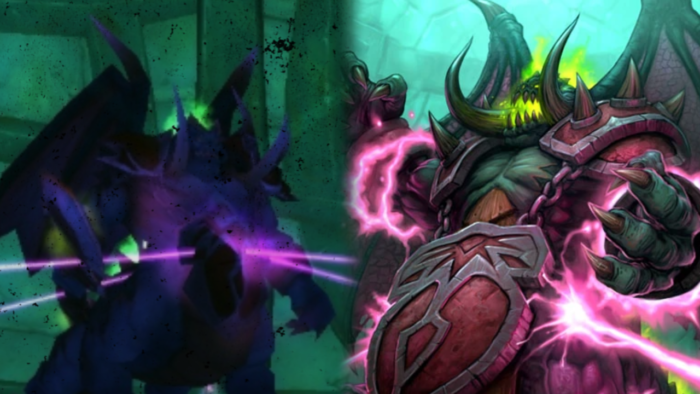
To understand why, you have to step back and look at what Outland actually is during this time period, because it’s easy to think of it as just another zone filled with demons, but it’s not unified, it’s not stable, and it’s definitely not controlled by a single force, since what you’re really walking into is the aftermath of the Burning Legion invasion of Draenor, where multiple factions are now fighting over what’s left, each trying to claim control over a world that has already been broken once, and sitting at the center of that power struggle is Illidan Stormrage, who has taken control of Outland not by destroying the Legion’s influence, but by repurposing it, which is where Magtheridon comes back into focus.
Magtheridon originally served the Burning Legion as one of its most powerful enforcers, effectively acting as the Legion’s authority in Outland after the fall of Mannoroth, but during the events of Warcraft III: The Frozen Throne, Illidan, alongside Akama and Kael’thas, defeats him and takes control of the region, and instead of killing him, Illidan makes a very specific decision—he keeps him alive, chained deep within Hellfire Citadel, and that choice is not mercy, it’s strategy, because Magtheridon isn’t just a demon to be removed, he’s a resource to be used, and that distinction is what turns his imprisonment into something far more dangerous than his freedom.
The fortress itself reflects that decision, because Hellfire Citadel is not just a stronghold, it’s a system built around control, run by the Ilidari forces and supported by warlocks who are actively maintaining Magtheridon’s imprisonment, not to keep him contained for safety, but to keep him accessible, because what they are extracting from him is far more valuable than simply removing him from the board, and that value comes from his blood, which ties directly into one of the most important and often overlooked parts of the entire Burning Crusade narrative—the creation of the Fel Orcs.
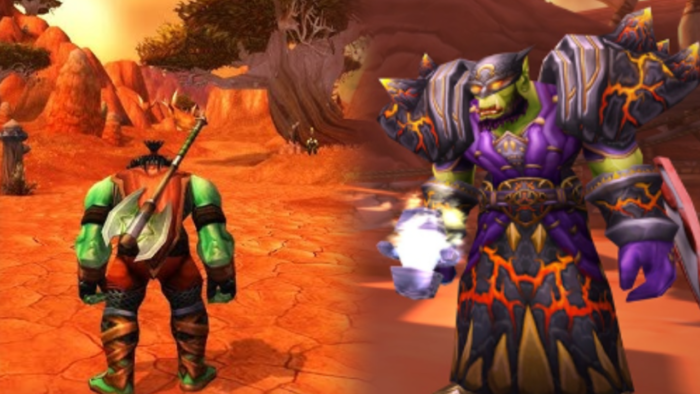
By the time players arrive in Outland, the orc population is no longer a single unified group, but split into three distinct states that reflect different stages of corruption and control, with the brown Mag’har representing the uncorrupted remnants of Draenor, the green orcs representing those who once drank the blood of Mannoroth and were later freed, and then the red Fel Orcs, who are something entirely different, because unlike the green orcs who were empowered once and then left to deal with the consequences, the Fel Orcs are in a constant state of exposure, continuously fed and infused with demonic energy, specifically through the blood of Magtheridon himself, which turns his imprisonment into something far more active than it appears on the surface.
This is where the situation shifts from confusing to clear, because Magtheridon isn’t just being held captive, he’s being harvested, and as long as he remains alive, that process continues, feeding Illidan’s war machine and strengthening his forces with each new Fel Orc created, which means that even though he is physically restrained, his influence is still spreading, still growing, and still actively shaping the balance of power in Outland, and that’s the reason the idea that “he’s already defeated” doesn’t actually matter, because his role has changed from leader to fuel.

At the same time, this setup also reflects Illidan’s larger philosophy, because rather than rejecting the power of the Burning Legion outright, he chooses to control it, to bind it, and to use it as a weapon against itself and against anyone else who stands in his way, and Magtheridon becomes the most direct example of that idea, a literal embodiment of demonic power chained and repurposed, which might sound like control on the surface, but in practice creates a system that is just as dangerous as the one it replaced, because it still relies on the same source of corruption to function.
From the player’s perspective, this is where the purpose of the raid begins to make sense, because by the time you reach Magtheridon, you’re not just dealing with a leftover demon from the Legion’s invasion, you’re confronting the engine that is actively sustaining one of the biggest threats in Outland, and whether you’re approaching it as a member of the Horde, freeing orcs who are still being enslaved and transformed, or as part of the Alliance, dismantling a major Ilidari asset that continues to destabilize the region, the goal becomes the same, because leaving Magtheridon alive means allowing that system to continue.
There’s also a practical layer to this that ties into the broader campaign against Illidan, because subjugating a pit lord is not something that can be maintained indefinitely without constant control, and as long as Magtheridon exists, there is always the risk that control could fail, that he could break free, or that another faction could take advantage of his power, which turns his existence into a liability no matter who is holding him, and that makes the decision to kill him less about immediate necessity and more about removing a variable that cannot be safely contained.
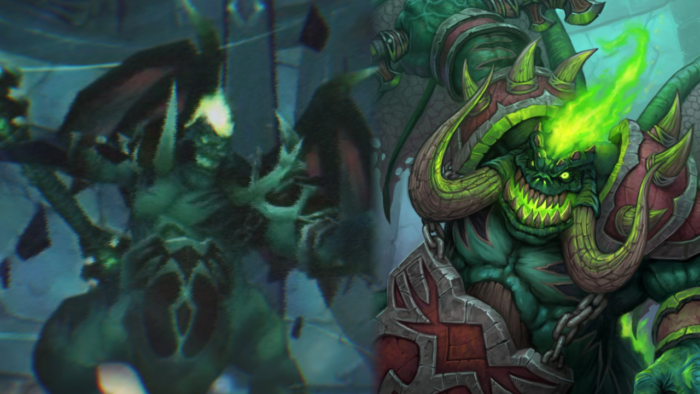
This is why the structure of Hellfire Citadel itself feels the way it does in-game, because you don’t go straight to Magtheridon, you work your way through the fortress, through the dungeons and the Fel Orc forces that are being sustained by his blood, gradually dismantling the system around him before finally reaching the source, and when you do, the fight isn’t about revenge or even about stopping the Burning Legion directly, it’s about cutting off the supply line that has been fueling this entire operation from the start.
By the time Magtheridon falls, what you’ve actually done is remove one of the last remaining pillars of the Legion’s original influence over Outland while also crippling Illidan’s ability to continue producing Fel Orcs at scale, which is why the campaign naturally moves forward after that point, because with that engine destroyed, Hellfire Citadel stops being the same level of threat it once was, and the focus shifts to the next power holding the region together.
So when you look back at that original question—why do we need to kill Magtheridon if he’s already imprisoned—the answer isn’t just that he’s dangerous, it’s that he’s still useful, and in a place like Outland, usefulness is often more dangerous than freedom, because as long as something like Magtheridon can be controlled, it can be exploited, and as long as it can be exploited, it will continue to shape the world around it, which makes killing him less about ending a fight and more about shutting down a system that should never have been allowed to exist in the first place.