At first glance, One Piece looks like a familiar story. Marines represent justice, pirates represent crime, and the conflict between them feels straightforward. But the longer you watch, the more that idea breaks down. The world isn’t divided into good and evil. It’s divided by perspective, power, and choice, and that’s why the line between Marines and pirates never stays clear.
The simplest way to understand this is to look at what each side actually does, not what they’re called.
Pirates Are Feared for a Reason
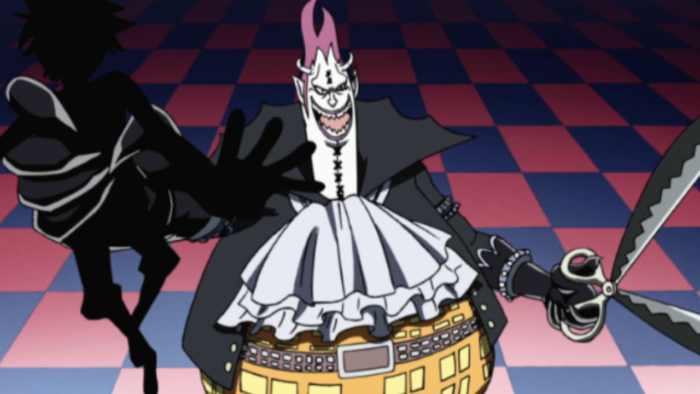
Most pirates in the world of One Piece are exactly what the title suggests: criminals. They raid towns, steal resources, and hurt people. Characters like Arlong, Don Krieg, and Kuro show what the average pirate looks like in the East Blue. They take what they want and leave destruction behind. That’s why civilians fear pirates, and that fear isn’t just propaganda—it’s based on real experience.
Even outside the main story, fans often point out that the Straw Hats are the exception, not the rule. As one discussion puts it, “Arlong and Kid pirates are the norm, not Strawhats.” This matters because it reinforces the idea that piracy, by default, is dangerous.
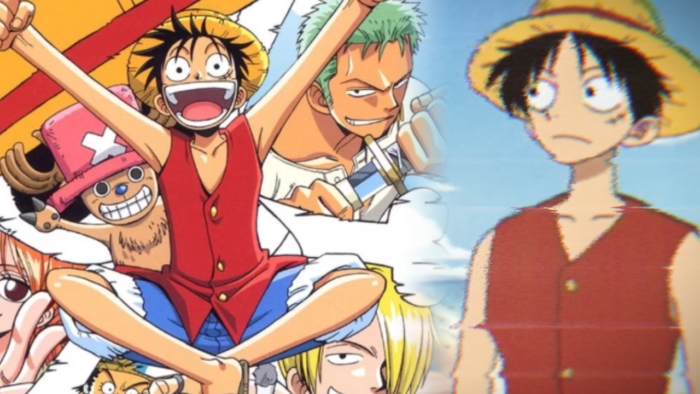
But then you have Monkey D. Luffy and his crew, and everything becomes less clear. In the same arc where pirates are terrorizing villages, Luffy is freeing them. He defeats Arlong and saves Nami’s hometown. He takes down Buggy, Kuro, and Krieg—not for profit, but because they’re hurting people. His actions don’t match the label he carries.
The same pattern appears later in the series. Pirates like Whitebeard protect entire islands, while others like Shanks maintain peace without demanding anything in return. These characters don’t act like villains, even though the world treats them as threats.
So the reality is this: pirates are not one thing. Some are violent and selfish, while others are driven by loyalty, freedom, or protecting others. The title “pirate” doesn’t define their morality—it just defines their position outside the law.
Marines Represent Justice
On the other side, the Marines exist to enforce order under the World Government. Their entire identity is built around justice. In fact, justice is considered their core principle, but even within the Marines, that idea changes depending on the person.
That difference shows up immediately in the story.
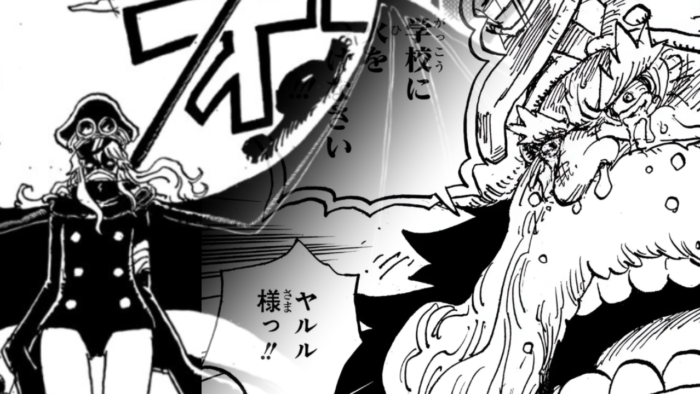
Early on, you meet Captain Morgan, a Marine who abuses his power, rules through fear, and treats civilians as tools. He isn’t protecting people, he’s controlling them. Then you see Nezumi, a Marine who takes bribes from Arlong to ignore the suffering of an entire village. These aren’t small mistakes. They are clear examples of corruption inside the system.
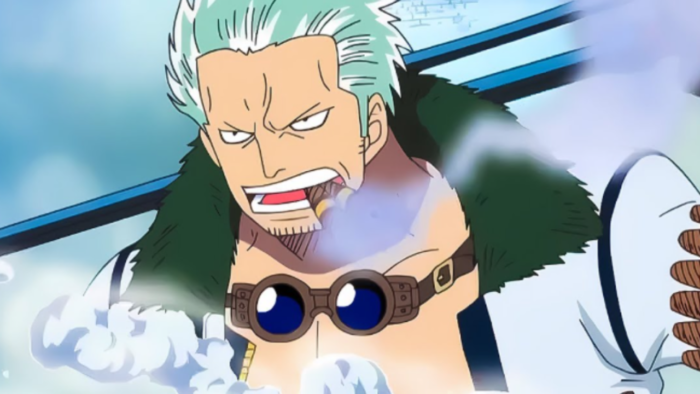
At the same time, you also meet Marines like Captain Smoker. Smoker follows pirates relentlessly, but not because he enjoys control or power. He genuinely believes in justice. He even recognizes that Luffy isn’t like other pirates, yet he still does his job because he believes in the system he serves.
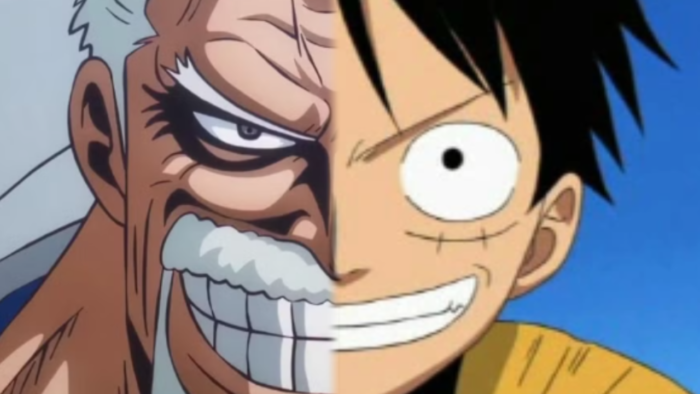
Then there’s Garp, who is respected as a hero but often ignores orders when they conflict with his personal morals. And later in the series, characters like Fujitora openly challenge the World Government itself when they see injustice.
This creates a system where the same uniform can represent completely different values. Some Marines protect people. Others abuse their authority. And many simply follow orders without questioning them.
The System Itself Is Flawed
The gray area becomes even clearer when you look at the World Government behind the Marines.
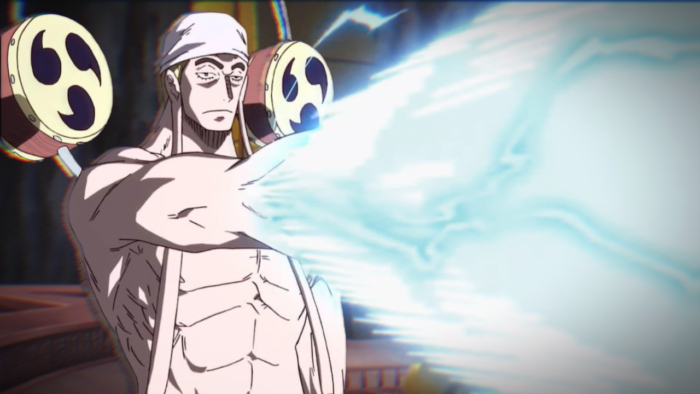
The Marines aren’t independent. They serve a larger system, and that system isn’t always fair. There are moments in the story where the government punishes innocent people, protects dangerous individuals, or manipulates information to maintain control.
One of the most important ideas introduced is that justice can be shaped by those in power. As the series itself suggests, “justice” changes depending on where you stand.
That means:
- A pirate helping people can still be labeled a criminal
- A Marine following orders can still cause harm
- Entire groups can be judged without context
This system creates situations where the law doesn’t always align with what is right. And once that happens, the line between hero and villain starts to blur.
Perspective Changes Everything
What makes One Piece different is that it constantly shifts perspective.
If you’re a civilian who has been attacked by pirates, the Marines are your protectors. They represent safety and order. But if you’re someone living under a corrupt Marine officer, that same organization becomes the problem.
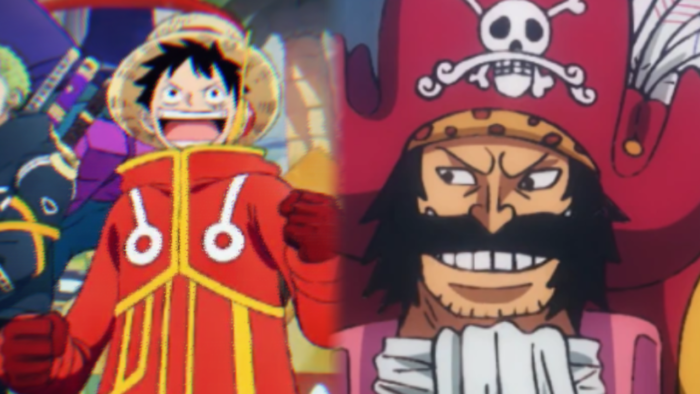
At the same time, pirates can look like monsters or heroes depending on who you ask. To the World Government, they are threats. To the people Luffy saves, they are the only reason they survived.
This idea is summed up perfectly through the concept of justice in the series: there isn’t one version of it. There are multiple, and they often conflict.
The Real Answer
Marines and pirates are portrayed in a gray area because the story isn’t about titles. It’s about actions, systems, and choices.
Pirates aren’t automatically evil, and Marines aren’t automatically good. Both sides are filled with people making decisions based on their own beliefs, their environment, and the system they live in.
And once you start looking at it that way, the question isn’t who is right. It’s who is choosing to do the right thing.