When most fans think about Ty Lee in Avatar: The Last Airbender, they usually remember her as the bubbly acrobat of Azula’s inner circle—the cheerful wildcard whose cartwheels, circus background, and chi-blocking skills made her stand out from the darker personalities around her. But over the years, one fan theory has continued to grow in popularity because it reframes Ty Lee as something much more significant than comic relief. What if Ty Lee was actually descended from the Air Nomads?
At first, the theory may sound like a stretch, but the deeper you look into Ty Lee’s design, personality, fighting style, and even broader Avatar lore, the more believable it becomes. In fact, this idea has become one of the franchise’s most fascinating possibilities because it would mean that traces of Air Nomad blood may have survived Fire Lord Sozin’s genocide far longer than anyone realized.

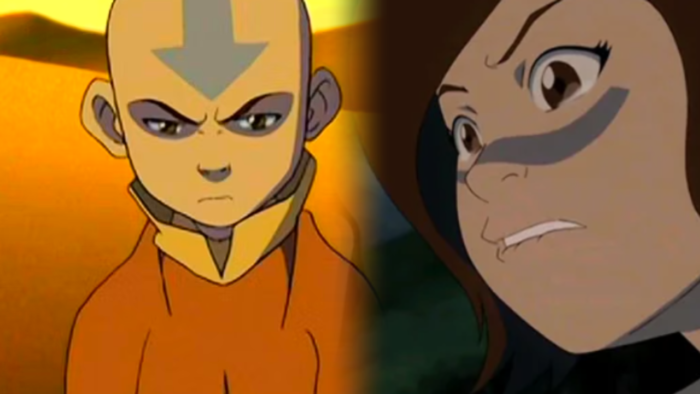
Ty Lee has always felt different from nearly every other Fire Nation character, and that difference begins visually. While most Fire Nation citizens are designed with sharper features, darker tones, and the gold or amber eyes often associated with their nation, Ty Lee immediately stands apart. Her gray eyes are one of the most commonly cited details in this theory, as they resemble traits more commonly linked to Air Nomads than traditional Fire Nation lineage. In a world where character design often subtly reflects heritage, fans have long wondered if Ty Lee’s appearance was intentionally crafted to suggest a more complicated ancestry. While eye color alone is hardly definitive proof, Avatar has always paid close attention to visual symbolism, and Ty Lee’s softer features and lighter presentation create enough distinction to raise questions.
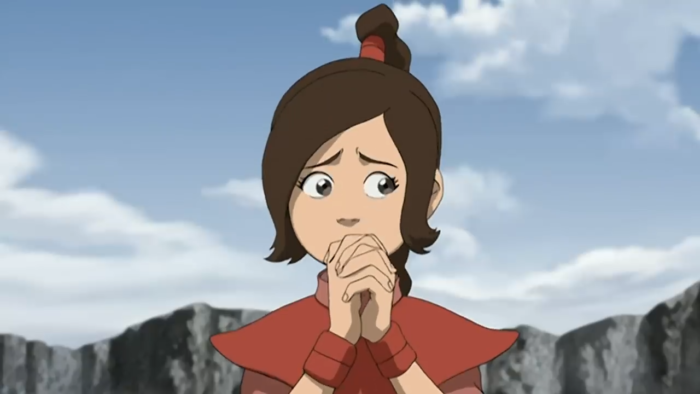
But physical appearance is only one part of why this theory continues to hold weight. Ty Lee’s fighting style may be the strongest clue of all. Unlike most Fire Nation combatants, who rely on aggressive offense, direct confrontation, and overwhelming power, Ty Lee fights with speed, evasion, fluidity, and redirection. She doesn’t overpower opponents—she dances around them. Her acrobatic movements, graceful dodges, and ability to avoid force rather than meet it head-on feel remarkably similar to the defensive philosophy behind airbending itself. Airbending has always been rooted in mobility, avoidance, and freedom of movement, and Ty Lee’s combat mirrors these principles almost perfectly despite her being a non-bender. In many ways, she fights like someone unconsciously carrying remnants of Air Nomad philosophy, as though those ideals survived through generations even after bending itself was lost.
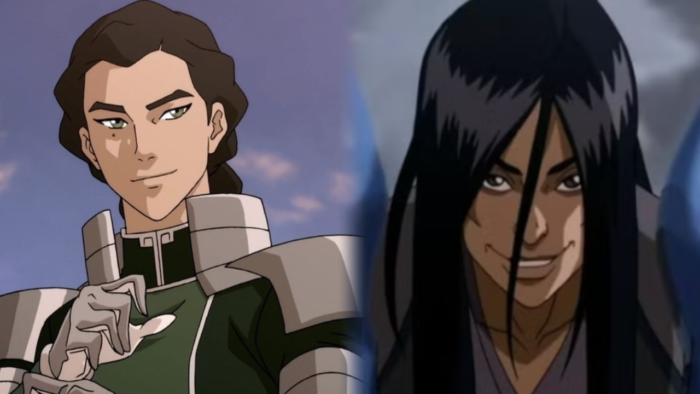
This naturally raises a larger question about the Air Nomad genocide itself. While Fire Lord Sozin’s attack was devastating and nearly wiped out an entire civilization, many fans argue that total extinction may have been nearly impossible. The world of Avatar is vast, and while the temples were destroyed and the Air Nomads were hunted relentlessly, it’s possible that some survivors escaped, hid among other nations, or had descendants who eventually lost their bending abilities but retained certain physical or cultural traits. If this happened, Ty Lee’s family line could represent one of those hidden remnants. This theory gained even more traction after The Legend of Korra introduced the idea that airbending could suddenly emerge in individuals with no known Air Nomad upbringing following Harmonic Convergence, suggesting dormant Air Nomad ancestry may have remained scattered throughout the world for generations.
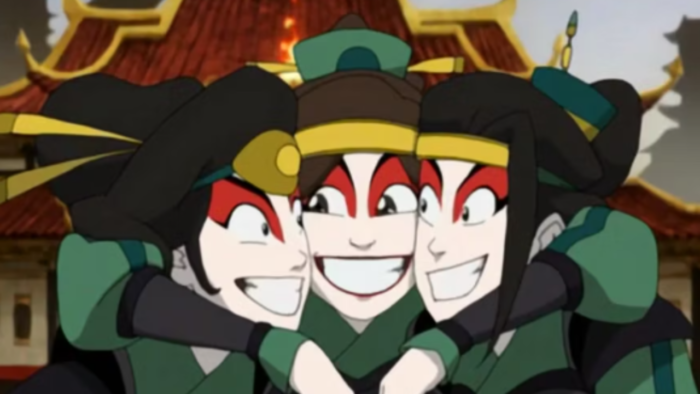
Ty Lee’s personality also feels strangely disconnected from the Fire Nation’s militaristic culture. She is one of the most freedom-oriented characters in the series, valuing individuality, optimism, and emotional openness in ways that sharply contrast the rigid, hierarchical society she was born into. Her own backstory reinforces this. Ty Lee ran away to join the circus largely because she feared losing her identity among her many identical sisters, choosing a path of self-expression and independence over conformity. That desire for freedom feels deeply aligned with Air Nomad spiritual values, which emphasized detachment from worldly pressure and the pursuit of personal enlightenment. Even when Ty Lee initially aligns herself with Azula, her eventual betrayal demonstrates where her true values lie. In one of the series’ most satisfying character moments, Ty Lee literally turns against authoritarian control to protect someone she cares about, symbolically rejecting the oppressive structure she had been serving.
Her eventual choice to join the Kyoshi Warriors rather than fully reintegrate into traditional Fire Nation society adds another subtle layer to the theory. While the Kyoshi Warriors are not Air Nomads, they represent discipline, balance, and personal agency rather than conquest. Ty Lee’s decision suggests that she was always seeking belonging outside the identity imposed on her by birth. If she truly does carry Air Nomad ancestry, this narrative becomes even more poetic, as her life would reflect a gradual return to values her bloodline may have once embodied.