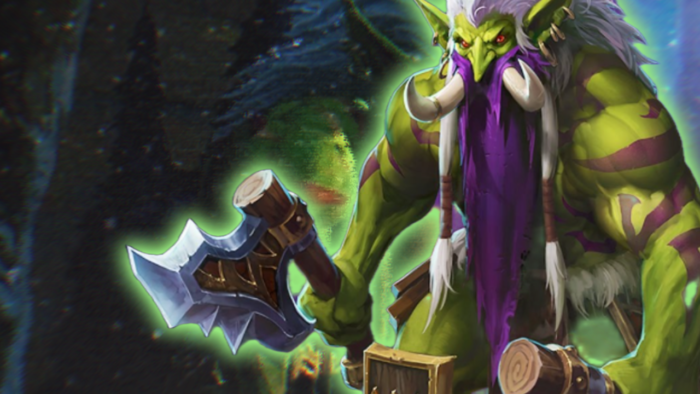
Zul’jin did not rise from a peaceful world. He was born into a culture that had already been fighting for survival for generations. By the time he entered adulthood, the Amani trolls were no longer the dominant power of northern Lordaeron. They were a displaced people, pushed into the forests and hills by enemies who now occupied what they considered sacred land. Understanding Zul’jin’s early life means understanding that he inherited a war that had begun long before he was born.
Growing Up in the Shadow of Quel’Thalas
The Amani once ruled vast territories across the northern Eastern Kingdoms. That changed when the high elves founded Quel’Thalas on land the trolls considered holy. The elves reshaped the forests with arcane magic and erected enchanted runestones that weakened troll advances. What followed was not a single war but centuries of conflict. Troll armies repeatedly attempted to reclaim their territory, only to be driven back by elven magic and, later, human allies.
By the time Zul’jin was born, these defeats were not distant history. They were lived reality. The Amani did not see the elves as neighbors. They saw them as occupiers. The forests they walked through were fragments of a homeland they believed had been stolen.
This environment shaped Zul’jin from childhood. He did not grow up dreaming of conquest. He grew up hearing stories about land that once belonged to his people and the battles fought trying to reclaim it.
A Culture Built Around Strength and Survival
Forest troll society valued resilience, physical strength, and loyalty to the tribe. Leadership was not inherited through noble bloodlines but earned through dominance and proven ability. A chief who could not defend the tribe did not remain chief for long.
Young trolls were raised to hunt, fight, and survive in difficult terrain. Warfare was not ceremonial. It relied on ambush tactics, knowledge of the land, and overwhelming brutality in close combat. Zul’jin proved well suited to this environment. He built a reputation as both a fierce warrior and a capable tactician, earning respect through results rather than lineage.
Over time, he rose through the ranks and helped unite Amani factions that had fractured over generations of defeat. By adulthood, he had become war chief of the Amani.

The Weight of Ancient Defeat
Zul’jin’s generation carried the memory of the Troll Wars, a devastating conflict thousands of years earlier in which the Amani nearly destroyed Quel’Thalas. The tide turned when the elves allied with the human kingdom of Arathor. Human magi learned arcane magic from the elves and used it to shatter troll armies, ending any realistic hope of reclaiming the region through sheer force.
This alliance reshaped the balance of power in the north. To the trolls, it proved that younger races would unite when troll strength threatened their dominance. The lesson passed down through generations was clear: survival required unity, strength, and patience.
Zul’jin inherited not just a war, but a memory that framed that war as unfinished.
Opportunity in the Orcish Invasion
When the orcs invaded Azeroth during the First and Second Wars, Zul’jin recognized something no troll leader had seen in centuries: an opening. The orcish Horde was not interested in preserving the political balance of Lordaeron. It was tearing it apart.
During the Second War, Zul’jin allied with the Old Horde. The partnership was practical rather than ideological. The orcs sought conquest, while Zul’jin sought the chance to weaken the elves and reclaim Amani lands.
Amani forces proved effective in guerrilla warfare. They launched raids on supply routes, ambushed patrols, and destabilized border defenses. Zul’jin’s fighters knew the terrain and used it to their advantage. For the first time in generations, it seemed possible that the Amani might reverse their decline.
Capture and Torture
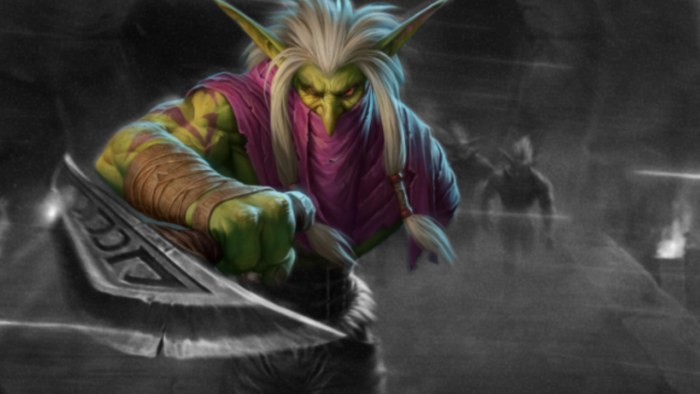
Near the end of the war, Zul’jin was captured by high elven forces while operating near Quel’Thalas. He was imprisoned and interrogated in an attempt to break Amani resistance. Instead, he endured torture without surrendering information or pledging submission.
Escape and the Birth of a Legend
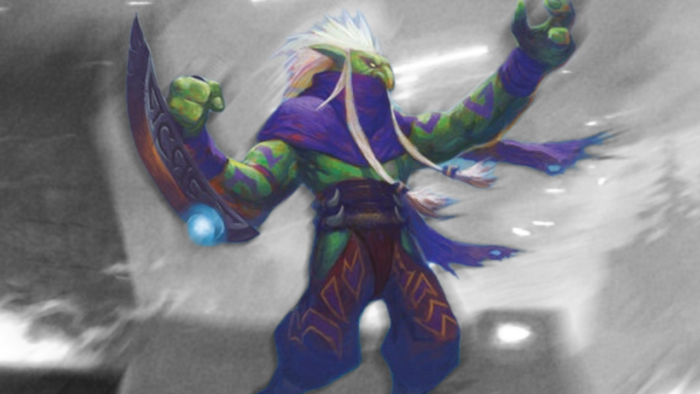
Zul’jin escaped imprisonment by severing his own arm to free himself from his restraints. He fled into the wilderness, wounded but alive, and eventually returned to his people.
The act transformed him. Among the Amani, survival through such sacrifice symbolized absolute defiance. Zul’jin had chosen mutilation over submission. Rather than weakening his authority, the loss of his arm reinforced it. He became a leader who embodied endurance and refusal to yield.
The Collapse of the Alliance
As the Horde’s campaign faltered and its forces retreated, Zul’jin expected continued support in the fight against Quel’Thalas. Instead, the orcs withdrew to address their own survival. The Amani were left alone once more.
To Zul’jin, this confirmed a lesson history had taught repeatedly: outsiders could be useful, but they would never fight for troll survival beyond their own needs.
The alliance had been an opportunity, not a partnership.
A War Chief Without Allies
In the aftermath of the Second War, Zul’jin withdrew with his people into remaining Amani territories. The elves still held Quel’Thalas. Humans continued to defend elven borders. The world moved forward, but the Amani war remained unresolved.
Zul’jin emerged from this period hardened by loss, torture, and abandonment, but also strengthened by survival. He had seen an opportunity fail, endured captivity, and returned stronger in the eyes of his people.
By the time the modern Horde would rise under Thrall, Zul’jin was no longer a rising war chief. He was a living symbol of resistance, leading a people who believed their war had never truly ended.