
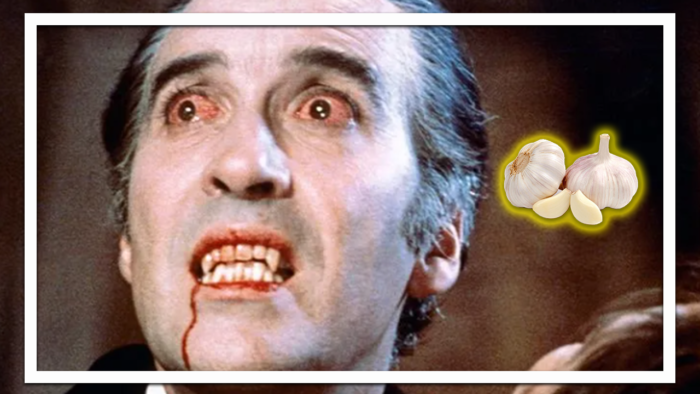
The idea that vampires fear garlic has been around for centuries. People see it in movies, books, and even jokes, but very few know where this strange belief actually began. While vampires themselves are only legends, the garlic myth has deep roots in real history, old medicine, and fear of the unknown. So how did a simple kitchen ingredient become a vampire’s worst enemy? The answer is a mix of science, superstition, and storytelling that spread across the world.
Garlic Was Once Seen as a Powerful Medicine
Long before anyone talked about vampires, people believed garlic could protect them from sickness. In many cultures, garlic was used to fight infections, heal wounds, and even keep away bad air. Because it had such a strong smell and real health benefits, people thought it must have special powers. Over time, garlic wasn’t just food — it became a symbol of protection. When fears of evil spirits or monsters appeared, garlic became the first thing people reached for.
Old Myths Blamed Diseases on “Vampire Attacks”
Hundreds of years ago, people didn’t understand how sickness spread. When something unexplained happened, like a deadly illness in a small village, they tried to make sense of it the only way they could. In some Eastern European communities, strange deaths or sickness were blamed on creatures that “drank life” from the living. These stories helped shape the modern vampire myth. Since garlic was already believed to protect people from disease, it became the obvious tool to fight these imaginary threats.
Garlic’s Strong Smell Became a Symbol of Life
Another reason vampires hate garlic comes from symbolism. Garlic grows from the earth, has a strong scent, and is full of flavor. It represents life, health, and energy. Vampires, on the other hand, represent death and decay. The idea of something bright, strong, and full of life repelling a creature of darkness fit perfectly into old folktales. Even if the science wasn’t understood, the idea made emotional sense.
Some Myths Linked Vampires to Real Medical Conditions
There are theories that old vampire legends came from people with certain medical problems. For example, some conditions made people extremely sensitive to light or gave them pale skin. Other conditions caused strong reactions to certain plants. Garlic, with its powerful chemicals and strong odor, could make these symptoms worse. Villagers didn’t know the real reasons, so they created stories about creatures who couldn’t stand the smell of garlic.
Stories Spread the Myth Across the World
The final reason the garlic myth survives is simple: stories. Old legends were told from village to village, passed down through families, and eventually written into books. When vampire novels and movies became popular, garlic became one of the signature weaknesses. It was easy to understand, easy to show on screen, and added charm to the myth. Over time, garlic became as famous in vampire lore as wooden stakes or bats.
Why This Myth Still Matters Today
Even though people don’t really believe vampires fear garlic, the myth continues because it’s fun, memorable, and part of our shared storytelling tradition. It reminds us how humans once explained the unexplainable with creativity and fear. It also shows how simple objects can take on powerful meaning when people are trying to protect themselves from danger.
Final Thoughts
The belief that vampires hate garlic didn’t come from one moment or one story. It came from a long history of medicine, superstition, fear, and imagination. Garlic was believed to protect the living, so it naturally became the enemy of the undead. The myth lasted because it was simple, symbolic, and unforgettable. Even today, it remains one of the strongest images in vampire folklore — a single clove of garlic keeping darkness away.