There was a time when Saturday mornings weren’t just another day on the calendar. They were an event.
You woke up early without an alarm. You poured a bowl of cereal. You claimed your spot in front of the TV and didn’t move for hours. From the mid-1990s through the early 2000s, Kids WB turned that simple routine into a shared ritual, one that made waking up early feel like a privilege instead of a chore.
What made Kids WB special wasn’t just nostalgia or timing. It was the feeling that the block trusted its audience, offering smarter humor, bolder animation, and stories that felt bigger than typical kids programming. That trust didn’t happen by accident—it was the result of a network being built with purpose from day one.
Building a Network From the Ground Up
In the mid-1990s, Warner Bros. launched a brand-new broadcast network called The WB. Unlike older networks, it didn’t have decades of built-in loyalty, which meant it needed something powerful to define its identity quickly.
By this point, Fox had already shown that children’s programming wasn’t filler. It could shape a network’s brand, drive merchandise, and create lifelong viewers. Warner Bros. took that lesson seriously, officially launching Kids WB on September 9, 1995, as both a Saturday morning and weekday afternoon block.
Executives made no secret of their ambition. Kids WB wasn’t meant to coexist quietly with other networks—it was meant to challenge them. Warner Bros. backed that confidence with its animation legacy, Spielberg partnerships, and full access to DC Comics. More importantly, it treated kids programming as a creative priority rather than a regulatory obligation.
Early ratings were modest, but the network wasn’t chasing instant dominance. It was laying a foundation, one that would soon be defined not by superheroes or anime, but by a specific kind of humor that set the tone for everything that followed.
Comedy, Chaos, and the Spielberg Era
Kids WB’s earliest identity was rooted in comedy, particularly Warner Bros. Animation projects produced alongside Steven Spielberg. These shows didn’t just entertain—they challenged the idea that kids’ cartoons had to be simple.
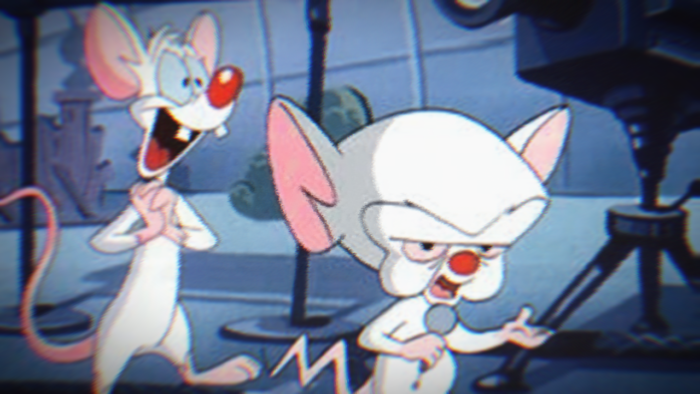
Animaniacs became the face of that philosophy. Packed with slapstick, satire, and layered jokes, it rewarded attentive viewers and quietly invited older audiences along for the ride. Its success wasn’t just cultural but critical, earning multiple Emmy Awards and cementing Kids WB as a legitimate creative force.
Pinky and the Brain expanded on that success with a darker, drier sense of humor, while Freakazoid leaned fully into absurdity. Even shows that struggled in ratings developed loyal followings, proving Kids WB was willing to experiment, even when results weren’t guaranteed.
This era established Kids WB as playful, strange, and smart—but as the audience grew older and tastes shifted, the block was about to evolve in a much bigger way.
Superheroes Take Over
By the late 1990s, Kids WB began pivoting toward action-driven storytelling, and that decision reshaped the entire block.
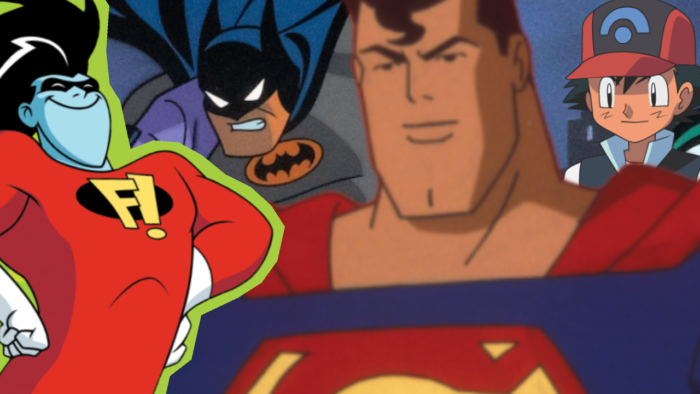
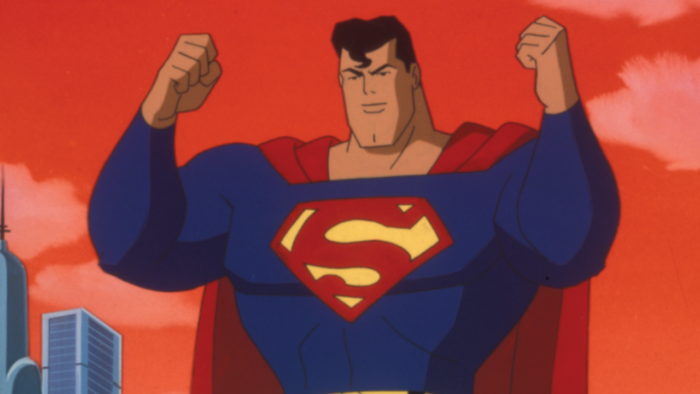
Superman: The Animated Series arrived in 1996 with cinematic ambition, followed closely by Batman’s move to Kids WB in 1997. Together, they formed a powerhouse hour of programming that treated superhero stories with emotional weight and narrative depth rarely seen in kids television.
Batman Beyond pushed those ideas even further, asking what legacy meant and how heroes evolve over time. Its futuristic setting, serialized storytelling, and respect for past continuity rewarded long-time viewers while welcoming new ones.
As Kids WB leaned deeper into action and drama, the tone of the block matured alongside its audience—setting the stage for a cultural shift that would eclipse even superheroes.
Pokémon and the Anime Revolution
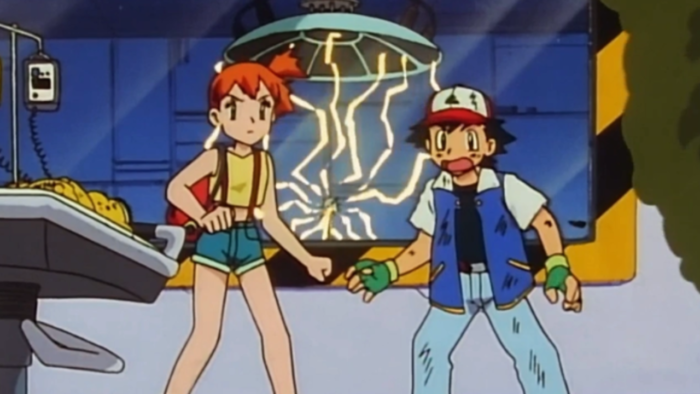
In early 1999, Kids WB introduced Pokémon, and everything changed.
Already gaining traction through video games, Pokémon exploded once it landed in a national broadcast time slot. Within months, it became the number-one children’s show in the United States, single-handedly pushing Kids WB to the top of Saturday morning ratings.
More than a hit, Pokémon was a turning point. It proved anime could succeed in mainstream American television, not as a novelty, but as a foundation. Kids WB suddenly wasn’t just airing cartoons—it was introducing an entire generation to Japanese animation.
The network chased that momentum with mixed results. Card Captors faltered due to heavy edits, but Yu-Gi-Oh! succeeded by embracing darker themes and strategic gameplay. By the early 2000s, Kids WB had become the central gateway for anime fans growing up in the U.S., which allowed the block to broaden its identity even further.
A Lineup With Something for Everyone
While anime and superheroes dominated attention, Kids WB quietly built one of the most diverse lineups in children’s television.
Jackie Chan Adventures blended action and comedy while honoring its star’s real-world persona. Static Shock tackled real social issues without losing its sense of fun, proving kids shows could be both entertaining and meaningful. X-Men: Evolution reimagined familiar characters for a younger audience, while Mucha Lucha introduced entirely new animation styles and cultural influences.
By 2002, Kids WB wasn’t defined by one genre or audience. It was a mix of tones, styles, and ideas, all sharing a common belief that kids deserved better storytelling—a belief that shaped both its greatest strengths and its most visible flaws.
What Kids WB Got Right—and Where It Struggled
Kids WB thrived because it respected its audience and adapted quickly. It shifted from comedy to action, embraced anime ahead of competitors, and created a unified identity through mascots, bumpers, and studio-lot aesthetics that made the block feel like its own world.
But not every experiment worked. Executive interference hurt established shows, some series failed to connect, and mishandled anime adaptations damaged trust with emerging fan communities. Over time, the lineup skewed heavily toward action, narrowing the diversity that once defined the block.
Even with those missteps, Kids WB’s impact was undeniable—and by the early 2000s, it stood at the peak of broadcast children’s television, leaving behind a legacy that would outlast the block itself.
The Legacy of Kids WB
By the time Kids WB reached its height, it had already changed children’s television forever.
It revitalized broadcast animation, launched enduring franchises, introduced anime to the mainstream, and proved that kids would embrace complex stories when given the chance. Its shows still resonate today, frequently revived or rediscovered because they were built with care, not algorithms.
Kids WB existed during a rare moment when television felt communal and intentional. Saturday mornings meant anticipation, routine, and shared experience—not endless scrolling or fragmented attention.
That era has passed, but its influence hasn’t. Kids WB is remembered not as a logo or a time slot, but as a moment when television trusted kids—and in doing so, created something timeless.