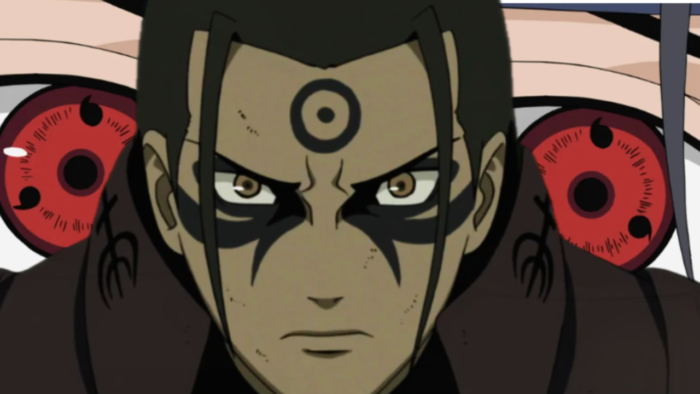
The debate around Hashirama Senju versus Itachi Uchiha usually centers on one idea: whether Itachi’s Tsukuyomi is enough to overcome Hashirama’s overwhelming strength. On paper, Tsukuyomi is one of the most dangerous techniques in the series, capable of ending fights instantly. Hashirama, however, exists at a level where most conventional win conditions no longer apply. To understand the matchup, it helps to look at how their abilities actually function rather than treating them as abstract power labels.
Hashirama’s Baseline Advantage
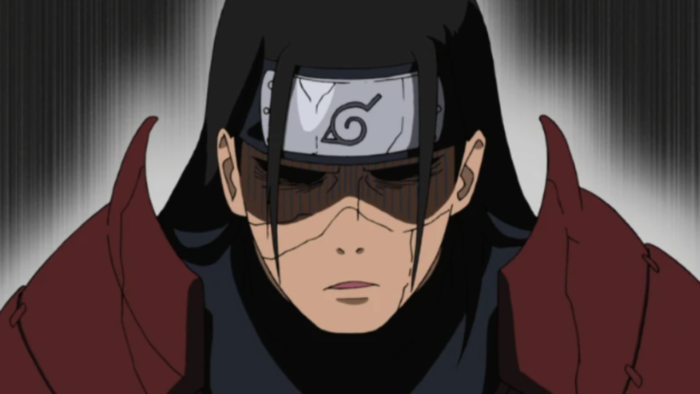
Hashirama’s strength is defined by scale and endurance. His chakra reserves are massive even by Kage standards, and his natural regeneration allows him to recover from injuries without hand signs or medical support. He fought Madara Uchiha while Madara was using the Nine-Tails and still won, which establishes a clear baseline for what Hashirama can handle in prolonged, high-level combat.
Itachi’s strengths are different. He is built around efficiency, timing, and technique selection. His Mangekyō abilities allow him to bypass durability rather than overwhelm it. This works exceptionally well against most opponents, but it becomes less reliable against someone who can afford to absorb damage, test tactics, and continue fighting without fatigue.
How Tsukuyomi Actually Works in This Matchup
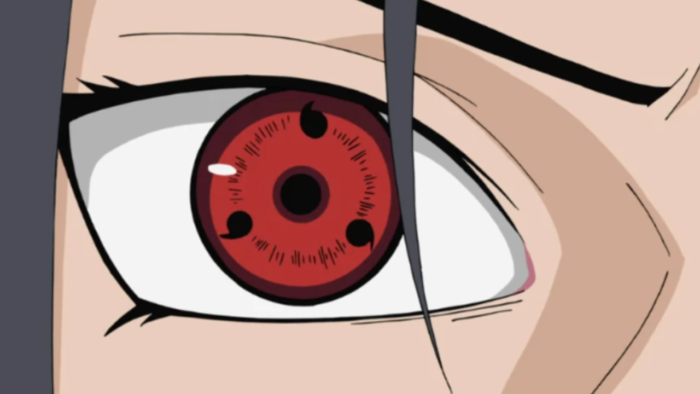
Tsukuyomi requires direct eye contact to activate. Against opponents who rely on visual tracking, this makes it extremely difficult to avoid. Hashirama, however, does not need to fight that way. In Sage Mode, he can sense chakra and movement without looking directly at his opponent. This alone reduces the likelihood of Tsukuyomi landing cleanly.
Even if eye contact becomes unavoidable, Hashirama’s combat style gives him room to mitigate risk. He frequently uses Wood Clones, which are durable enough to engage in real combat rather than acting as simple distractions. If Tsukuyomi is used on a clone, the technique is wasted, and the chakra cost still applies to Itachi. Over time, this creates an imbalance, as Itachi cannot afford repeated high-cost attempts.
Chakra Control and Resistance to Genjutsu
Tsukuyomi is not broken by willpower alone, but chakra control plays a major role in resisting and recovering from genjutsu. Hashirama’s chakra control is exceptional, further enhanced by Sage Mode’s balance between physical and spiritual energy. Combined with his regeneration, this gives him a better chance than most characters to shorten the effects or recover quickly if Tsukuyomi lands.
This does not mean Tsukuyomi would be ineffective, but it does mean it must end the fight immediately to matter. Hashirama’s ability to continue fighting after severe damage makes that outcome uncertain.
Stamina and the Cost of Mangekyō Techniques
A key factor in this matchup is how long each fighter can maintain their strongest abilities. Itachi’s Mangekyō techniques place heavy strain on his body. Tsukuyomi, Amaterasu, and Susanoo all drain him rapidly, and prolonged use accelerates physical decline.
Hashirama operates in the opposite way. His techniques are designed for extended battles. He can control large areas, suppress opponents over time, and continue fighting without a noticeable drop in effectiveness. If the fight extends beyond Itachi’s initial burst of offense, the balance shifts further toward Hashirama.
Susanoo Versus Hashirama’s Wood Techniques
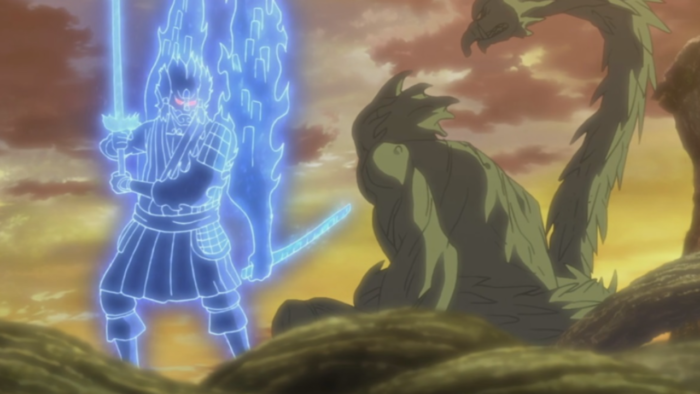
Itachi’s Susanoo is among the most refined in the series, especially due to the Yata Mirror and Totsuka Blade. These tools make it extremely dangerous in close to mid-range combat. However, Hashirama has repeatedly restrained tailed beasts and countered Susanoo-level threats using large-scale wood techniques enhanced by Sage Mode.
While Susanoo provides strong defense, maintaining it drains Itachi quickly. Hashirama’s ability to apply constant pressure with multiple constructs makes it difficult for Itachi to remain on the offensive without exhausting himself.
Conclusion
This matchup is often framed as a question of whether Tsukuyomi can bypass raw power. In practice, the answer depends on timing and context. Tsukuyomi is effective when it can end a fight instantly. Hashirama’s sensing abilities, clones, chakra control, and stamina make that outcome difficult to guarantee.
Itachi remains one of the most dangerous shinobi in the series, but Hashirama’s toolkit is built to survive, adapt, and overwhelm over time. In a direct confrontation, the longer the fight continues, the more it favors Hashirama.
Result: Hashirama Senju wins, not because Itachi lacks lethal options, but because Hashirama operates at a level where those options are unreliable unless executed perfectly.