
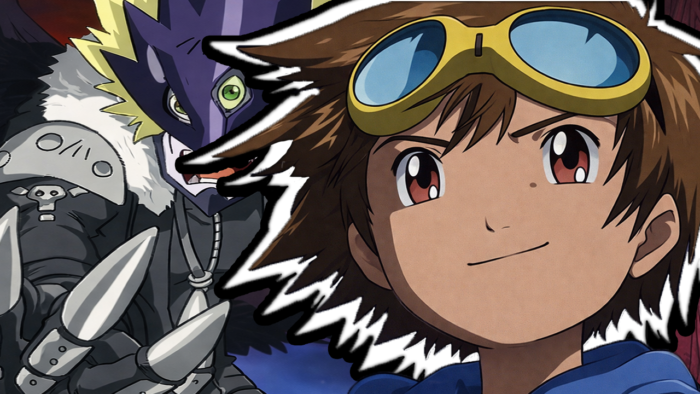
Across more than twenty-five years of Digimon history, fans have debated endlessly about which season stands at the top. Digimon Adventure has nostalgia on its side. Adventure 02 introduced fan-favorite evolutions. Frontier pushed the concept in new directions. Savers brought a shift in tone. But when longtime fans discuss the most emotionally powerful and thematically ambitious season in the franchise, one title consistently rises above the rest: Digimon Tamers.
What makes this especially impressive is that Tamers was never meant to be a comfortable follow-up. It didn’t chase the tone of Adventure. It didn’t depend on familiar characters. It intentionally broke away from established Digimon traditions. In doing so, it became something deeper, more human, and far more emotionally resonant than its predecessors.
It is the season that grew with its audience, trusted its viewers, and redefined what children’s anime could be. It didn’t lean on nostalgia—it earned its legacy.
A Season That Respected Its Audience
One of the core reasons fans still adore Digimon Tamers is its refusal to talk down to viewers. Early-2000s children’s anime tended to follow predictable patterns: upbeat pacing, simple morals, and self-contained emotional arcs. Tamers abandoned that formula, choosing instead quiet moments, slower pacing, and complex themes that demanded attention and empathy.
The series explored issues like loneliness, pressure, guilt, emotional responsibility, and the fear of losing someone important. These themes were presented without exaggeration or oversimplification, allowing young viewers to experience them in an honest way. Many fans say Tamers was the first show that made them recognize feelings they didn’t yet have the vocabulary for.
While Digimon Adventure encouraged courage and unity, Tamers examined vulnerability, doubt, and the cost of growing up. That shift in tone left a lasting impression and is one of the biggest reasons the season has such a devoted following.
Character Arcs That Felt Genuinely Human
Unlike Adventure, where characters began as embodiments of virtues like Courage or Friendship, Tamers introduced cast members who felt like real kids with real emotional lives.

Takato Matsuki
Takato remains one of the franchise’s most relatable protagonists. He wasn’t confident or chosen by destiny—he was a sensitive, artistic kid who was often overwhelmed by the world around him. His growth felt grounded and personal, not symbolic, and fans connected deeply with his vulnerability.
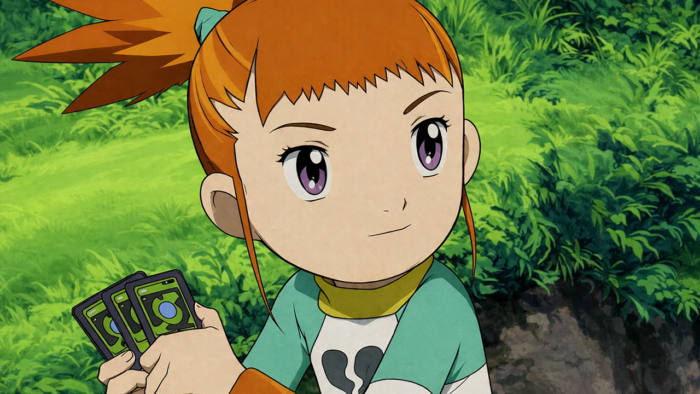
Rika Nonaka
Rika’s complexity was rare for its time. She carried emotional wounds shaped by pressure, misunderstanding, and complicated family dynamics. Her transformation from guarded and isolated to open and trusting is still considered one of Digimon’s strongest character journeys.
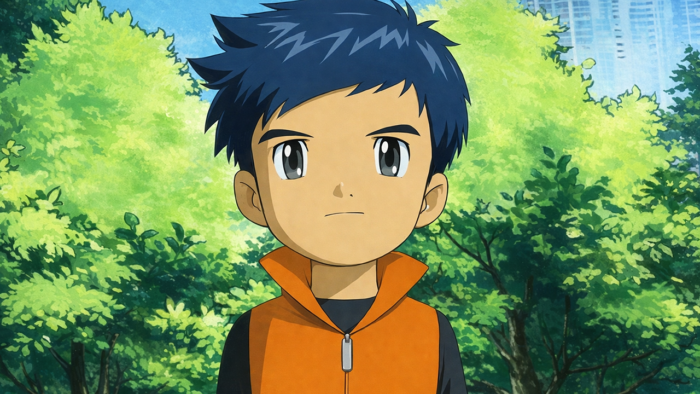
Henry Wong
Henry brought a thoughtful, moral perspective that many fans appreciated. As someone who questioned violence and constantly weighed the consequences of battle, he introduced a maturity that helped shape the show’s tone.
Together, the trio didn’t feel like archetypes—they felt like real children navigating extraordinary circumstances, which made their journeys more impactful than the typical hero arcs seen in earlier seasons.
Guilmon and the Power of Creation
One of Tamers’ most unique elements is that Guilmon wasn’t found or assigned—he was created from Takato’s imagination. That idea changed the entire nature of their relationship. Guilmon embodied Takato’s emotional state, making their bond feel fragile, unpredictable, and deeply personal.
When Takato struggled, Guilmon reflected that turmoil. When Takato grew more confident and responsible, Guilmon evolved in ways that mirrored that growth. This emotional symmetry made their partnership stand out within the entire franchise.
Guilmon wasn’t just a companion—he was the physical manifestation of Takato’s hopes, fears, and development. That concept alone set Tamers apart from all other Digimon seasons.
A Willingness to Explore Darkness With Purpose
Tamers is often labeled “the dark season,” but that description misses the nuance behind its approach. The show didn’t use darkness for shock value—it introduced it naturally, through emotional stakes and consequences that felt earned.
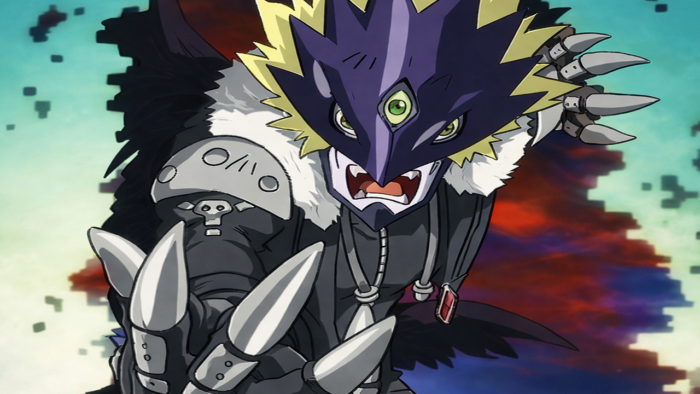
The Beelzemon Arc
Beelzemon’s storyline remains one of Digimon’s most memorable because it treated villainy as the result of pain and desperation rather than simple malice. His actions had weight, and the fallout affected the characters beyond a single episode. Fans still cite this arc as one of the most mature explorations of guilt and redemption in the franchise.
The D-Reaper
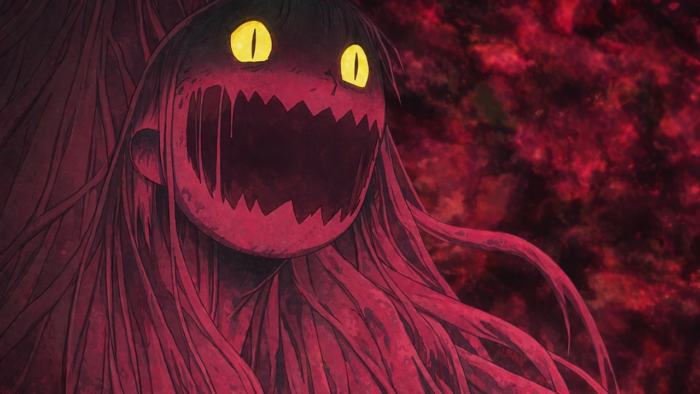
The D-Reaper wasn’t a typical antagonist. It represented fear, detachment, and the loss of human emotion. Its cold logic and unsettling presence gave the final arc an intensity rarely seen in children’s anime at the time. The threat felt conceptual as much as physical, and many fans remember how surprisingly real and uncomfortable it felt.
Tamers delivered darkness carefully and intentionally, pushing narrative boundaries without undermining the heart of the franchise.
A Finale That Fans Still Feel Decades Later
While many Digimon seasons end with upbeat optimism, Tamers concluded with emotional honesty. The children had to separate from their Digimon partners not out of celebration but necessity. It wasn’t a triumphant moment, and the show didn’t pretend it was. It portrayed the sadness, confusion, and acceptance that come when something meaningful ends before anyone is ready.
The finale resonated because it captured a universal experience: the difficulty of saying goodbye to a part of life that shaped you. It acknowledged that healing takes time, that change is sometimes painful, and that memories can both comfort and haunt. Fans who watched it as children often revisit that ending as adults with a deeper understanding of what it meant.
Tamers didn’t offer simple closure. It offered truth.
Why Digimon Tamers Still Outshines Adventure and Every Season After It
Digimon Adventure built the foundation. Frontier experimented with identity. Savers reinvented tone. Ghost Game explored style. But Tamers stands apart because its story wasn’t just about Digimon—it was about humanity. It dealt with grief, fear, personal growth, emotional responsibility, and the relationships that change us.
Digimon Tamers succeeded because it:
- Respected its audience
- Explored emotional depth rarely seen in children’s anime
- Took creative risks that paid off
- Delivered psychological and thematic complexity
- Allowed its characters to grow naturally
- Refused easy answers
It appealed to kids, teens, and adults alike, and continues to resonate with viewers long after they’ve grown up.
Tamers didn’t aim to be another fun adventure.
It aimed to understand its audience.
And that’s why, decades later, it remains the most beloved and impactful season in the entire Digimon franchise.