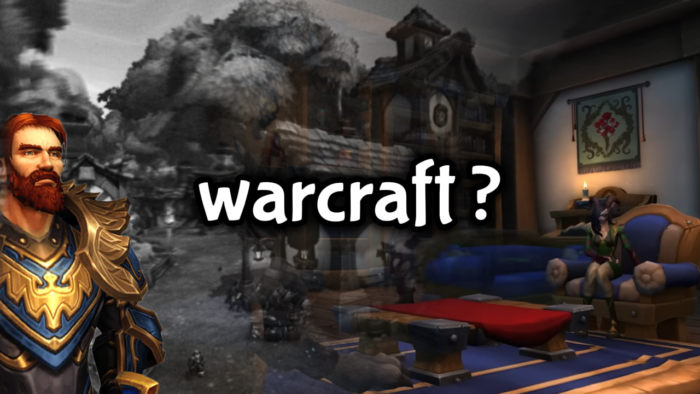

Classic World of Warcraft is often described as one of the most immersive game worlds ever created. It is not built around fast rewards or constant stimulation. Instead, it is a slow, deliberate experience centered on exploration, community, and discovery. Players do not simply complete objectives—they move through a living world, meeting strangers, uncovering small stories, and gradually building a connection to Azeroth.
Despite this, many players never experience it.
The reason is not a lack of interest. It is the barrier placed in front of that interest.
The Modern Entry Problem
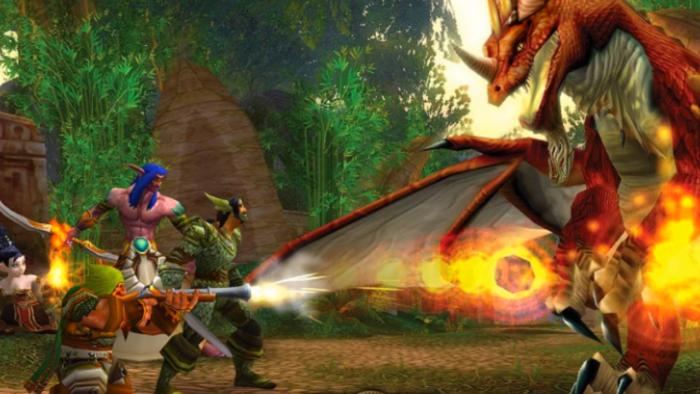
Before a new player can create a character, explore a starting zone, or understand what makes the game special, they are asked to subscribe. This creates a decision point before the experience even begins.
Modern gaming has largely moved away from this model. Most successful online games now follow a different structure. Players enter for free, explore at their own pace, and decide later whether the experience is worth supporting. This approach allows curiosity to grow naturally.
Classic World of Warcraft does the opposite. It requires commitment before discovery.
For many players, that is enough to stop them from trying the game at all. The hesitation is not about rejecting the game itself. It is about being asked to pay for something they have not yet experienced.
Curiosity Without Commitment
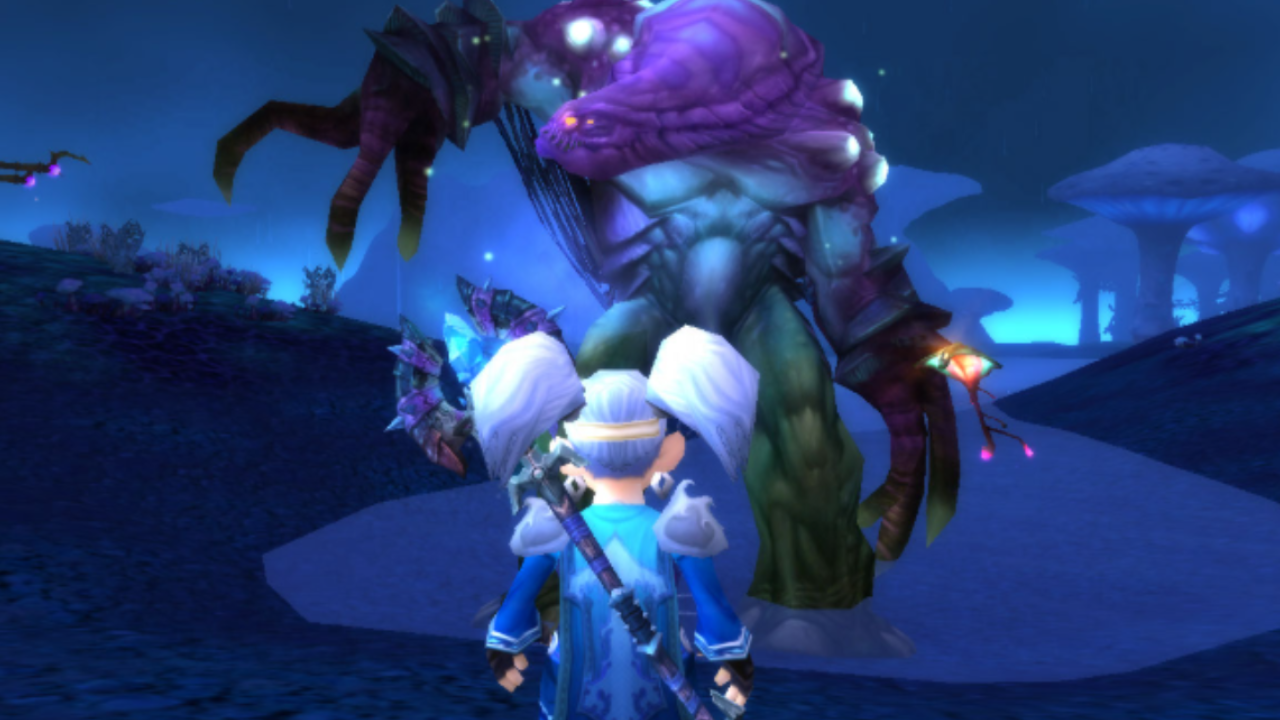
There is no shortage of people who are interested in World of Warcraft. Many have heard about it for years through friends, videos, or online discussions. The world of Azeroth carries a reputation that still draws attention.
However, curiosity is fragile. When that curiosity meets a subscription requirement, it often disappears. The result is a large number of potential players who never take the first step.
When that barrier is removed, the outcome tends to change. Free-access environments consistently show that once players are allowed to enter the world without pressure, they explore more freely. They level, interact with others, and begin to understand what makes the experience unique. Many of them continue playing because they choose to, not because they committed upfront.
Classic WoW is particularly dependent on this kind of gradual engagement. Its appeal is not immediate. It builds over time through small moments—traveling across zones, completing long quest chains, and forming connections with other players. That process does not work as well when it is tied to a monthly cost from the start.

A Better Model for Classic WoW
A more effective approach would be to allow players to experience a meaningful portion of the game before requiring a subscription.
One option would be to make Classic World of Warcraft, particularly the original version, free up to a certain level. Reaching level 40 or 50 would give players enough time to explore multiple zones, learn the game’s systems, and understand its pacing. By that point, the decision to subscribe would no longer feel like a risk. It would feel like a continuation.
Another approach would follow a model similar to other long-running online games, where the base experience is free and additional content is tied to membership. In this structure, Classic serves as the entry point, while expansions and advanced features remain part of the subscription.
Both approaches share the same principle: remove the initial barrier and allow the experience to speak for itself.
The Botting Problem a Free Model Would Create
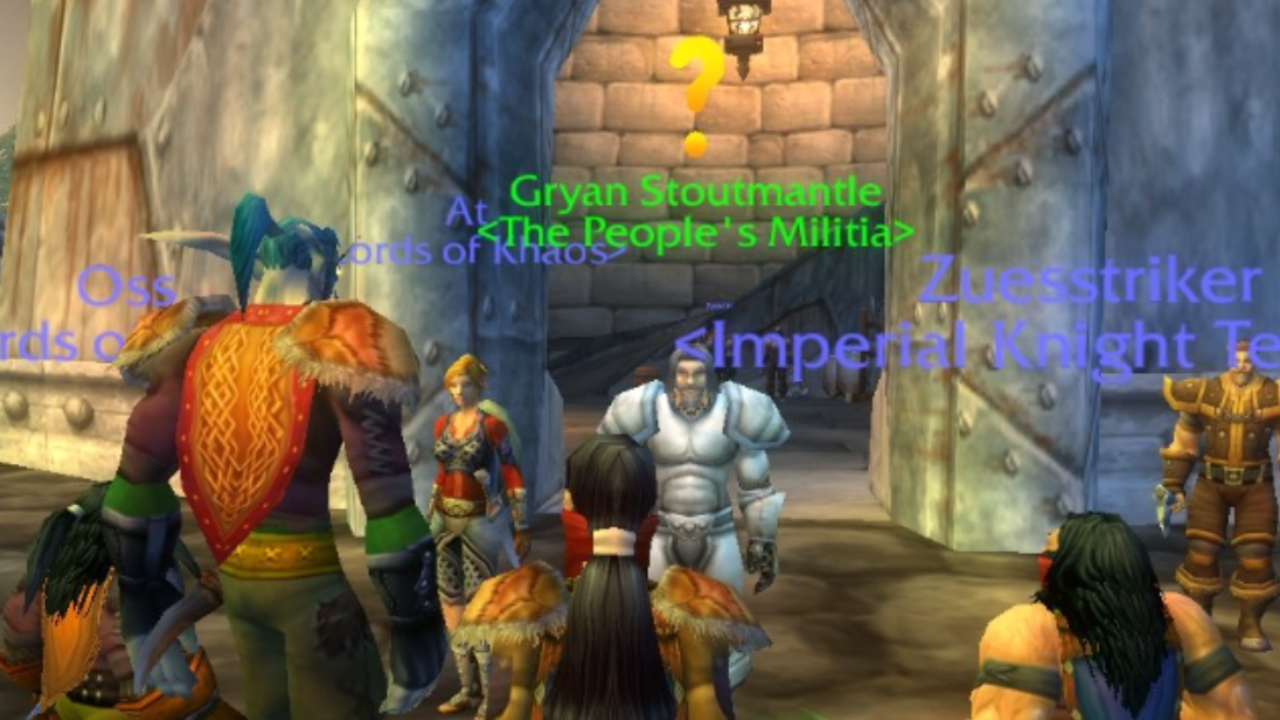
A free-to-play version of Classic WoW would not come without risks. The most immediate and serious concern would be botting.
Botting is already a persistent issue in World of Warcraft. Automated characters gather resources, farm gold, and disrupt the in-game economy. These accounts are often banned, but the current subscription model slows the problem down. Each banned account represents a financial loss, which creates at least some level of deterrence.
Removing the subscription requirement would significantly reduce that barrier.
Without an upfront cost, creating new accounts becomes nearly effortless. Bots could return immediately after being banned, leading to a much higher volume of automated activity. This would likely result in:
- Increased farming of resources such as herbs, ore, and gold
- Greater instability in the in-game economy
- Reduced value of player effort
- More crowded zones filled with non-human activity
In a game like Classic WoW, where the economy and world interactions are central to the experience, this kind of disruption would have a noticeable impact.
Any move toward free access would need to address this issue directly. Stronger account verification, stricter detection systems, or limiting certain features for free accounts could help reduce the problem. Without those safeguards, the benefits of accessibility could come at the cost of game integrity.
Opening the Door to Azeroth
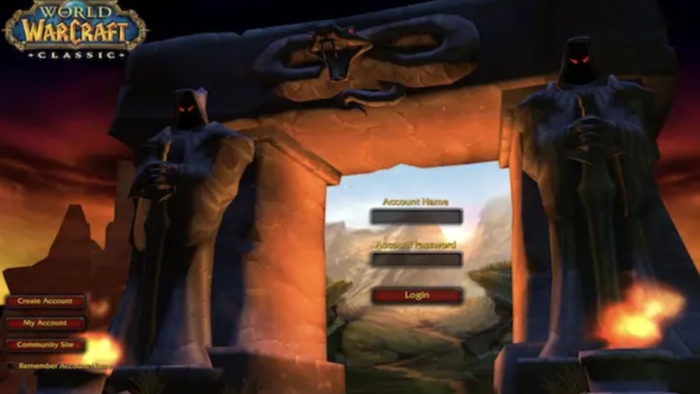
Classic World of Warcraft is not designed to impress players in the first five minutes. Its strength lies in how it unfolds over time. The sense of scale, the pacing, and the social interactions all depend on players being able to engage with the world without pressure.
Placing a subscription at the very beginning interrupts that process. It turns exploration into a purchase decision rather than an experience.
Allowing players to enter Azeroth freely—even in a limited capacity—would shift that dynamic. It would give the world a chance to do what it has always done best: draw players in slowly, and keep them there because they want to stay.