When the war ended in Avatar: The Last Airbender, the story didn’t slow down—it shifted. The world that Aang saved still needed to be rebuilt, and that responsibility didn’t come with a guidebook. It came with hard choices.
Aang wasn’t just restoring balance anymore. He was defining what balance would look like going forward.
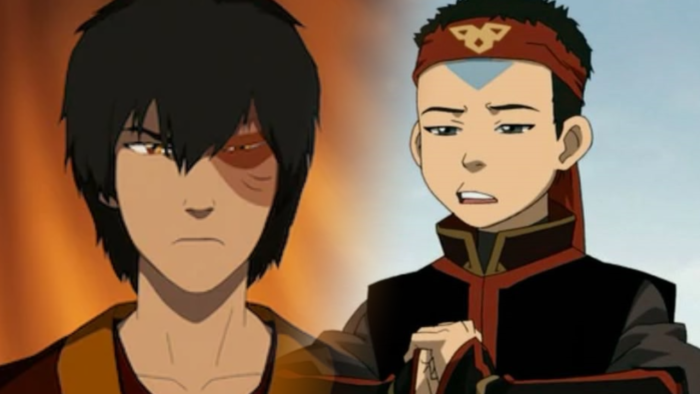
Alongside Zuko, he helped establish the United Republic of Nations and build Republic City, a place designed to move beyond the rigid structure of the Four Nations. It was meant to be something new—a society where benders and non-benders could live together without inherited conflict.
But building a new world doesn’t mean leaving the past behind completely. Some ideas don’t fade. They linger. And in the Avatar universe, few ideas are as unsettling as bloodbending.
The Ability That Never Fit the World Around It
Bloodbending was never treated like a normal skill.
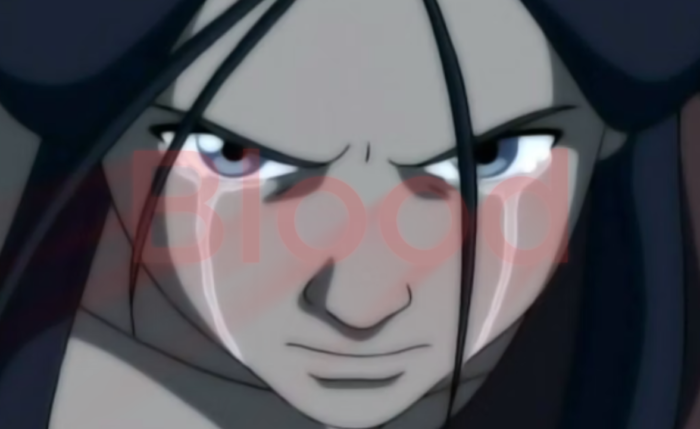
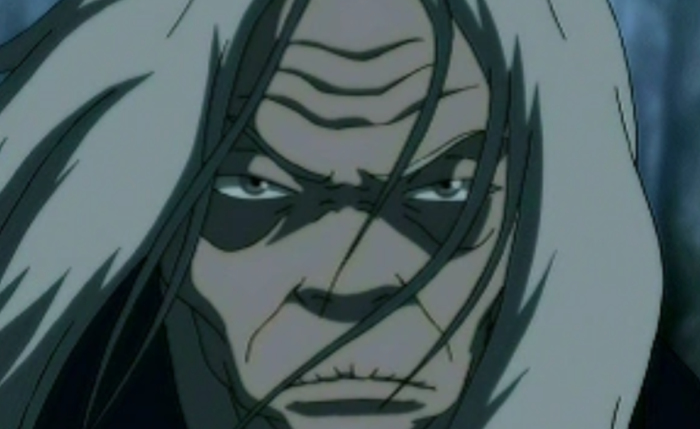
When it first appeared, through Hama, it immediately stood apart from every other form of bending. It wasn’t about shaping the environment or redirecting energy. It was about control—direct control over another person’s body.
That difference matters.
Even at its introduction, the show framed it as something unnatural. It could only be used during a full moon, and even then, it felt wrong. When Katara learned it, she didn’t embrace it as a powerful new technique. She rejected it. Her reaction wasn’t curiosity or excitement—it was disgust.
That moment set the tone for how bloodbending would be treated moving forward.
It wasn’t just dangerous. It crossed a moral line.
Why It Became Illegal in Republic City
As the world transitioned into the era of The Legend of Korra, that line became law.
In Republic City, bloodbending was officially outlawed. This wasn’t a quiet restriction or a gray-area rule. It was a clear statement about what kind of world Aang and Zuko were trying to build.
Katara’s influence played a major role in this. Her experience with Hama showed exactly what bloodbending could do—not just physically, but psychologically. It stripped people of control over their own bodies. It forced them to act against their will.
That kind of power didn’t belong in a society built on balance and coexistence.
And Aang agreed.
His entire philosophy centered on respecting life and preserving freedom. Bloodbending did the opposite. It turned bending into a tool of domination rather than harmony, and that made it incompatible with everything he stood for as the Avatar.
Outlawing it wasn’t just a legal decision. It was a moral one.
The Problem With Banning Something That Powerful
But banning something doesn’t erase it.
That’s the tension at the center of bloodbending’s story.
Even after it was criminalized, the technique didn’t disappear. It survived quietly, carried by individuals who understood it deeply enough to push it further than anyone thought possible.
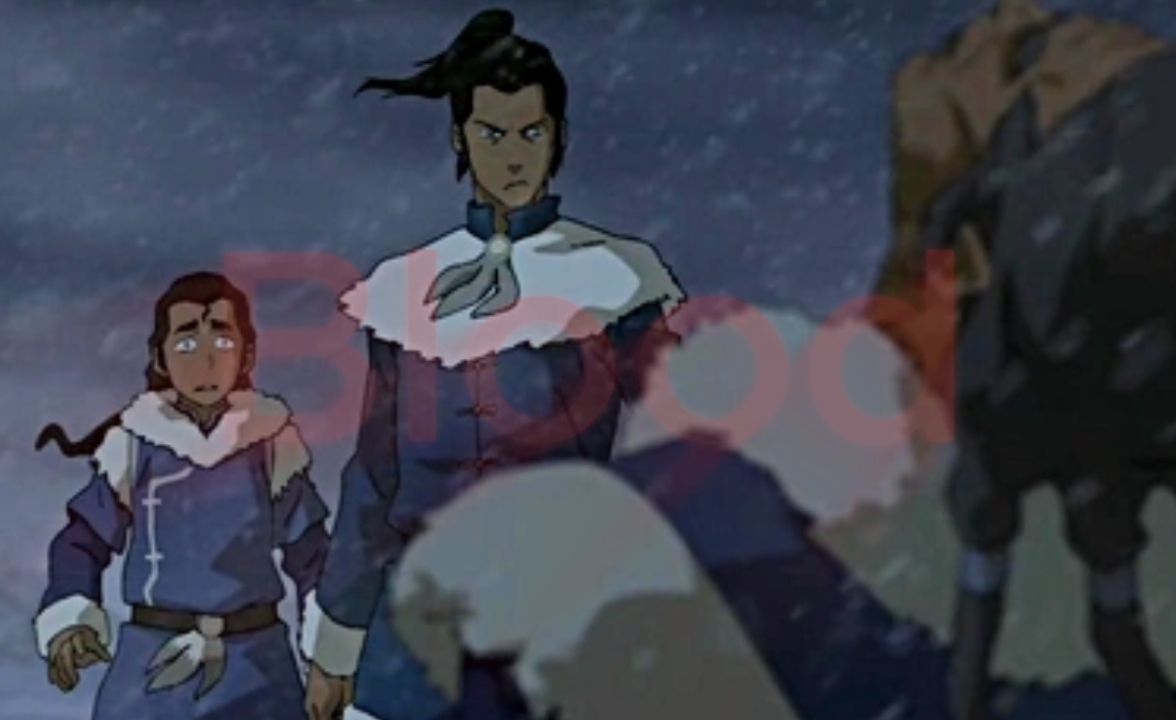
The clearest example of this comes through Yakone.
Yakone didn’t just use bloodbending—he redefined it. He could perform it without a full moon, removing the one natural limitation that kept it in check. That single change made the ability far more dangerous than it had ever been before.
And he didn’t stop there.
He passed that knowledge on to his sons, Tarrlok and Amon, each of whom used it in different ways. Tarrlok hid it behind political authority, using it in secret to maintain control. Amon took it even further, using bloodbending to remove bending itself, turning it into a tool for reshaping society.
By that point, bloodbending wasn’t just a forbidden skill. It had become something adaptable—something that could evolve depending on who was using it.
And that’s what made it so difficult to contain.
What Bloodbending Represents in the Avatar World
Every form of bending in the Avatar universe reflects something deeper than just combat ability. Earthbending reflects stability. Firebending reflects drive and power. Airbending reflects freedom. Waterbending reflects adaptability and flow.
Bloodbending breaks that pattern.
Instead of expressing identity or balance, it overrides it. It removes choice. It replaces a person’s will with someone else’s.
That’s why it stands apart from other advanced techniques. Lightning bending can be deadly, but it doesn’t control someone’s body. Combustion bending is destructive, but it doesn’t strip away agency. Bloodbending does both.
And because of that, it challenges the core idea of what bending is supposed to be.
For Aang, that wasn’t just a problem—it was a contradiction.
The Legacy Aang Helped Shape
Even though Aang couldn’t erase bloodbending from the world, his influence is still visible in how it’s treated.
In Republic City, it remains illegal. In society, it remains feared. In the narrative itself, it’s never normalized or accepted as just another skill.
That doesn’t happen by accident.
It reflects the foundation Aang helped build—a world where power is meant to serve balance, not control it. Where bending is an extension of culture and identity, not a way to dominate others.
Bloodbending exists in that world, but it exists as something separate. Something that doesn’t belong.