The War Between the Land and the Sea doesn’t open with explosions or grand speeches. It opens with unease. Ships vanish. Coastlines are quietly restricted. Governments notice strange activity beneath the oceans, but no one can agree on what it means — or how dangerous it might be.
That slow, creeping tension defines the series, and it’s exactly why the show works so well.
Rather than racing toward spectacle, The War Between the Land and the Sea builds its conflict piece by piece, allowing the stakes to rise naturally until the world feels genuinely unstable.
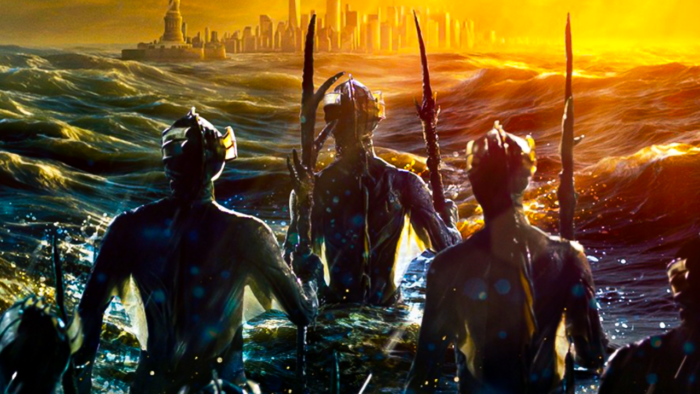
The turning point comes when an ancient, intelligent aquatic species emerges from the depths and finally addresses humanity. Their leader, Salt, delivers a clear message: the oceans no longer belong to humans. Decades of pollution, expansion, and neglect have pushed things too far, and the silence that allowed it is over.
This isn’t framed as a surprise attack or a monster invasion. It’s a declaration. And from that moment on, the show commits to exploring the consequences of that declaration instead of rushing past them.
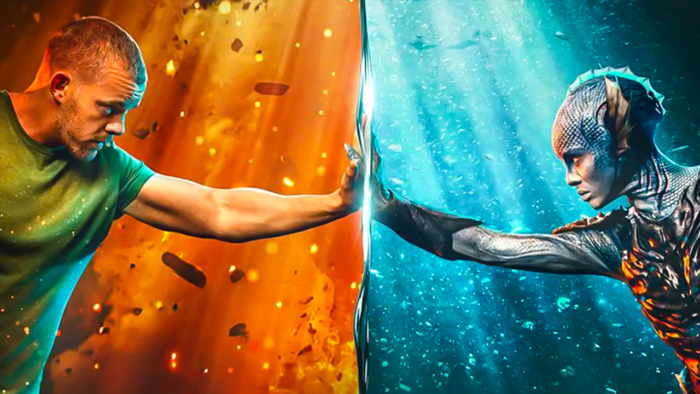
As the threat becomes public, a global defense organization is forced into action. Every decision is made under political pressure and global scrutiny. Early attempts at diplomacy reveal how wide the gap truly is. From Salt’s perspective, humanity has taken what it wanted from the planet without ever considering who might pay the price. What humans see as survival, she sees as theft.
When talks break down, the escalation feels inevitable rather than sudden. Underwater infrastructure is damaged. Trade routes collapse. Coastal cities suffer real consequences. Instead of cutting from one action set piece to another, the series focuses on how modern systems unravel when a single pillar fails.
What makes the conflict compelling is the show’s refusal to simplify it. Salt is not portrayed as cruel or unstable. She is calm, deliberate, and convinced that her people are right. At the same time, humanity isn’t presented as blameless. The story repeatedly points back to environmental damage and unchecked growth as factors that led directly to this crisis.
As pressure builds, divisions form on both sides. Some members of the ocean species believe compromise is still possible, while others push for total war. Human leaders face the same dilemma, split between restraint and survival. Every choice feels like a trade-off, and none of them come without lasting consequences.

That sense of permanence is one of the show’s greatest strengths. There are no easy resets. Mistakes linger. Losses matter. The tension doesn’t come from wondering who will win, but from watching how far everyone is willing to go before they cross a line they can’t return from.
Early audience reactions have praised the series for its grounded tone and patience. Rather than leaning on spectacle, the show allows its ideas to drive the drama, creating a story that feels less like fantasy and more like a cautionary tale. The conflict feels unsettlingly plausible, especially in a world already shaped by environmental and political strain.
With episodes releasing weekly, The War Between the Land and the Sea is easy to jump into now, while discussion around its themes is still unfolding. Much of that conversation has focused on the moral questions at the heart of the series: who truly owns the planet, whether survival can justify violence, and if compromise is still possible once fear takes control.
By trusting its audience and letting its story breathe, The War Between the Land and the Sea stands out as a rare science-fiction series that values consequence over convenience. It doesn’t rush to reassure viewers or offer simple answers. Instead, it asks uncomfortable questions — and lets them linger.
For viewers looking for a sci-fi drama that feels grounded, thoughtful, and genuinely tense, this is a show worth starting now.