In modern World of Warcraft, powerful weapons almost always come with a story. They have origins, named wielders, and questlines that explain exactly why they matter.
That wasn’t the case in The Burning Crusade.
During this era, many of the game’s most recognizable weapons had little to no narrative behind them. They weren’t tied to major lore events or famous characters. Instead, their reputation came from where they dropped, how difficult they were to obtain, and how they looked in the hands of a player who had clearly earned them.
This created a unique category of gear—weapons that felt legendary, even though they had no real lore at all.
Cataclysm’s Edge — Power Without Context
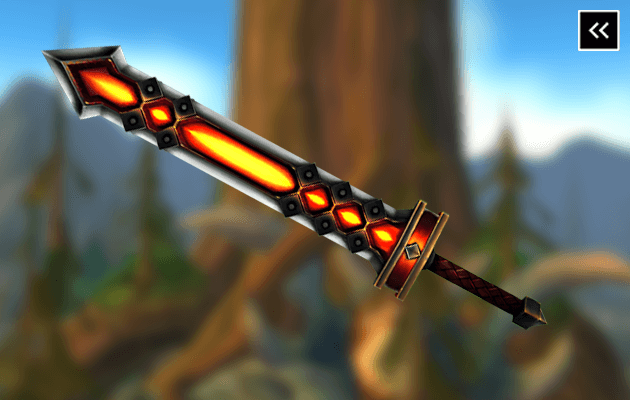
Dropped from Archimonde during the Battle for Mount Hyjal raid, Cataclysm’s Edge is a weapon that sounds like it should be deeply rooted in Warcraft lore.
The name suggests world-ending power. The source—a central antagonist in Warcraft history—reinforces that expectation.
Yet, beyond its item listing, there is no backstory. It is not referenced in quests, dialogue, or expanded lore. There is no known wielder, and no canonical explanation for its origin.
Its reputation comes entirely from context. Players associate it with one of the most important encounters in the game, and that association alone gives it weight.
Twinblade of the Phoenix — Aesthetic Prestige Over Narrative
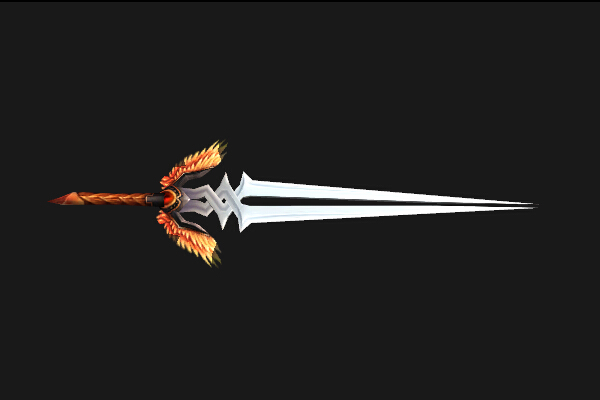
Obtained from Kael’thas Sunstrider in Tempest Keep, the Twinblade of the Phoenix is one of the most visually striking weapons of its time.
Its design implies a connection to phoenix imagery and arcane power, both closely tied to Kael’thas himself. However, there is no confirmation that the weapon was ever used by him or that it holds any narrative significance.
Despite this, it became highly sought after. Its appeal was simple: it looked exceptional and dropped from one of the most challenging bosses in the expansion.
Thori’dal, the Stars’ Fury — A Legendary Defined by Function
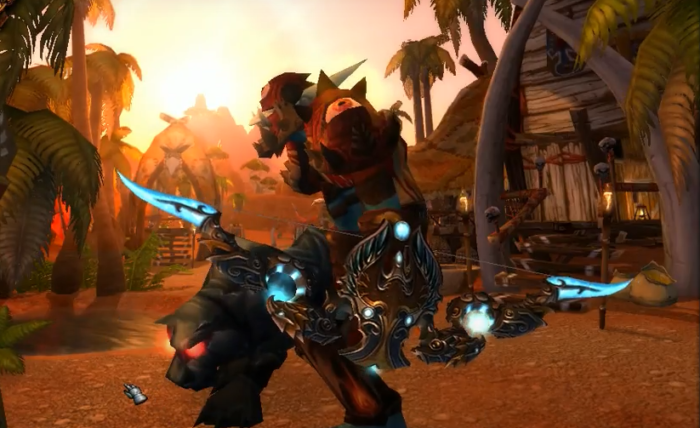
As a legendary weapon dropped by Kil’jaeden in Sunwell Plateau, Thori’dal, the Stars’ Fury stands out for a different reason.
It introduced a unique mechanic: it did not require arrows or ammunition. For hunters, this was a significant quality-of-life improvement and a defining feature of the weapon.
What it does not have is a story. There is no origin, no historical significance, and no lore presence beyond its item description.
Its legendary status is driven entirely by gameplay innovation rather than narrative importance.
Bulwark of Azzinoth — Name Recognition Without Explanation
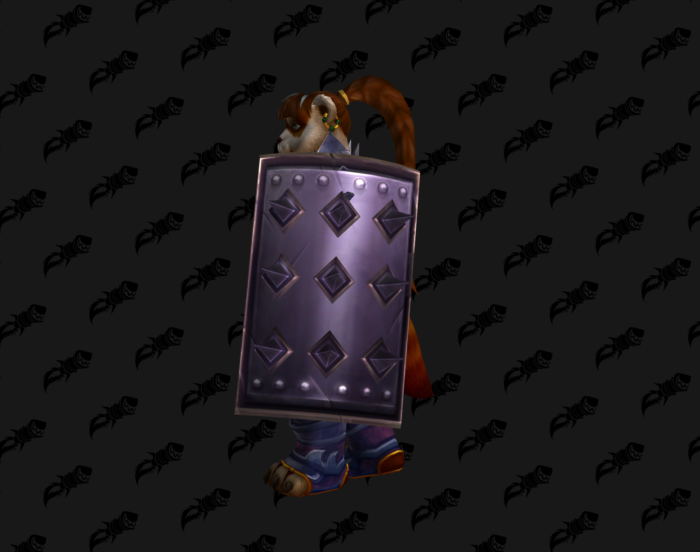
The name Bulwark of Azzinoth immediately suggests a connection to Illidan Stormrage and his iconic Warglaives.
However, unlike the glaives, this shield has no established lore. There is no explanation of its origin, no connection to Azzinoth beyond the name, and no narrative presence in Warcraft’s broader story.
Its popularity stemmed from its role as one of the strongest tank shields available at the time, combined with its distinctive visual design.
Golden Bow of Quel’Thalas — Cultural Design Without Story
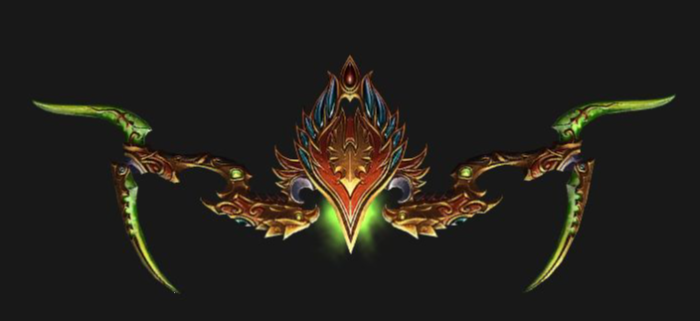
The Golden Bow of Quel’Thalas is one of the few weapons on this list with a hint of thematic context.
Its design reflects the aesthetics of Quel’Thalas and the blood elves, suggesting a cultural connection to elven craftsmanship and identity.
However, this connection is purely visual. There is no named wielder, no historical role, and no direct reference in Warcraft lore.
It remains a strong example of how design alone can imply depth without actually providing it.
Blade of Savagery — Recognition Through Gameplay
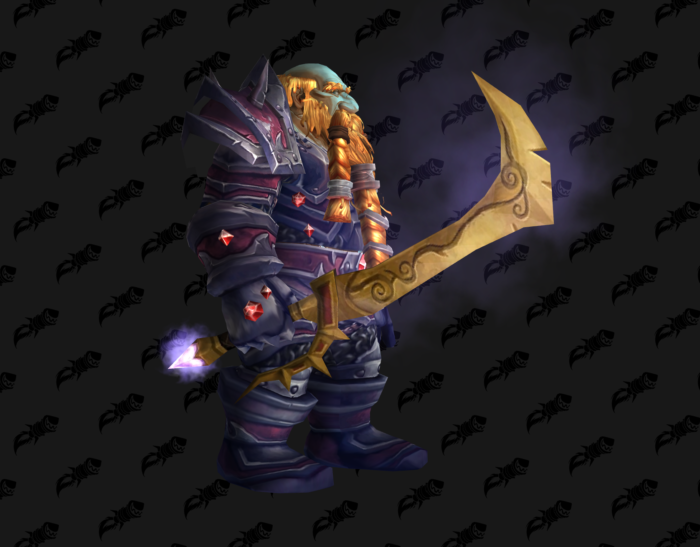
The Blade of Savagery, obtained from Gruul’s Lair, is remembered not for its story but for its place in early progression.
It was a powerful and accessible weapon that many players encountered during their initial raiding experiences in The Burning Crusade.
There is no lore attached to it. Its legacy comes entirely from its role in gameplay and progression.