The first episode of Sentenced to Be a Hero arrives with an unusual level of confidence. Rather than easing viewers into its world, the series opens with a clear sense of intent, using its extended runtime to establish tone, stakes, and atmosphere in a single, uninterrupted movement. From the outset, it signals that this is not a story interested in romanticizing heroism, but one determined to examine its cost.
A Brief Look at the Story So Far
The series is set in a world where those convicted of severe crimes are not imprisoned in cells, but conscripted into the Penal Hero Unit — a force tasked with battling overwhelming demonic threats. These “heroes” fight not for honor or redemption, but because they are compelled to. Death offers no release; fallen soldiers are repeatedly revived and sent back into combat, locked into a system that treats sacrifice as routine.
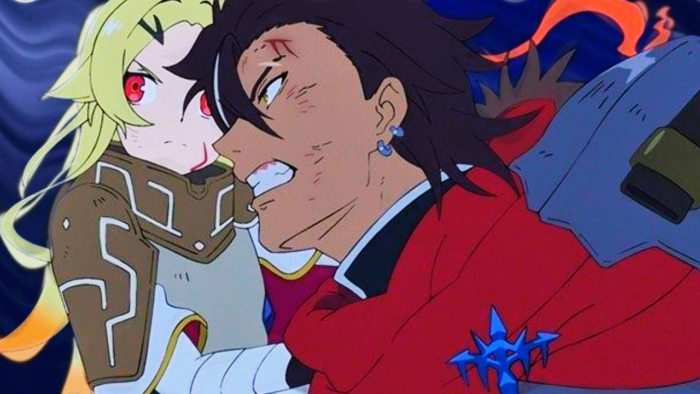
Episode one centers on Xylo Forbartz, a man framed for the murder of a goddess and sentenced to this cycle of forced heroism. Stripped of agency and burdened by an accusation he did not commit, Xylo’s introduction establishes the emotional core of the series: survival in a system designed to consume its participants.
The episode’s strength lies in how efficiently this premise is delivered. The rules of the world are made clear without excessive exposition, allowing the story to move forward with confidence.
Why the One-Hour Premiere Matters
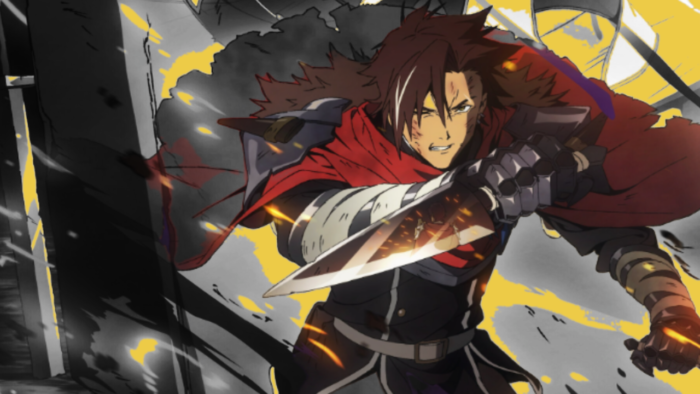
Extended first episodes are rare in television anime, and often risky. Here, the additional runtime feels purposeful rather than indulgent. The episode uses its length to balance three crucial elements: worldbuilding, character introduction, and action.
Viewers are given enough time to understand the political and moral structure of the Penal Hero system, while also witnessing the physical and psychological toll it takes on those trapped within it. By the end of the episode, the stakes are not abstract — they are personal.
Fan reactions reflect this effectiveness. Many viewers noted that the episode did not feel long, but complete, describing it as closer to a short film than a television pilot. The consensus across online discussions has been that the extended runtime allowed the story to breathe without losing momentum.
Early Audience Response
Community reaction following the premiere has been notably strong. Fans praised the series for committing fully to its darker themes rather than softening them for accessibility. The concept of heroism as punishment resonated widely, with many viewers calling it a refreshing departure from traditional fantasy narratives.
The character dynamics introduced in the episode also drew attention, particularly the uneasy relationship between Xylo and the goddess Teoritta. Their interactions provided moments of levity without undermining the episode’s gravity, a balance many viewers felt was handled carefully.
Several discussions also highlighted the episode’s confidence — the sense that the series knows exactly what it wants to be from the start.
A Strong First Impression
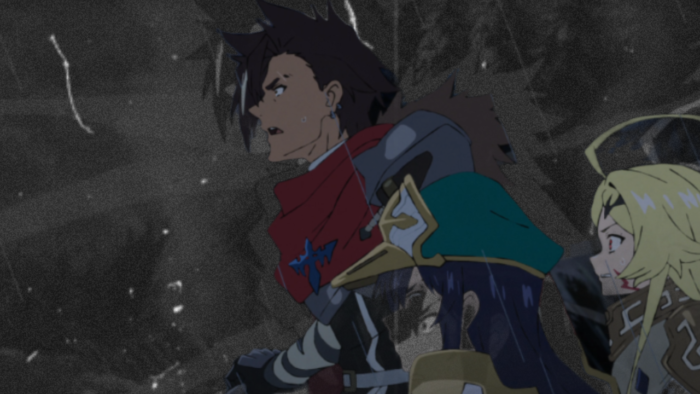
Visually, the premiere reinforces that confidence. The animation is polished and deliberate, with battle sequences emphasizing weight and danger rather than spectacle alone. Quiet moments are framed with equal care, often focusing on isolation and exhaustion rather than dialogue-heavy explanation.
The result is an episode that feels cohesive in tone, maintaining tension even during slower scenes. Many fans compared the production quality to that of theatrical releases rather than a standard episodic anime debut.
What ultimately makes Sentenced to Be a Hero’s first episode stand out is restraint. It does not rush to shock for the sake of attention, nor does it rely on mystery alone to keep viewers engaged. Instead, it presents a clearly defined world, a compelling central figure, and a moral framework that invites reflection.
The hour-long premiere does not ask viewers for patience — it rewards attention immediately.
Final Assessment
Episode one of Sentenced to Be a Hero delivers a focused, assured introduction to its world and themes. The extended runtime strengthens the storytelling rather than diluting it, offering a complete opening chapter that leaves room for future development without feeling incomplete.
It is a measured, thoughtful debut — one that suggests the series is prepared to explore its darker ideas with consistency and care.
Verdict: A strong and deliberate opening that sets a high standard for what follows