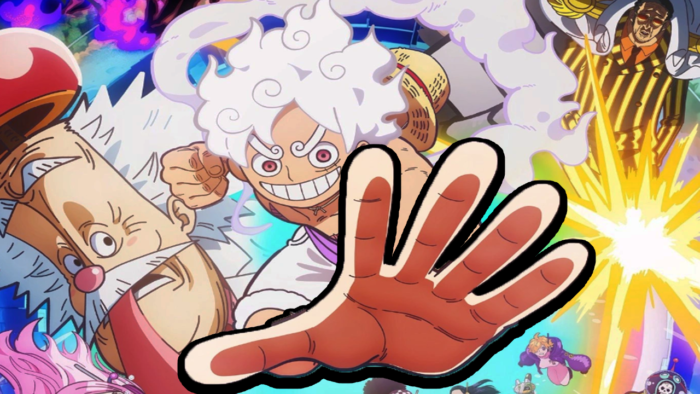
After more than twenty-five years of weekly episodes, One Piece is about to make one of its biggest changes ever. Starting in 2026, the anime will switch from a weekly release schedule to a seasonal format. For a series that has been part of fans’ lives for decades, this shift feels major and emotional.
Some fans are excited about the change, others are unsure, and many feel nostalgic about losing the weekly tradition. But one thing is clear: this marks a new era for one of the most iconic anime of all time.
Why One Piece Is Switching to a Seasonal Format
For years, the anime has aired almost nonstop. While this kept fans engaged, it also led to several major problems. The anime often ran very close to the manga, which caused pacing issues. To avoid catching up, episodes sometimes stretched out scenes or slowed down important moments. This made arcs feel longer than they were in the manga.
The seasonal format solves this issue. With fewer episodes each year, the anime gets more distance from the manga and no longer needs to stall or add filler. The pacing can stay steady, and the story can move at a natural speed.
Another reason for the change is animation quality. Weekly production is demanding, and the pace leaves little time for polish. A seasonal schedule gives the animation team more time to plan, draw, and finalize each episode. This means smoother action, cleaner designs, and more consistent visuals.
Finally, this new schedule matches modern anime standards. Many popular shows use seasonal releases to maintain quality and reduce burnout for staff. One Piece adopting this structure shows the studio’s commitment to long-term quality as the story heads into its final chapters.

How Fans Are Reacting to the News
The fanbase is split, but all sides care deeply about the series.
Many fans believe this change will improve the anime. They expect stronger pacing, better fight scenes, and more faithful chapter adaptations. With more time to animate each episode, they hope the anime will match the manga’s emotional tone more closely.
These fans see the new format as a chance for the series to shine during its most important moments.
Some fans are nervous about losing the weekly release rhythm. For more than two decades, watching new episodes every week has been part of the One Piece experience. The change feels strange and unfamiliar.
They also worry that fewer episodes per year could slow down the overall progress of the story.
There is also a group of fans who simply feel emotional. The weekly format has been part of their lives for years. It brought fans together online and created a shared routine. Changing that feels like closing the door on a long-held tradition.
These fans understand why the switch is happening, but it still feels like the end of an era.
What This Change Could Improve
There are clear benefits to the seasonal approach.
First, the pacing will improve. Without the pressure to stretch chapters, scenes can flow naturally and follow the manga more closely.
Second, animation quality can rise. More time for production means more detail, better action, and more memorable visual moments.
Third, the anime gets a more stable production cycle. This reduces burnout and helps the show maintain a consistent level of quality as it moves forward.
What Fans Might Lose
Even with the improvements, the change brings some drawbacks.
The biggest loss is the weekly excitement. Fans are used to discussing each new episode and celebrating small moments together. With seasonal releases, those weekly conversations may slow down.
Another challenge is waiting between seasons. Even if each season is well-made, the wait could feel long for fans who are eager to see the next part of the story.
What This Means for the Future of One Piece
One Piece is not ending with this change. Instead, it is preparing for the final stretch of its journey with a schedule that supports better quality and more faithful storytelling.
As the Straw Hat crew heads toward the last arcs, the seasonal format may help the anime deliver some of its strongest episodes yet. It creates room for careful planning, stronger animation, and emotional impact.
For fans, the shift may feel strange at first. But in the long run, it could help the series finish in a way that respects both the manga and the decades of viewers who have followed it.