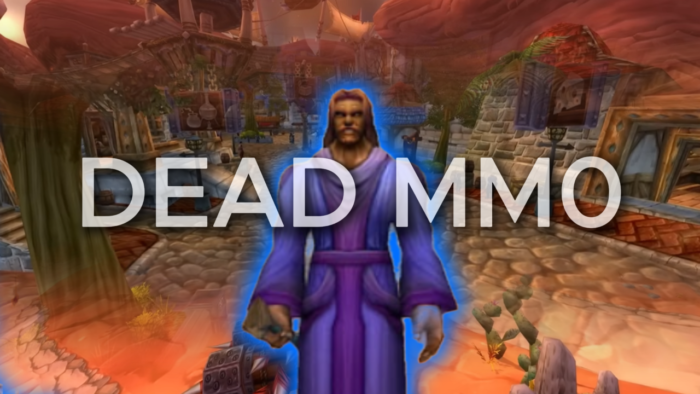
At some point in the distant future, every online game will face the same fate: shrinking populations, fewer updates, and a slow transition from thriving worlds to nostalgic memories. Yet for many players, that future is already visible today. Dead servers, empty capitals, and quiet auction houses reveal what happens when a once-busy world grows silent.
Surprisingly, these fading spaces are not entirely abandoned. In some cases, players remain long after the crowds leave. Understanding why reveals something deeper about online communities, nostalgia, and the human need for belonging.
When Worlds Grow Quiet
Modern MMORPGs offer more options than ever. In World of Warcraft alone, players can choose between retail content, Classic eras, seasonal modes, hardcore rulesets, and experimental formats. While variety keeps the game alive, it also divides the player base. Some servers inevitably thin out.
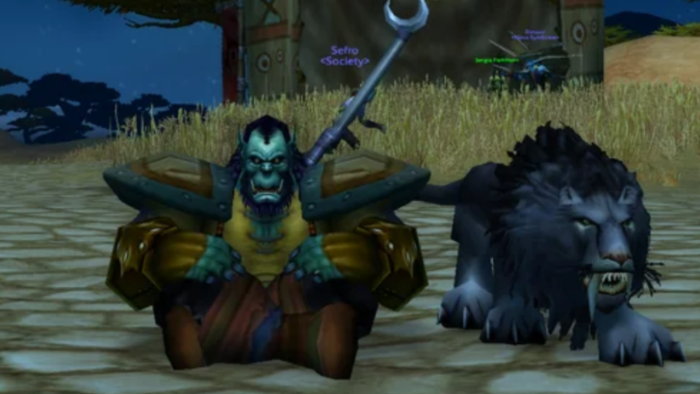
The House Bolt realm during the Season of Discovery illustrates this cycle. The mode launched with new mechanics, rune systems that reshaped class gameplay, and fresh story content. To handle the surge of players, additional realms opened. But as the novelty faded, populations consolidated on larger servers, leaving smaller realms behind.
House Bolt evolved into a half-empty world where most remaining players knew each other. When Blizzard locked the realm — preventing new character creation — its long-term survival became impossible. Without new players, even a stable population slowly declines.
Yet the server did not vanish overnight. Instead, it transformed.
A Small World Where Everyone Knows Your Name
On low-population servers, the experience shifts dramatically. Capitals feel quiet. Auction houses lack materials. Raid rosters shrink. But something else emerges: intimacy.
Players begin to recognize each other. Guilds merge out of necessity. Server events feel personal rather than anonymous. In extreme cases, a handful of players effectively control the economy and social activity.
For some, this is not a drawback — it is the appeal.
A tiny community can feel like a small town where everyone knows everyone else. The noise and chaos of mega-servers disappear, replaced by familiarity and cooperation.
Returning to an Empty City
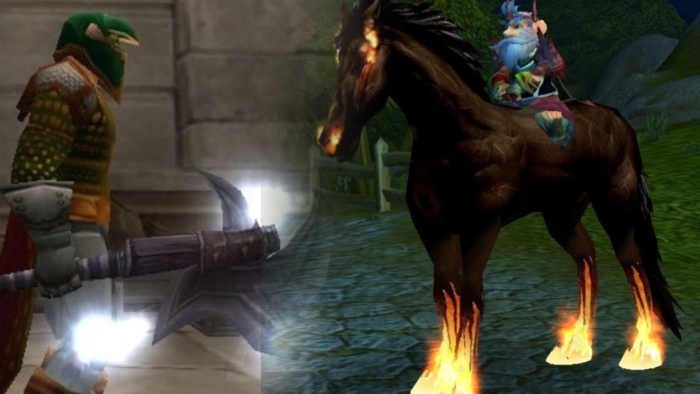
Stories from players returning after long breaks often highlight the shock. A once-crowded capital city stands nearly empty. Only a few players remain online. Guilds that once raided nightly no longer exist.
In these environments, resource farmers and bots may dominate due to lack of competition. Auction houses stagnate. Group content becomes difficult or impossible.
Still, small guilds often persist, composed of players who simply refuse to leave.
Isolation, Control, and the Appeal of Silence
The reasons players stay vary widely, but several themes repeat:
Community intimacy – A smaller population fosters stronger social bonds.
Server identity – Long-time players feel attached to their realm’s history.
Control and influence – A tiny population allows individuals to shape the server economy and events.
Atmosphere – Some enjoy the quiet, almost post-apocalyptic feeling of empty worlds.
Nostalgia – Staying preserves memories tied to a specific place.
Dead servers offer a rare experience in modern gaming: solitude inside a once-living world.
Rare Rewards and Opportunistic Players
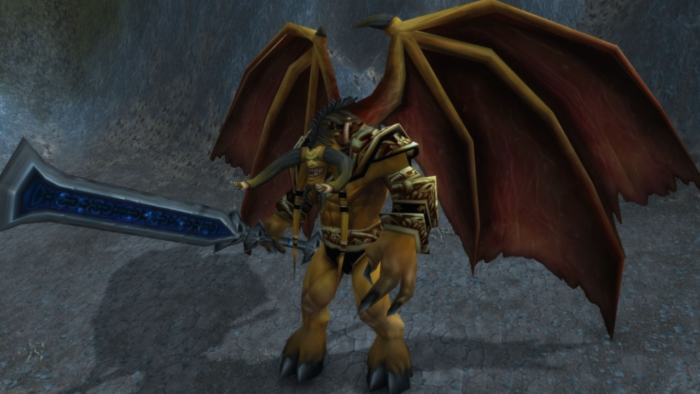
Low-population realms have also attracted players seeking rare achievements. Historically, large server events requiring massive cooperation — such as the opening of Ahn’Qiraj — were easier to influence on sparsely populated realms. In some cases, players transferred to quieter servers to complete legendary questlines with far less competition.
Developers later introduced transfer restrictions to prevent players from exploiting these conditions.
The Loneliest Online Worlds
This phenomenon extends beyond Warcraft. Some older MMOs continue to exist with only dozens of players — or fewer.
Meridian 59, one of the earliest 3D MMORPGs, now sees extremely small player counts, yet remains playable decades later. Periodic bursts of attention — such as coverage by YouTubers — briefly revive interest.
Active Worlds, an early online sandbox focused on user-created environments, became known for eerie encounters in its nearly empty worlds. Players returning years later sometimes find themselves completely alone in spaces that once hosted vibrant communities.
These games function less as active worlds and more as digital memorials.

Survival Through Devotion
Other MMORPGs survive through dedicated fan bases. Rift, once praised for its dynamic world events, suffered from business decisions, aggressive monetization, and reduced development support. While major expansions stopped years ago, a small community continues to log in, organize events, and preserve the game’s spirit.
In some cases, players coordinate “fresh start” projects — gathering at a set time to begin anew on quiet servers, temporarily restoring life to abandoned worlds.
What Dead Servers Reveal About Players
Dead servers and fading MMOs reveal an unexpected truth: online worlds are not sustained solely by content updates or player numbers. They endure because people form attachments — to places, to memories, and to each other.
For some players, the silence of a nearly empty world is not depressing but peaceful. For others, it is a reminder of shared history. And for a devoted few, staying behind is a way of keeping that history alive.
Even as populations decline and new games emerge, these quiet worlds persist — not as the bustling cities they once were, but as echoes of the communities that built them.