The premiere of Jujutsu Kaisen Season 3 arrives without spectacle, choosing restraint over shock. For viewers expecting an immediate escalation after the Shibuya Incident, the episode may appear understated at first glance. However, that restraint is not hesitation — it is intent.
Rather than announcing its importance, Episode 1 quietly positions itself as the emotional and structural foundation of the entire season, setting the conditions that make everything that follows unavoidable.
That foundation begins not with action, but with aftermath.
Living in the Ruins of Shibuya
Season 3 opens in a world that has already lost its balance. The destruction caused by the Shibuya Incident is no longer framed as a recent tragedy, but as a permanent scar. Tokyo feels altered, not just physically, but emotionally, as if the city itself is unsure how to function after what it endured.
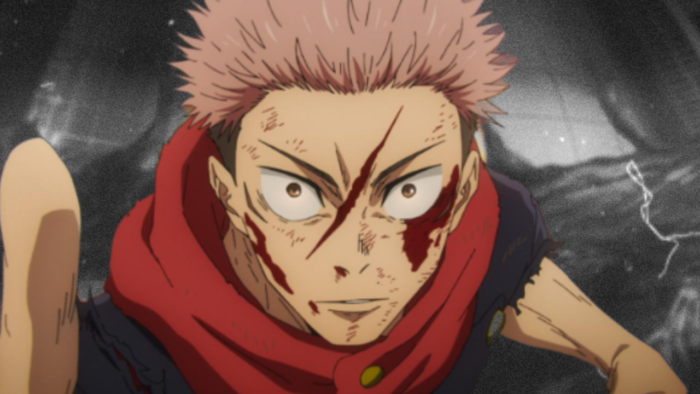
This atmosphere is mirrored in the characters, especially Yuji Itadori. He is no longer driven by urgency or idealism. Instead, the episode allows his guilt to exist quietly, expressed through pauses, hesitations, and the weight behind his silence. Yuji survives Shibuya, but the episode makes it clear that survival has not brought relief.
That unresolved guilt becomes the emotional center of the episode, which naturally draws attention to the people now shaping Yuji’s future.

Yuji Itadori and the Cost of Being Alive
Rather than dramatizing Yuji’s trauma, Episode 1 presents it as something he carries rather than confronts. He does not break down. He does not argue his innocence. He simply exists under the burden of everything that went wrong while he was still standing.
This portrayal becomes especially important when Yuta Okkotsu reenters the story. His presence immediately reframes Yuji’s position in the world. Yuji is no longer just a survivor — he is a problem the jujutsu system has decided must be addressed.
Their interaction is calm, restrained, and unsettling, emphasizing how normalized extreme decisions have become since Gojo’s sealing. And while Yuji’s fate is central, the episode makes clear that he is not the only one being pulled into a new and dangerous role.
That same pressure begins to close in on Megumi Fushiguro.
Megumi Fushiguro and the Collapse of Authority
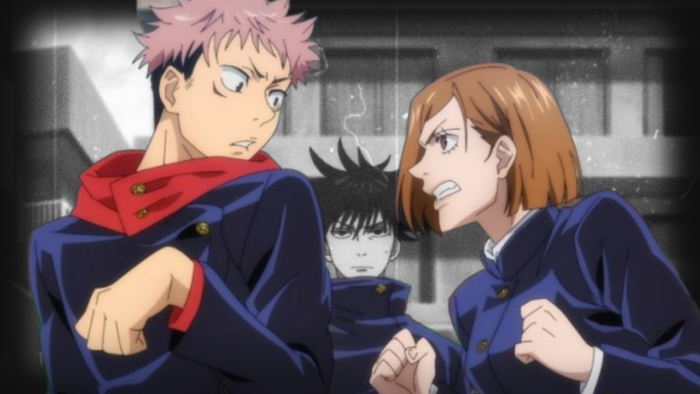
The episode subtly introduces a political shift through Megumi’s inheritance of the Zenin clan’s leadership. This is not treated as a promotion, but as a liability. Power, in this new era, attracts hostility rather than respect.
Megumi’s position places him at the center of a fractured system that no longer protects its own. The episode does not yet resolve this tension, but it establishes something crucial: structure has failed, and responsibility now exists without guidance.
This breakdown is not framed as a temporary disruption, but as the natural state of the world moving forward — a realization that leads directly into the episode’s larger purpose.

A World That Can No Longer Hold Itself Together
What Episode 1 truly accomplishes is not plot advancement, but contextual clarity. It shows that the jujutsu society seen in earlier seasons no longer functions as a system. Information is scattered. Leadership is uncertain. Characters act without confidence that anyone will intervene if things go wrong.
This is the final moment where the world still pretends it can be managed. The episode quietly dismantles that illusion, making it clear that what comes next cannot be stopped through order or tradition.
That inevitability is exactly what the manga confirms in the chapters that follow.
What the Manga Reveals About What Comes Next
In the manga, this portion of the story exists for one reason: to prepare the reader for the Culling Game not as an event, but as a consequence. The game does not begin abruptly; it emerges because the world no longer has the structure to prevent it.
Episode 1 lays the emotional groundwork for what the manga later makes explicit — that survival replaces morality, and death becomes procedural rather than tragic. Yuji’s growing self-sacrifice, Megumi’s forced decisiveness, and the normalization of loss all trace back to this opening episode.
Once the Culling Game fully begins, the story never slows down again, which is why this episode is the last opportunity to understand why no one can turn back.
Why Missing This Episode Changes the Season
Without Episode 1, Season 3 still functions narratively, but it loses its emotional continuity. Later decisions appear harsher. Character shifts feel abrupt. Violence feels colder.
With this episode, every choice feels like an extension of something already broken rather than a sudden escalation. It is the difference between watching chaos unfold and understanding why it could not be prevented.
That understanding is exactly what makes the episode essential.
Conclusion: The Calm Before the Collapse
Season 3, Episode 1 of Jujutsu Kaisen does not attempt to impress the audience. It attempts to orient them.
By focusing on aftermath, fractured authority, and emotional weight, the episode ensures that the Culling Game does not feel like a narrative twist, but a logical outcome. It establishes that the world is no longer fixable — only survivable.
And once that truth is accepted, everything that follows becomes inevitable.