Anime has existed outside Japan for decades, but for most of that time, it lived on the edges of Western entertainment. People who wanted to watch anime usually had to look for it on specific TV blocks, buy DVDs, or rely on word of mouth to know what was worth watching. Access was limited, releases were inconsistent, and many shows never reached a wide audience at all.
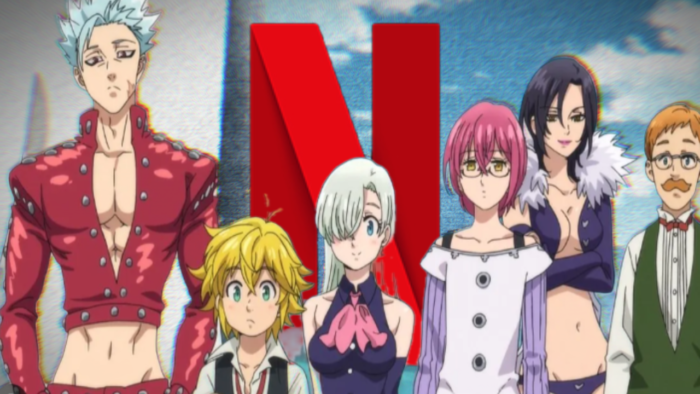
That situation began to change when Netflix started treating anime as a regular part of its catalog rather than a niche add-on. Netflix did not redesign anime or change how it was made. Instead, it changed how anime was distributed, promoted, and encountered by viewers. Over time, those changes reshaped how anime functioned in Western media.
Anime Became Easy to Access in One Place
One of the most important changes Netflix introduced was simple availability. Anime became easy to find and easy to watch on the same platform people already used for movies and TV shows. Viewers no longer needed to search for separate services or wait for specific broadcast times. Anime sat alongside dramas, comedies, documentaries, and animated series from around the world.
This mattered because access affects behavior. When anime became as easy to start as any other show, more people gave it a chance. Viewers could watch one episode without committing to anything else. They could stop or continue without effort. That lowered the barrier to entry for people who were curious but unfamiliar with anime.
Netflix also standardized the viewing experience. Subtitles and dubs were available immediately. Episodes were ordered clearly. Seasons were complete. These details removed confusion and made it easier for new viewers to stick with a series.
Global Releases Changed How Fans Watched Together
Another major shift came from Netflix’s approach to international releases. Before streaming platforms prioritized anime, many shows arrived outside Japan months or years after their original broadcast. Fans in different regions experienced the same series at different times, which limited shared discussion.
Netflix began releasing anime globally, often at the same time in many countries. This allowed viewers across regions to watch the same episodes together. Conversations happened immediately rather than being delayed. Online discussion became more unified, and anime felt current instead of outdated.
This global release model helped anime feel like part of the ongoing entertainment cycle rather than something audiences were catching up on later. It also encouraged wider participation in discussions, since fewer people were separated by release timing.
More Types of Anime Reached Larger Audiences
Netflix’s catalog exposed viewers to a broader range of anime than many had seen before. Instead of focusing only on action-heavy or long-running series, Netflix carried shows with different tones and themes.
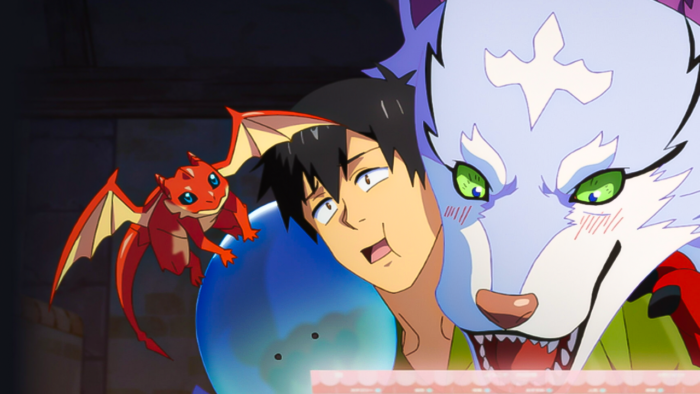
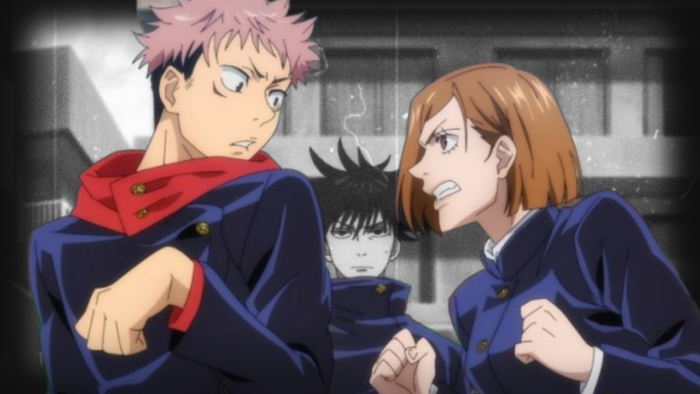
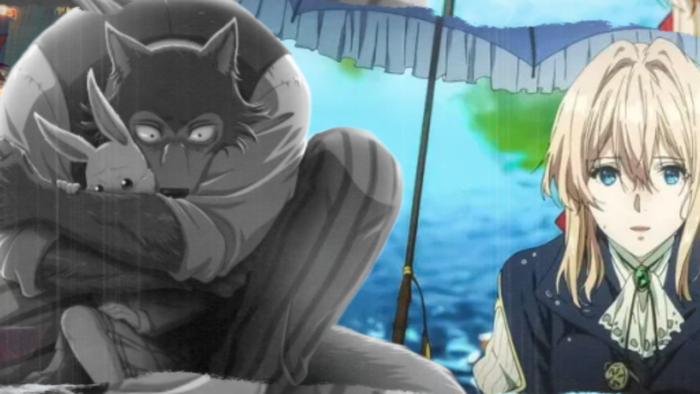
For example, Violet Evergarden reached viewers interested in emotional storytelling and character growth. Beastars found an audience for its focus on identity and social tension. Devilman Crybaby showed that anime could handle darker and more experimental material. These shows did not rely on traditional anime popularity to succeed; they found audiences because they were available and visible.
By hosting many types of anime in one place, Netflix helped viewers understand that anime is not a single genre. Over time, this changed expectations. Viewers became more open to trying different kinds of stories rather than assuming anime followed one formula.
Netflix Supported Anime Production, Not Just Distribution
Netflix also invested directly in anime production by working with Japanese studios. These partnerships gave studios funding and the assurance that their work would reach a global audience. This support allowed creators to focus on their intended stories without needing to simplify them for international markets.
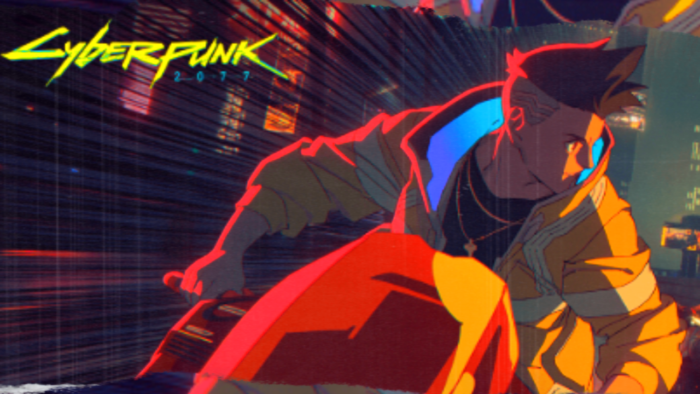
Shows like Great Pretender demonstrate this approach. The series was produced with a global audience in mind but kept its creative identity intact. Netflix’s role was to distribute and promote the work, not reshape it.
This production support helped expand the types of anime being made and increased the number of original projects that could exist at once.

Anime Became Normalized in Western Media
Over time, anime’s placement on Netflix contributed to a broader cultural shift. Anime stopped being treated as something separate from other entertainment. It was discussed alongside live-action series and films without needing special explanation.
This normalization did not happen because anime changed its content. It happened because viewers encountered anime in the same space and context as everything else they watched. As a result, watching anime no longer felt unusual or niche for many people.
What “Netflix Changed Anime” Really Means
Netflix did not create anime, and it did not make anime successful on its own. Anime already had strong stories, creators, and dedicated fans. What Netflix changed were the conditions around anime.
By improving access, standardizing global releases, supporting production, and placing anime alongside mainstream entertainment, Netflix helped anime reach wider audiences and stay visible longer. These changes allowed anime to grow naturally rather than relying only on existing fan communities.
Today, anime is a regular part of global streaming culture. People discover it casually, discuss it widely, and return to it consistently. Netflix played a significant role in creating that environment, not by altering anime itself, but by changing how the world encounters it.