
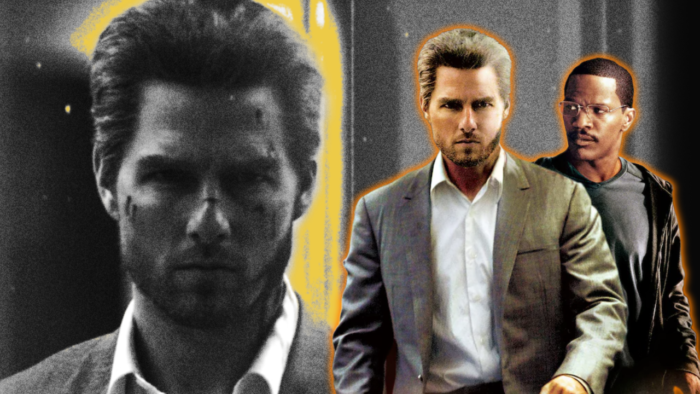
Why the New Generation Should Watch This Movie
Some movies age fast. Others don’t age at all.
Collateral (2004) somehow did something harder — it got better with time.
On paper, the story couldn’t be simpler. A taxi driver picks up the wrong passenger. That passenger happens to be a hitman. The entire movie takes place over one night in Los Angeles. That’s it. No twists stacked on twists. No world-ending stakes. No complex mythology.
And yet, Collateral is now considered a modern classic — and it’s exactly the kind of movie the newer generation should be watching.
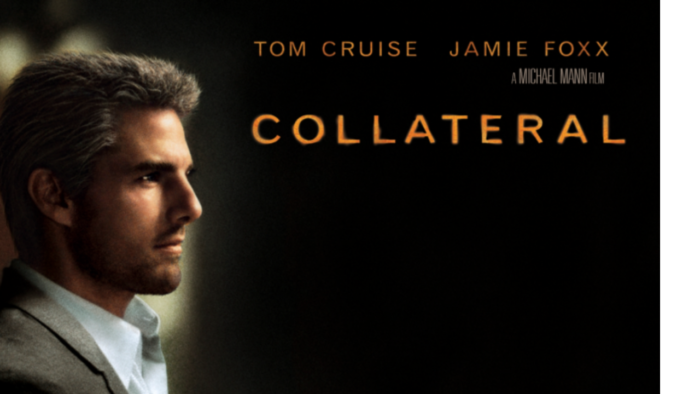
A Simple Story, Told Perfectly
The plot of Collateral is almost bare bones.
Max, a cab driver, is forced to drive Vincent, a professional assassin, across Los Angeles as Vincent completes his contracts before sunrise.
What makes it special isn’t what happens — it’s how it happens.
The movie understands that tension doesn’t come from explosions or constant action. It comes from:
- Two strangers trapped together
- Long conversations with dangerous meaning
- Silence that feels heavier than dialogue
Every stop feels like a countdown. Every mile feels like borrowed time.
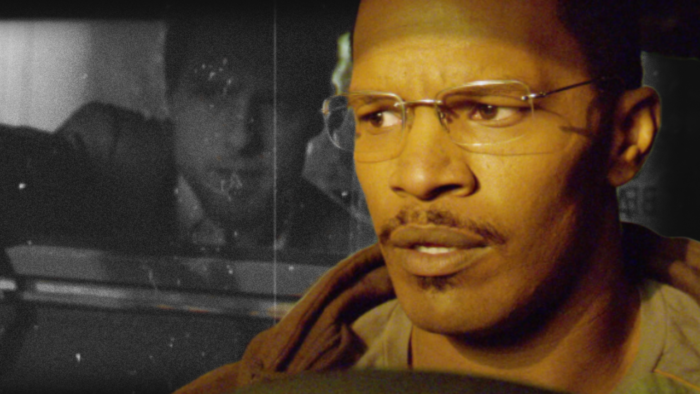
Tom Cruise’s Vincent Is Still Terrifying
For a generation that mostly knows Tom Cruise as the unstoppable action hero, Collateral is a shock.
Vincent isn’t loud. He isn’t dramatic. He doesn’t brag.
He’s calm. Polite. Efficient. And that’s what makes him scary.
Tom Cruise plays Vincent like someone who truly believes nothing matters. Lives are statistics. Death is routine. Morality is a distraction. That quiet confidence makes him more unsettling than any flashy villain.
Even today, Vincent is often cited as one of the most realistic hitmen ever put on screen — not because he’s cool, but because he feels possible.
Jamie Foxx Grounds the Film in Reality
Jamie Foxx’s Max is the opposite of Vincent.
He’s not brave. He’s not dangerous. He’s just stuck.
He has dreams, plans, and excuses — like a lot of people. Over the course of one night, he’s forced to either stay passive or act. That internal struggle is what the movie is really about.
That’s why Collateral still hits with younger viewers. Max feels familiar. He’s the guy who knows what he wants but keeps putting it off. Vincent is what happens when you detach completely. The movie lives in the space between them.
The Way It Looks Still Feels Modern
Michael Mann shot Collateral using early digital cameras, which was risky in 2004. But that decision paid off.
Los Angeles at night doesn’t look glamorous here. It looks empty. Cold. Real. Streetlights glow instead of sparkle. The city feels alive but uncaring.
This visual style directly influenced movies like Drive, Nightcrawler, and many modern crime films. If you’ve ever liked a neon-lit, late-night city movie — Collateral helped pave the way.
Quiet Moments That Say Everything
Some of the most memorable moments in Collateral aren’t violent at all.
There’s a scene where Max and Vincent watch coyotes cross the road in silence. No music. No dialogue. Just two men seeing something rare in a city that never stops moving.
That moment says more about the movie than any shootout. It’s about isolation, chance, and how life keeps moving whether you’re ready or not.
Why It Became a Classic
Collateral didn’t become a classic because it was flashy.
It became one because it trusted the audience.
- It doesn’t over-explain
- It doesn’t rush
- It doesn’t treat viewers like they need constant stimulation
Instead, it focuses on mood, character, and tension. The kind that lingers after the credits roll.
Over the years, more people revisited it. More critics reassessed it. And slowly, it earned its place as one of the best crime thrillers of the 2000s.