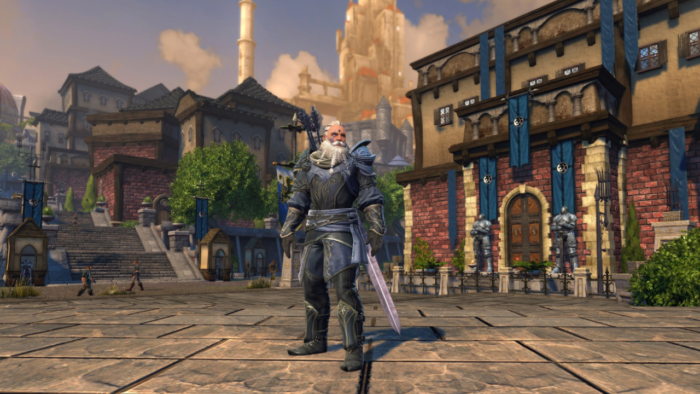
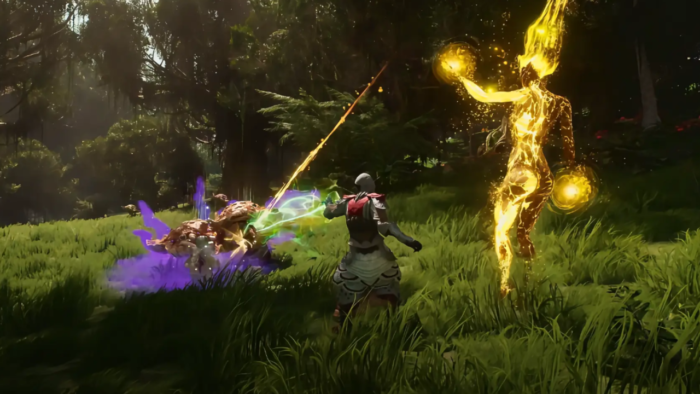
Ashes of Creation is a massively multiplayer online role-playing game set in a world designed to respond to player choices. Instead of following a fixed path, players shape the land, its cities, and its future through everyday actions. This idea sits at the center of the game’s design and affects nearly every system players interact with.
As of early 2026, Ashes of Creation is available through Early Access. While the game is still unfinished, many of its most important features are already playable, offering a strong look at how the final experience is meant to feel. Understanding what is available now helps explain where the game is headed next.
What Early Access Means for Players
Early Access represents an active development phase rather than a completed product. The version currently available is part of Alpha Two, which focuses on testing systems, gathering feedback, and improving stability. Because of this, players may see frequent updates, balance changes, and system adjustments over time.
This stage exists to strengthen the foundation of the game. Instead of rushing toward endgame content, the developers are focused on making sure core mechanics work together in a way that supports long-term growth. With that context in mind, it becomes easier to understand how the current features fit into the larger plan.
Exploring the World of Verra
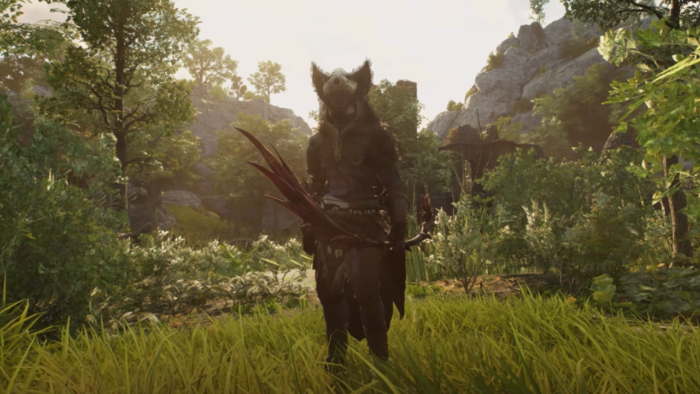
Players can already explore large areas of Verra, a world built to feel open and connected. The land includes forests, plains, coastlines, rivers, and open waters, each designed to support different activities. Travel is intentionally slow and grounded, which encourages players to learn the terrain rather than skip past it.
Because movement takes time, exploration becomes meaningful. Where players choose to live, gather resources, or build settlements directly affects how regions develop. This connection between travel and consequence helps the world feel alive rather than static.
Combat and Everyday Encounters
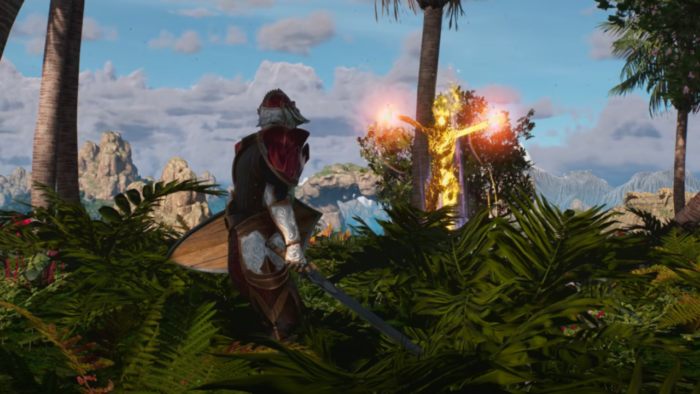
Combat is fully active and plays a central role in daily gameplay. Players fight enemies throughout the world using abilities, positioning, and timing. Instead of relying only on quick button presses, success often depends on awareness and decision-making.
As players move through the world, they encounter roaming enemies, event-based threats, and stronger opponents that encourage group play. These encounters naturally lead players toward cooperation, which ties into the game’s broader social systems.
Player-Versus-Player Conflict
PvP exists alongside PvE and is woven directly into the open world. Players can engage each other freely, but every action carries consequences. Attacking others without cause leads to penalties that make reckless behavior risky.
Certain regions remove these restrictions entirely. These lawless zones allow constant PvP and often contain valuable rewards, creating a balance between danger and opportunity. This risk-reward structure helps shape player behavior without forcing conflict.
The Node System and Living Settlements
One of the most defining features of Ashes of Creation is the node system. Nodes are locations that grow as players gather resources, complete activities, and spend time nearby. Over time, these nodes can develop into villages, towns, and eventually cities.
As settlements grow, they unlock new services, vendors, quests, and defenses. Players can choose to become citizens of a node, gaining benefits and influence over its direction. Because nodes can also decline or be destroyed, no city is permanent, which keeps the world in constant motion.
Economy Built by Players
The economy in Ashes of Creation is shaped almost entirely by players. Resources are gathered from the world, processed through professions, and crafted into useful goods. Items hold value because players create demand, not because vendors endlessly supply them.
Transportation plays a major role in this system. Players can pack goods into crates and move them between settlements, often across dangerous territory. This creates trade routes, competition, and conflict, turning simple travel into meaningful gameplay.
Crafting, Gathering, and Professions
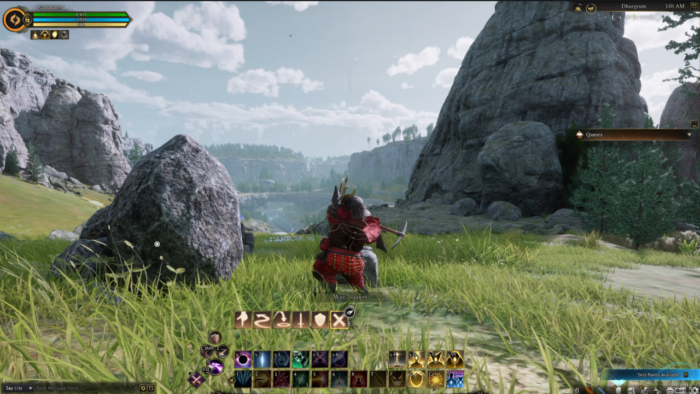
Gathering professions such as mining, logging, and harvesting are already active. These systems require players to interact directly with the environment rather than rely on menus. The materials gathered feed directly into crafting and construction systems.
Crafting extends beyond weapons and armor. Many crafted items support settlement growth, trade, and long-term progression. As development continues, these systems are expected to become deeper and more specialized, encouraging cooperation between different professions.
The Harbinger Invasion System
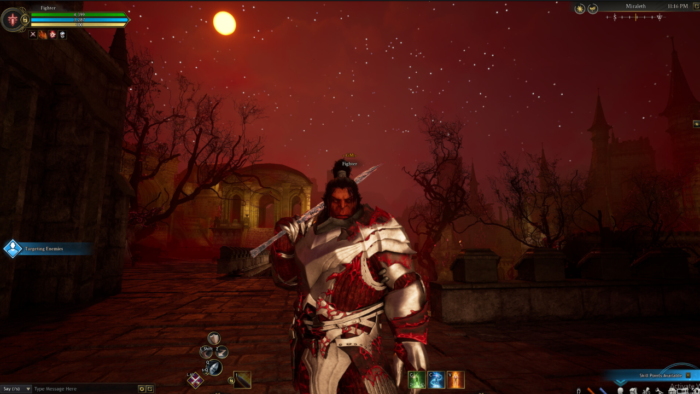
A major feature introduced during Early Access is the Harbinger invasion system. Harbingers are powerful forces that corrupt parts of the world, turning ordinary regions into high-risk zones filled with dangerous enemies.
When a Harbinger appears, players are encouraged to work together to push back the threat. These events unfold over time and culminate in difficult encounters that reward preparation and teamwork. Harbinger invasions are designed to feel like major world moments rather than optional side activities.
Fishing and Naval Gameplay
Fishing is available across rivers, lakes, and oceans and uses an active system that rewards timing and attention. Fish collected can be used for food, trade, or crafting, connecting the system back to the larger economy.
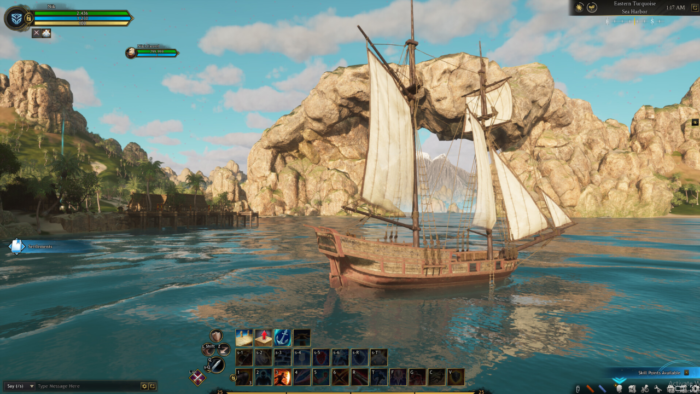
Naval travel adds another layer to exploration and trade. Boats allow players to cross open water and transport goods between coastal areas. Sea travel introduces new risks, especially when valuable cargo is involved, reinforcing the game’s focus on meaningful choices.
Classes and Progression as They Exist Now
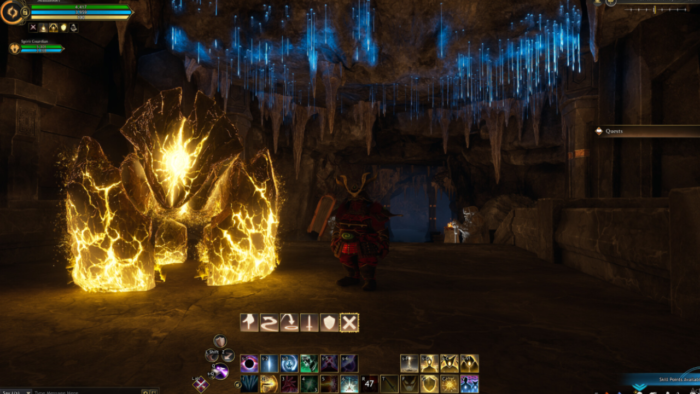
Players currently select a primary class and progress through early levels. Combat roles are clear, and abilities are designed to support group play. One new class was added with Early Access, expanding the available playstyles.
Progression is intentionally limited at this stage. The current level cap exists to test systems rather than deliver full endgame content. As a result, class balance and ability design remain active areas of development.
Major Features Planned for the Future
Several important systems are still planned for later updates. One of the largest additions will be the secondary class system, which allows players to combine two archetypes. This will greatly expand customization and create many new playstyles.
Player housing and freeholds are also planned. These systems will allow players to own land, build structures, and further influence the economy. Additional story content, world bosses, higher level caps, and expanded node politics are also expected as development continues.
A World Designed to Change
Ashes of Creation is built around the idea that nothing should remain static. Cities can fall, trade routes can shift, and powerful events can reshape entire regions. This constant change is what separates the game from more traditional MMORPGs.
Early Access offers a glimpse into that vision. While not all systems are complete, the core ideas are already present and working together in meaningful ways.
Closing Thoughts
At its current stage, Ashes of Creation provides a playable foundation that includes exploration, combat, a player-driven economy, dynamic settlements, and large-scale world events. While many features are still in development, the direction of the game is clear.
Players who join now experience the world as it grows and evolves. Those waiting for the final release can expect a deeper, more connected experience built on the systems already taking shape today.