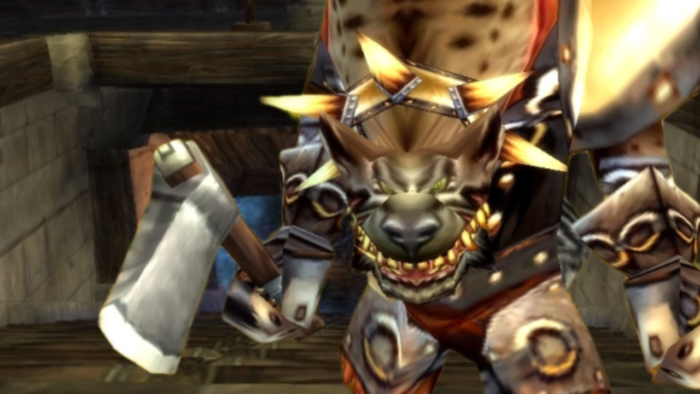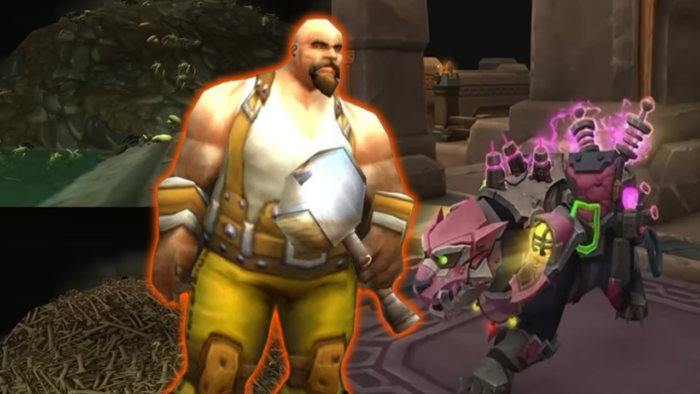
In the early eras of World of Warcraft, each server functioned as a contained social environment where familiarity developed through repeated encounters. Without cross-realm matchmaking, players saw the same names in cities, dungeon groups, battlegrounds, and trade chat. This repetition created recognition, and recognition created accountability. A tank who handled difficult pulls calmly or a healer who stayed patient during wipes became known assets; players who behaved selfishly or disrupted runs developed reputations that followed them. Guilds formed distinct identities rooted in progression goals, crafting support, PvP dominance, or social cohesion. Rivalries emerged organically, especially on PvP servers where control of farming routes, summoning stones, or world bosses triggered ongoing conflict. Community memory extended beyond gameplay mechanics: players remembered who crafted their first epic item, who helped with attunements, and who defended a capital city during a raid. This continuity gave the world a stable human presence. The game felt populated by people rather than filled by temporary participants, and that stability created emotional investment. That investment became even stronger when the shared community faced a common enemy whose story players had followed for years.
The Story Felt Personal
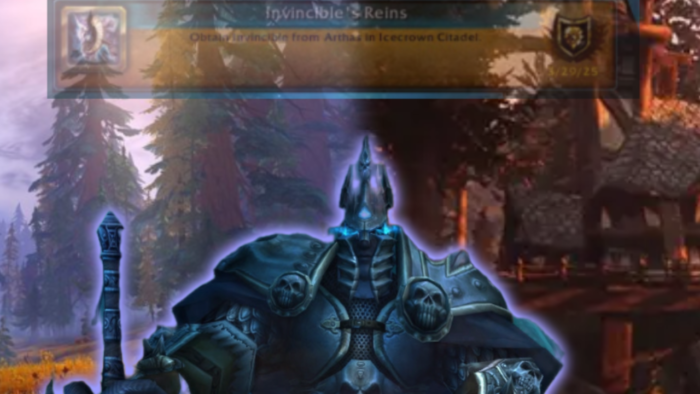
Wrath of the Lich King resonated because it resolved a narrative arc that began before World of Warcraft existed. Arthas Menethil’s descent from idealistic prince to Lich King had been established in Warcraft III, and players entered Northrend already aware of the tragedy behind the antagonist. Questlines reinforced this context by showing the aftermath of his decisions: abandoned settlements, undead corruption, and survivors living with loss. Story events such as the Wrathgate and the Battle for the Undercity unfolded within gameplay rather than external cutscenes, allowing players to witness consequences alongside their characters. Icecrown Citadel functioned as both raid content and narrative climax, presenting escalating encounters that reflected the Scourge’s hierarchy and Arthas’s power. Environmental design, voice lines, and quest dialogue emphasized the tragedy behind the villain rather than reducing him to a target. When players reached the final confrontation, the encounter provided narrative resolution as well as mechanical challenge. This emotional continuity strengthened engagement, making success feel meaningful beyond loot rewards. That narrative investment encouraged players to push through increasingly difficult encounters, which in turn shaped how challenge and accessibility were balanced.
Challenge That Welcomed Everyone
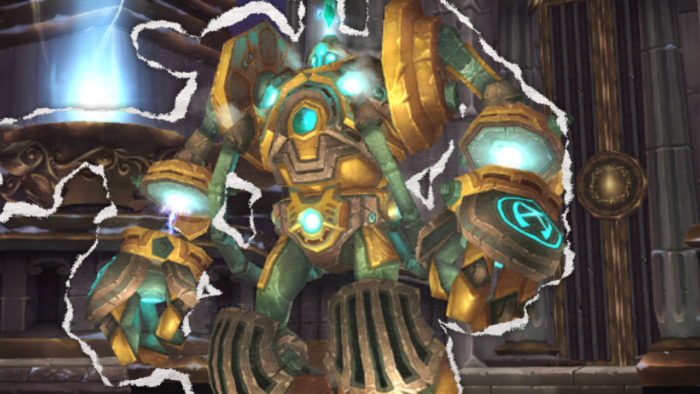
Wrath of the Lich King expanded access to group content while preserving layered difficulty that rewarded mastery. The Dungeon Finder system allowed players to assemble groups across servers, reducing wait times and enabling participation regardless of guild membership or social network size. This change broadened access to five-player dungeons and helped new players experience cooperative gameplay. Raid design introduced multiple difficulty modes, allowing groups to choose encounters appropriate to their coordination and skill. Normal modes ensured that story conclusions and raid environments were accessible, while heroic modes introduced additional mechanics requiring precision and teamwork. Hard-mode triggers within encounters such as those in Ulduar rewarded groups that altered strategies mid-fight to increase difficulty intentionally. This structure allowed casual players to participate without diminishing the aspirational goals pursued by competitive guilds. Participation expanded without eliminating challenge. As more players engaged with group content, class roles and synergy became increasingly important, reinforcing the distinct identities that defined cooperative play.
Classes Felt Distinct and Purposeful
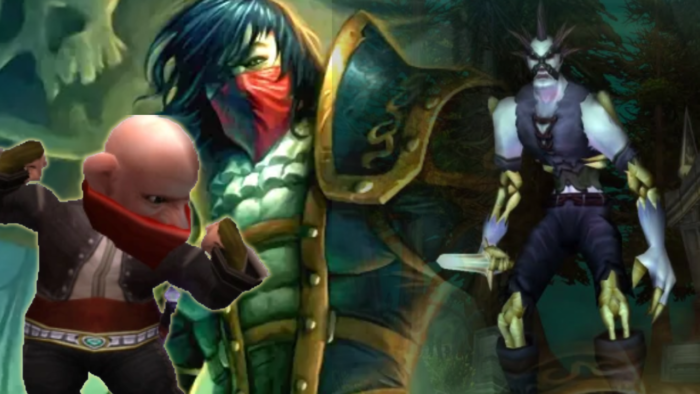
During this period, class design emphasized complementary strengths that shaped group strategy. Paladins provided blessings that enhanced survivability and resource efficiency. Shamans deployed totems that delivered localized buffs, influencing positioning and encounter pacing. Druids could shift roles, offering adaptability when group composition required flexibility. Priests provided powerful dispels and defensive cooldowns, while warlocks supplied healthstones and summoning rituals that reduced logistical friction. Talent trees allowed specialization and experimentation, enabling players to tailor builds for specific roles or hybrid responsibilities. Group composition required consideration of buffs, debuffs, and utility rather than focusing solely on damage output. Success depended on coordination among complementary abilities. This interdependence strengthened class identity and encouraged cooperation, as players recognized the value each role contributed to shared objectives. With class strengths shaping group performance, progression felt tied not only to gear but to collective coordination and preparation, reinforcing the sense that advancement required participation in a larger journey.
Progression Felt Like a Journey
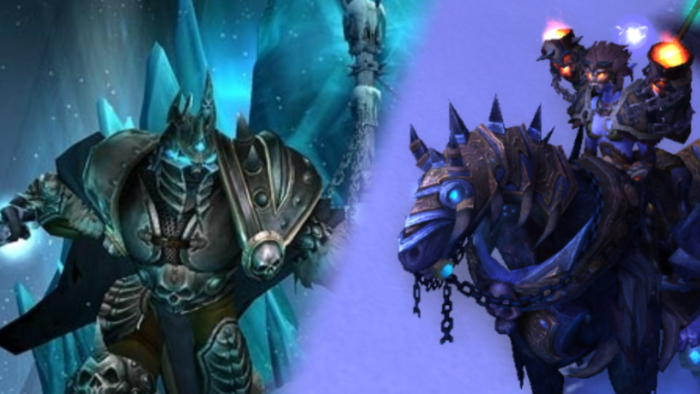
Advancement during this era unfolded through sustained exploration, cooperative play, and incremental improvement. Leveling required movement across multiple zones, each presenting environmental hazards, narrative questlines, and local conflicts that reinforced regional identity. Travel time encouraged familiarity with terrain and routes, making geography part of the experience rather than a barrier between objectives. Mount acquisition represented a meaningful milestone, improving mobility and signaling progression. Gear upgrades often resulted from dungeon runs, crafting, reputation rewards, or raid drops, each tied to specific activities and memories. Professions contributed to advancement by enabling players to craft equipment and consumables that supported both individual performance and group readiness. Because improvement resulted from accumulated experiences rather than instant rewards, progress reflected participation across varied systems. This connection between effort and capability strengthened attachment to the world. As players traveled and progressed, they encountered the environment repeatedly, reinforcing the sense that Azeroth itself was an active part of the experience.
A World Worth Exploring
Ground-based travel and contested zones encouraged engagement with geography and spontaneous encounters. Players navigating shared quest hubs, flight paths, or resource locations frequently crossed paths with opposing factions, leading to emergent world PvP. Control of chokepoints such as bridges, summoning stones, and mining routes created conflict that arose from movement rather than scripted events. Environmental design reinforced immersion through ambient sound, weather effects, and distinct regional music. Exploration revealed hidden caves, elite areas, and quest chains that rewarded curiosity rather than strict linear progression. Because movement required attention and planning, players developed spatial familiarity and route efficiency. This repeated interaction fostered attachment to specific regions and encouraged return visits. The world functioned as an active component of gameplay, shaping encounters and reinforcing continuity. That continuity extended into raid environments and endgame spaces, where atmosphere and design reinforced the identity of each location.
Content That Still Lives in Memory
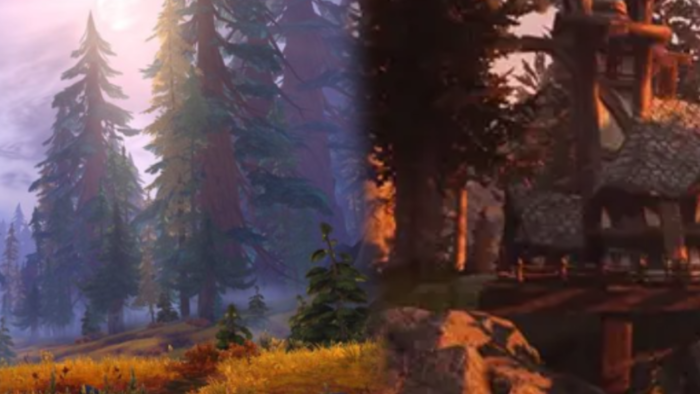
Raid and zone design emphasized thematic cohesion and environmental storytelling that strengthened immersion. Ulduar combined Titan architecture, mechanical constructs, and hidden lore elements that encouraged discovery beyond combat. Icecrown Citadel presented escalating confrontations that reflected the Scourge hierarchy, culminating in a final encounter that reinforced narrative closure. Zones such as Grizzly Hills and Howling Fjord distinguished themselves through musical composition, lighting, and landscape design, creating strong sensory identity. Boss encounters frequently incorporated mechanics tied to character lore or environmental context, reinforcing narrative immersion. Seasonal events and phased questlines introduced dynamic changes that made familiar locations feel responsive. Memorable design extended beyond difficulty to include atmosphere, pacing, and visual identity. These environments remained recognizable long after progression moved elsewhere because they connected mechanical engagement with emotional resonance. As players returned regularly for raids and events, the game also functioned as a consistent meeting place, reinforcing its role as a social hub.
An Era When MMOs Served as Social Infrastructure
During the late 2000s, World of Warcraft functioned as a primary social platform for many players. Guild chat, in-game mail, and scheduled raid times structured regular interaction, while downtime between activities allowed conversation, crafting, and casual exploration to occur organically. External communication tools existed but were not yet centralized, making the game itself the primary meeting space. Players organized events, coordinated schedules across time zones, and maintained friendships through shared objectives. Routine participation reinforced reliability, as raid attendance and cooperative success depended on trust and communication. Because social interaction occurred within the same environment as gameplay, relationships were strengthened through shared achievement and problem solving. The game provided continuity and structure that extended beyond entertainment, creating a dependable space for connection. This integration of community, narrative, challenge, and environment reinforced the sense that Azeroth was not simply visited, but inhabited.