

There’s a reason people keep going back to Avatar: The Last Airbender. Not just to rewatch it, but to sit with it again and feel the same moments land the way they did the first time. The humor still works, the quiet scenes still breathe, and the emotional moments still hit even when you know they’re coming. Most shows lose something after the first watch. Avatar doesn’t. If anything, it becomes clearer what makes it special.
That’s because it was never built around shock or spectacle. It was built around structure, character, and timing. And those things don’t fade. They get stronger the more you notice them.
It Takes Its Time
One of the biggest reasons Avatar still works is how patient it is. The show doesn’t rush to explain itself. It doesn’t try to front-load every important detail just to keep your attention. Instead, it gives you just enough to follow along, and then it lets the story unfold naturally.
When you first meet Aang, you don’t get a full breakdown of who he is or what he’s been through. You see how he acts. You see how he jokes, how he avoids responsibility, how he clings to being a kid. And only later do you understand why that matters.
That’s what makes moments like the Southern Air Temple hit so hard. The show doesn’t start with tragedy. It lets you spend time with Aang as he is—lighthearted, hopeful, still holding onto his past. So when he finally discovers what happened to his people, it doesn’t feel like information being delivered. It feels like something breaking.
A lot of modern storytelling tries to answer every question immediately. Avatar understands that the questions themselves are part of the experience. It lets you sit in that space a little longer, and that’s what gives its biggest moments weight.
You Learn the Characters by Watching Them Live
Avatar doesn’t stop to explain its characters. It lets them exist, and you learn by watching.
Aang is introduced as someone who would rather go penguin sledding than face the reality of being the Avatar. That one choice tells you more about him than any speech could. He’s not just “reluctant.” He’s actively avoiding something he doesn’t feel ready for, and that avoidance becomes the core of his journey.
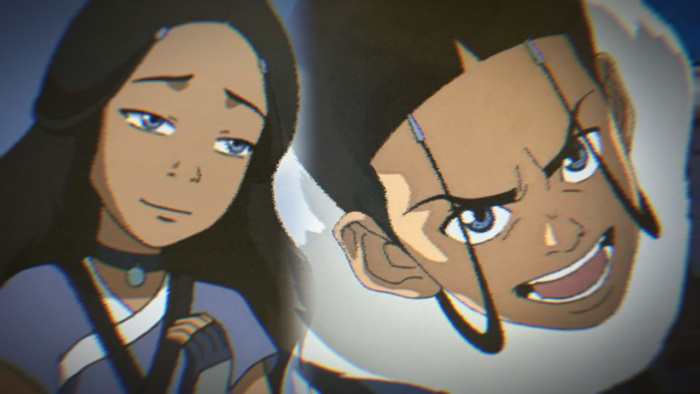
Katara isn’t just “strong.” Early on, she’s frustrated. She’s the only waterbender in her tribe, trying to teach herself with no guidance, constantly feeling like she’s falling short. You see that in how she reacts to Aang picking things up faster than her. You see it in how hard she pushes herself, even when she doesn’t know what she’s doing yet. That’s why, by the time she becomes one of the strongest waterbenders in the show, it actually means something. You watched the work.
Sokka starts off thinking he has everything figured out. He doesn’t. And the show doesn’t protect him from that. When he underestimates the Kyoshi Warriors, he gets humbled immediately. Not through a speech, but through action. And instead of brushing it off, he changes. He learns from it.
These characters aren’t defined by what they are at the start. They’re defined by how they respond to being wrong.

Growth Isn’t Instant
A lot of stories want their characters to feel impressive right away. Avatar is willing to let them feel incomplete.
Aang spends a large part of the story trying to delay what he knows he has to do. He doesn’t suddenly become ready. He slowly accepts it. You see that shift happen over time, especially when the weight of the war becomes unavoidable.
Katara doesn’t just “unlock” her power. She earns it. She trains, she fails, she gets frustrated, and she keeps going. Episodes like her stealing the waterbending scroll or standing up to Master Pakku show exactly how far she’s willing to go to improve. By the time she surpasses Aang in waterbending, it doesn’t feel surprising—it feels right.
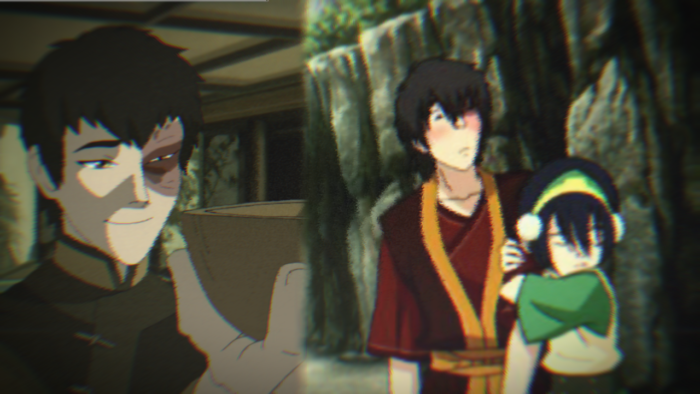
Zuko is probably the clearest example of this. He doesn’t change quickly. He spends most of the series struggling with who he is supposed to be versus who he actually is. His choices don’t always move him forward. Sometimes they set him back. But every step feels connected. When he finally makes the right choice, it carries weight because of everything that came before it.
Nothing about their growth is rushed, and because of that, none of it feels empty.
It Balances Light and Heavy Without Losing Control
One of the hardest things for any show to do is balance tone, and Avatar does it better than most. It can move from something playful and ridiculous to something serious without feeling like two different shows stitched together.
You can go from an episode where the group is messing around, getting into weird situations, or just enjoying being together, straight into something like “The Storm” or “The Desert,” where the emotional weight hits hard. And it works, because the lighter moments aren’t filler—they build connection.
When you see Aang laugh, joke, and act like a kid, it makes it hit harder when he’s forced to face reality. When you see the group bond and grow closer, it makes their struggles feel shared instead of isolated.
The show understands that not every moment needs to be heavy to matter. Sometimes the lighter moments are what give everything else meaning.
It Respects the Audience Enough to Stay Quiet
A big reason Avatar still feels strong is because it doesn’t feel the need to over-explain itself. It doesn’t repeat the same ideas over and over. It doesn’t stop to make sure you understood every single detail.
When something important happens, the show lets it sit.
It doesn’t rush to move on. It doesn’t immediately follow up with a speech explaining what it means. It trusts that you felt it.
That restraint shows up in a lot of small ways. Characters aren’t constantly narrating their emotions. Important ideas are shown through actions, not repeated through dialogue. Even world-building details are layered in naturally instead of being dumped all at once.
That trust keeps you engaged. It makes you pay attention. And it makes the experience feel more personal, because you’re meeting the story halfway instead of being walked through it.