One of the most fascinating moments in Invincible comes from an unexpected place—not a fight, not destruction, but a quiet confession. In a series built on brutality and strength, the character Conquest delivers something far more unsettling: honesty.
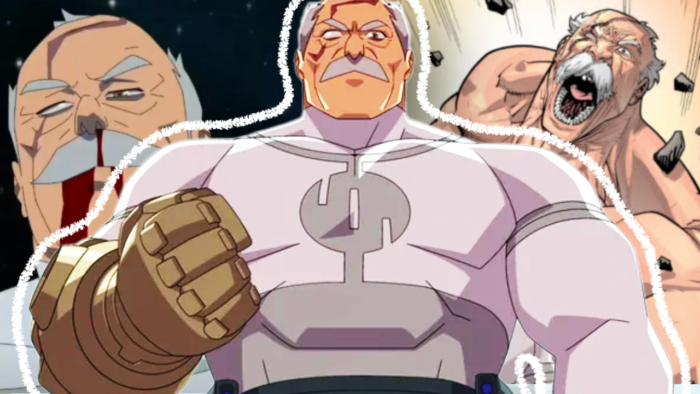
At the peak of his power, Conquest admits something simple but heavy—he is alone.
This moment shifts how we see him. Not as just another unstoppable villain, but as someone shaped by the very system that made him strong. It raises a bigger question: what does it actually mean to be powerful?
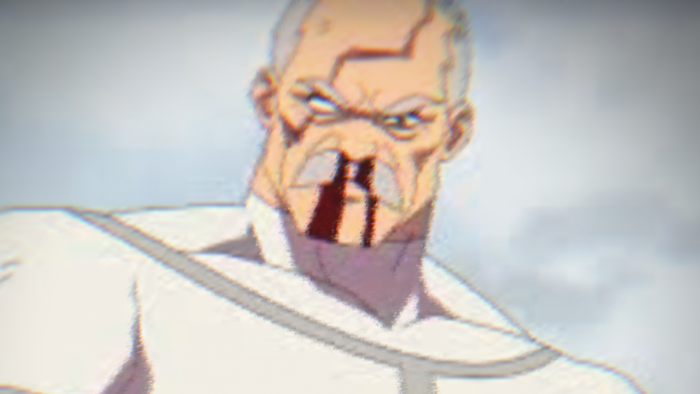
Power Doesn’t Equal Connection
Conquest exists in a world where strength is everything. Weakness is erased, and emotion is treated like a flaw. On the surface, that kind of society produces dominance and control. But underneath, it creates isolation.
When you are the strongest person in the room, no one talks to you normally. People either fear you or want something from you. There is no in-between. Over time, that changes how you see every interaction. You stop trusting people. You stop opening up. Eventually, you stop trying.
Conquest explains that other Viltrumites avoid him. They see him as unstable. Dangerous. Not someone to connect with. And that’s the cost of being at the top—there’s no one left who understands you.
Why He Chooses to Open Up
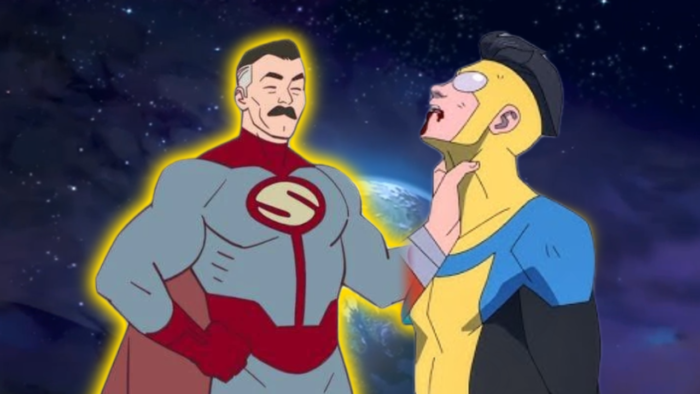
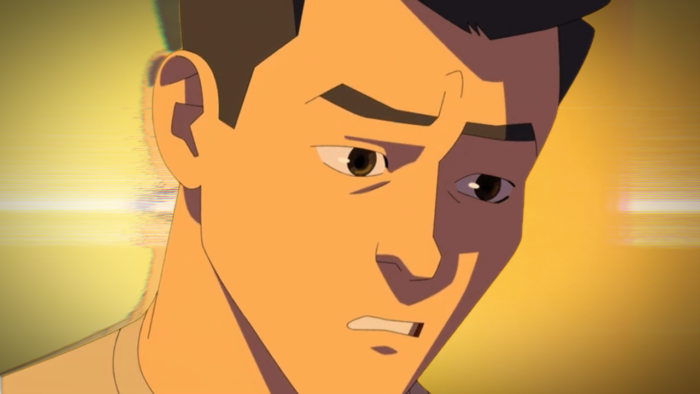
The only reason Conquest shares his feelings with Mark is because, in his mind, it doesn’t matter. Mark is going to die. The secret dies with him.
That’s what makes the moment so real.
Sometimes, it’s easier to be honest with someone who won’t be around. There’s no judgment to worry about. No consequences. No long-term impact. It’s a safe way to release something that’s been building for a long time.
This reflects something very human. People often feel more comfortable opening up when they believe it won’t come back to affect them. It’s why strangers can sometimes hear things close friends never do.

The Hidden Cost of Strength
There’s a common idea that power solves problems. Money, status, ability—these things are supposed to make life easier. And in some ways, they do. But they also create new problems that aren’t always obvious.
Conquest’s situation highlights one of the biggest: isolation.
When you are powerful, people treat you differently. Some fear you. Others want to use you. Very few see you as just a person. That creates a constant question in your mind: Who actually cares about me?
That kind of doubt builds over time. It makes relationships feel uncertain. It makes honesty feel risky. And eventually, it can make someone feel completely alone—even when surrounded by others.
A Villain Who Doesn’t See Himself as Evil
Another key detail is how Conquest views his actions. While others might call them atrocities, he likely doesn’t. In his mind, he is doing what he was raised to believe is right—eliminating weakness, enforcing strength.
This is important because it shows how people justify their actions. Most villains don’t think they are villains. They believe in their purpose. They follow the rules they were given.
Conquest isn’t just a monster. He’s a product of his environment. A “perfect soldier” who followed his culture to its logical extreme.
Can Someone Like Conquest Change?
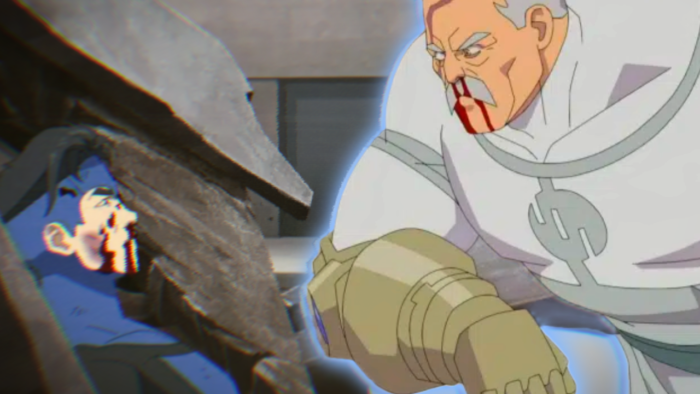
There’s a moment where you start to wonder—what if things were different?
What if someone with his abilities had been raised to build instead of destroy? To protect instead of conquer? The same traits that make him terrifying could have made him extraordinary in a completely different way.
That idea ties into one of the bigger themes of Invincible: redemption.
Is someone like Conquest capable of change? Or is he too far gone?
The show doesn’t give a clear answer. But it does something more interesting—it makes you ask the question.
The Reality Behind the Fiction
What makes this scene stand out is how real it feels. The idea that people at the top can feel isolated isn’t new. Many successful or powerful individuals talk about the same thing. The higher you go, the fewer people you can relate to.
And when society treats vulnerability as weakness, it only makes things worse. People hide what they feel. They shut down. They stop sharing.
Conquest may be an extreme example, but the core idea is familiar.
Everyone wants to be understood.
Final Thought
Conquest isn’t just a symbol of power—he’s a symbol of what happens when power replaces connection.
His strength made him feared. His role made him useful. But neither made him understood.
And in the end, that might be the most dangerous thing of all.