In early World of Warcraft, class quests were not side content. They were part of how the game taught players what their class was supposed to be. Instead of treating classes as simple combat roles, Vanilla used quests to reinforce identity, progression, and responsibility. That design choice is a major reason players still look back on the system so positively.

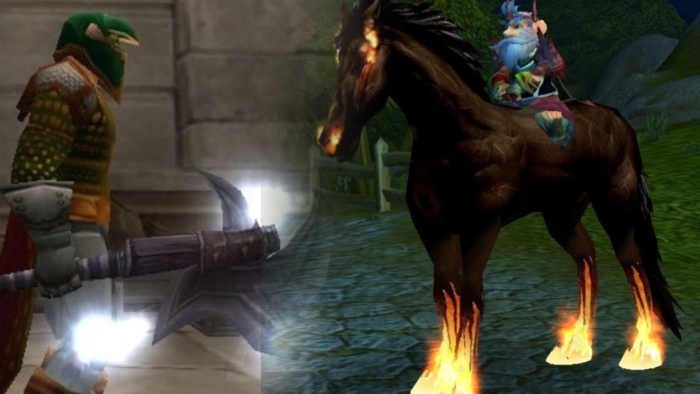
Class quests worked because they started from a simple idea: choosing a class should change how you experience the game. A Warlock learned to control demons through rituals and long travel chains. Paladins and Warlocks earned their class mounts through quests that required preparation and help from others. Druids gained forms through challenges tied to nature and exploration. These were not generic objectives with different text. They reflected the fantasy of the class itself.
The rewards also felt meaningful because they were earned rather than automatically granted. Many quests unlocked abilities, forms, or items that directly affected gameplay. Players remembered where they got them and what they had to do to complete the chain. That created attachment. Instead of feeling like a system handing out upgrades, the game made players feel like they had achieved something specific to their character.

Another reason the system worked was that it demanded understanding of your class. Some quests were simple, but others required skill or preparation. Legendary class weapons like the Hunter’s Rhok’delar or the Priest’s Benediction were not just powerful items — they acted as tests. Players had to prove they understood their tools and mechanics. Completing those quests built real confidence and gave players a sense of mastery.
These moments also carried social value. Class rewards were visible, and other players knew what they represented. Seeing someone with a class-specific item meant they had completed something unique. That recognition strengthened class pride because players felt part of a smaller identity within the larger MMO population.
The pacing of Vanilla helped everything land. Progression was slower, so class quests stood out as milestones instead of blending into a fast leveling process. They broke up the routine and gave players moments that felt important. Many veterans still remember these quests because they tied progress to memories, not just numbers.
The key reason class quests succeeded is that they aligned gameplay with fantasy. The game didn’t just tell players they were Hunters, Paladins, or Warlocks — it gave them experiences that reinforced those roles. By connecting story, mechanics, and rewards, class quests made classes feel personal.
That is why Vanilla class quests built strong class pride. They made players earn their identity, and once earned, that identity felt real.