In a genre crowded with fearless warriors and destined champions, Stark from Frieren: Beyond Journey’s End stands out for doing something far less flashy—and far more human. He is strong, skilled, and capable of slaying monsters that terrify entire villages. But what defines him is not his power. It is his fear, and more importantly, what he chooses to do despite it.
That choice is what has quietly made Stark one of the series’ most compelling characters.
A Hero Who Doesn’t Feel Ready
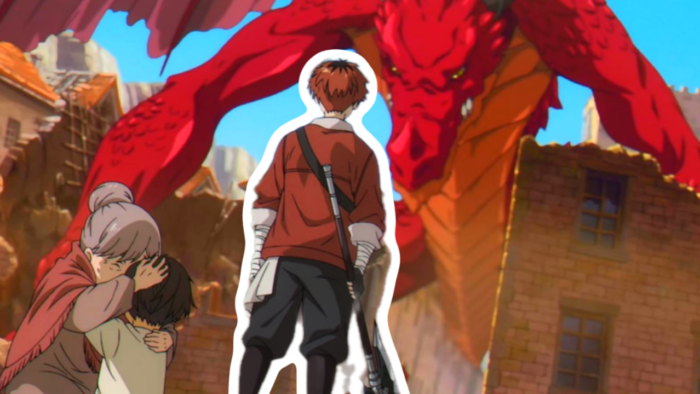
Stark’s introduction immediately subverts expectations. He is presented as the “hero” protecting a village from a Solar Dragon, yet everything about his behavior suggests doubt rather than confidence. He hesitates. He panics. He second-guesses himself. The show does not hide this fear or rush past it—it lingers there, letting the audience sit with it.
And then Stark goes out anyway.
This moment sets the tone for his entire arc. Courage in Frieren is not portrayed as fearlessness, but as responsibility. Stark does not fight because he believes he will win. He fights because the people behind him have no one else. That distinction reframes heroism as obligation rather than destiny, and Stark embodies that idea more clearly than anyone else in the series.
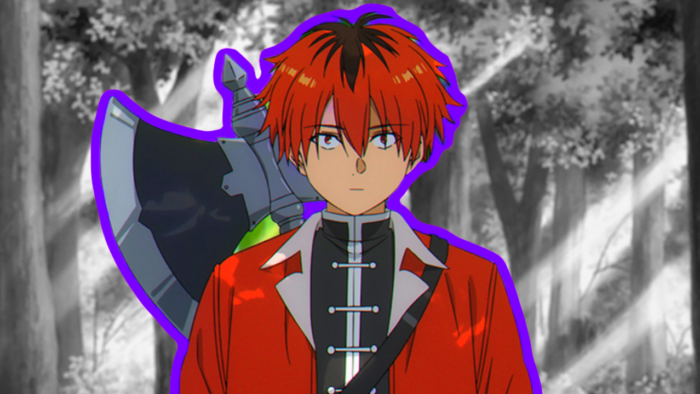
Strength Without Ego
Physically, Stark is one of the strongest characters in the story. He trained under Eisen, one of the legendary heroes of the past, and his raw power is never in question. What Frieren avoids, however, is turning that strength into swagger.
Stark’s past with Eisen is marked by emotional distance and unresolved guilt. His training was not simply demanding—it was overwhelming. The scars he carries are reminders not just of battle, but of pressure and feeling inadequate in the shadow of someone greater. Even Eisen later acknowledges that Stark’s potential frightened him.
As a result, Stark’s power feels earned rather than decorative. It is tied to discomfort, growth, and pain rather than natural talent or confidence, keeping his character grounded and believable.
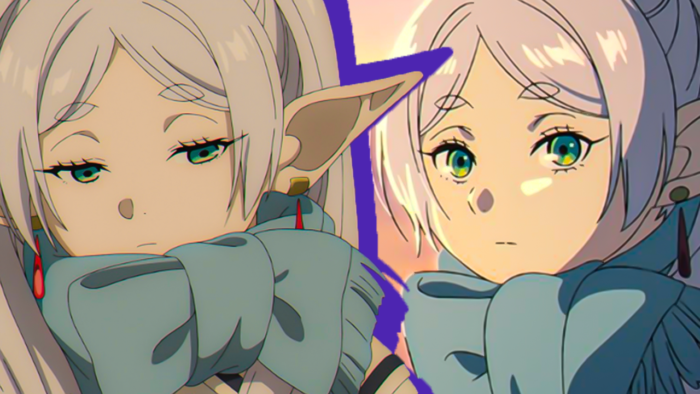
Winning by Endurance, Not Flash
Nowhere is Stark’s character better illustrated than in his battle against Linie during the Aura arc. Linie copies techniques and fighting styles Stark recognizes from Eisen. Stark is beaten down, overwhelmed, and repeatedly knocked to the ground.
He wins anyway.
Not through a sudden power-up or clever trick, but through endurance. He keeps standing back up. He keeps fighting. The lesson Eisen taught him—to last longer than the enemy—becomes the deciding factor.
It is a victory that fits Stark perfectly. He does not conquer fear; he carries it with him and moves forward regardless.
Kindness as a Core Trait
Outside of combat, Stark is consistently gentle. He is polite to strangers, protective of villagers, and especially considerate toward children. These traits are not played for humor or treated as contradictions to his role as a warrior.
In a series that values quiet moments as much as major battles, Stark’s kindness gives his strength purpose. When he fights, it does not feel driven by pride or ambition, but by a desire to protect ordinary life.
Emotional Awkwardness, Treated Seriously
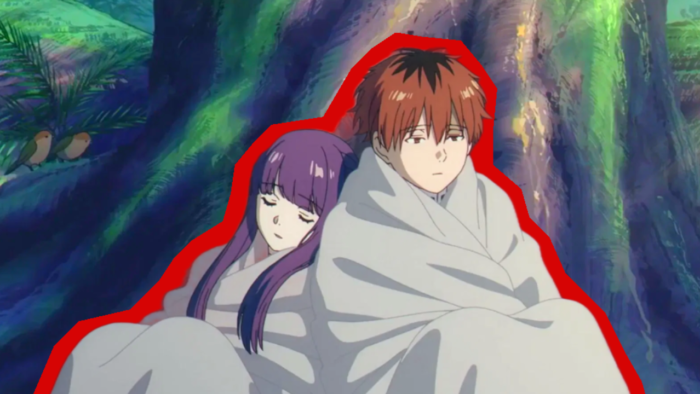
Stark’s dynamic with Fern adds another layer to his appeal. Where Fern is composed and disciplined, Stark is openly awkward. He overthinks, worries, and tries—sometimes clumsily—to do the right thing.
A small but telling moment comes when Stark admits he spent hours choosing a birthday gift for Fern. The series does not mock him for this. Instead, it treats the effort itself as meaningful. Stark is not confident or smooth, but he is sincere, and sincerity carries real weight in Frieren.