
As 2025 came to a close, the anime industry found itself at a clear inflection point. Rather than being defined by blockbuster sequels or long-awaited returns, the year stood out for the strength of new voices, original adaptations, and a noticeable shift in how anime looks, feels, and tells stories.
For longtime viewers, the year carried a sense of transition. Several major franchises reached their conclusions, while a growing number of first-season series and standalone projects demonstrated that the future of anime may be less about legacy brands and more about creative risk.
A Major Era Comes to an End
Nothing symbolized this shift more than the conclusion of My Hero Academia, which wrapped up its anime run after nearly a decade. Since its debut, the series had maintained a rare level of consistency, delivering new seasons almost every year and shaping an entire generation’s understanding of modern battle shōnen.
The final season drew strong viewership and emotional engagement, but it also highlighted the challenges of concluding a long-running story. While character arcs — particularly those centered on Izuku Midoriya, All Might, and Katsuki Bakugo — were widely praised, criticism emerged around pacing and unresolved narrative threads. The ending ultimately reflected both the strengths and limitations of a franchise that had grown exceptionally large over time.
Still, its conclusion marked more than the end of a single series. It signaled the gradual passing of an era shaped by titles inspired by earlier giants such as Naruto, Bleach, and Dragon Ball — all of which had already faded from weekly television.

New Stories Take Center Stage
If 2025 felt quieter in terms of returning mega-hits, it was louder than ever in originality. Many of the year’s most talked-about titles were first seasons, short adaptations, or experimental projects — often helmed by younger creators or mangaka early in their careers.
One of the clearest examples came from Tatsuki Fujimoto, whose animated anthology of short stories showcased a level of creative range rarely seen in mainstream releases. Rather than repeating the tone or structure of Chainsaw Man, the collection explored drastically different genres, moods, and narrative ideas, reinforcing Fujimoto’s reputation as one of the medium’s most unpredictable voices.
Meanwhile, international productions continued to gain legitimacy alongside Japanese releases. To Be Hero X, a Chinese donghua series, stood out for its ambition — blending multiple animation styles, rotating protagonists, and unconventional storytelling structures. Its success highlighted growing competition in the animation space and suggested that innovation increasingly thrives at the intersection of cultures.
Rising Visual Standards Across the Industry
Beyond storytelling, 2025 reinforced a trend that has been building for years: anime’s visual baseline is now extraordinarily high. Across television and film, studios pushed compositing, color design, and experimental animation techniques further into the mainstream.
This was particularly evident in theatrical releases. Chainsaw Man – The Movie: Reze Arc demonstrated how well a cinematic format can work when paired with the right arc. The film’s vivid color palette, dynamic action, and confident direction distinguished it from the television series while maintaining narrative clarity — a balance that anime films have historically struggled to achieve.
At the same time, rotoscoping and hybrid animation techniques appeared more frequently, not as stylistic novelties but as deliberate storytelling tools. Sports and psychological dramas in particular benefited from this approach, using realistic motion to emphasize physical strain, hesitation, and emotional nuance.
A Broader Definition of Popularity
Another defining feature of 2025 was the widening gap between what dominates headlines and what resonates most deeply with viewers. While large franchises continued to attract attention, many of the year’s most critically admired works were quieter, shorter, or more experimental.
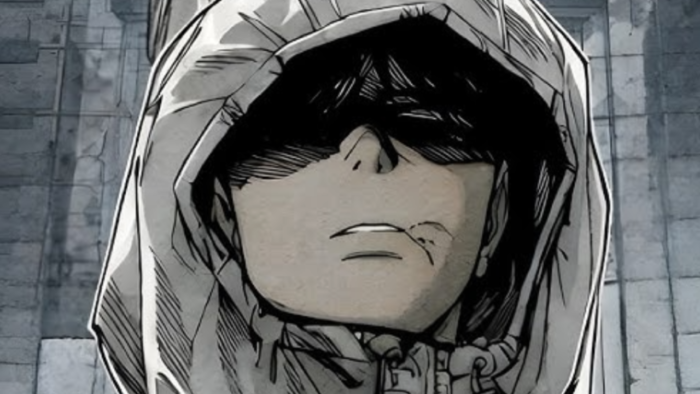
Shows like The Summer Hikaru Died found success through atmosphere and direction rather than spectacle, leaning into slow pacing and visual unease. Meanwhile, tightly written limited series such as Takopi’s Original Sin demonstrated how concise storytelling can leave a lasting emotional impact without overstaying its welcome.
These projects reflected a growing appetite for variety — and a willingness from audiences to engage with stories that do not fit traditional genre expectations.
Looking Forward
By the end of 2025, one thing was clear: anime is no longer defined by a single dominant style or genre. As long-running titles conclude and new creators step forward, the medium is expanding outward rather than narrowing inward.
Rather than replacing one flagship series with another, the industry appears to be entering a phase where multiple voices coexist — across countries, formats, and storytelling approaches. If 2025 represented a handoff between generations, it did so not with nostalgia, but with confidence in what comes next.
For viewers, that may be the most encouraging development of all.