Blizzard Entertainment is preparing to launch World of Warcraft: Midnight, the next major expansion for its long-running online role-playing game, on March 2, 2026. The expansion represents the eleventh major release in the franchise and serves as the second chapter in Blizzard’s multi-year narrative arc known as the Worldsoul Saga.
Following the events of The War Within, Midnight centers on an escalating conflict between the forces of Light and the Void, placing renewed focus on Azeroth’s northern regions and the long-teased return to Quel’Thalas, homeland of the blood elves.
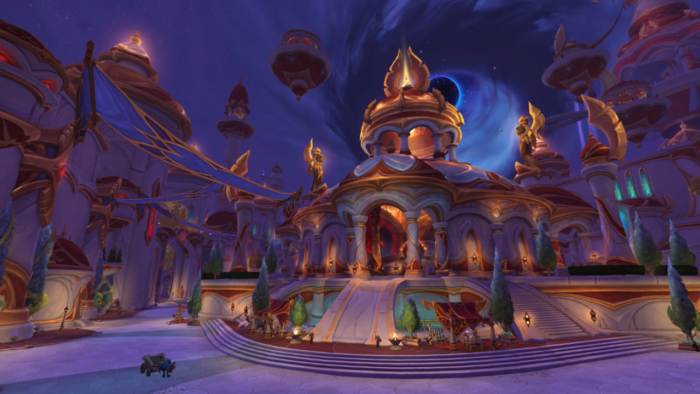
A Return to Familiar Lands With New Stakes
The expansion’s story brings players back to reimagined versions of Silvermoon City and Eversong Woods, alongside new and updated zones tied to the growing influence of the Void. At the center of the narrative is Xal’atath, an ancient and increasingly prominent antagonist whose actions threaten to destabilize Azeroth on a global scale.
Blizzard has described Midnight as a more tightly connected sequel to its predecessor than previous expansions, with character arcs, world events, and faction conflicts carrying directly forward rather than resetting with a new setting.
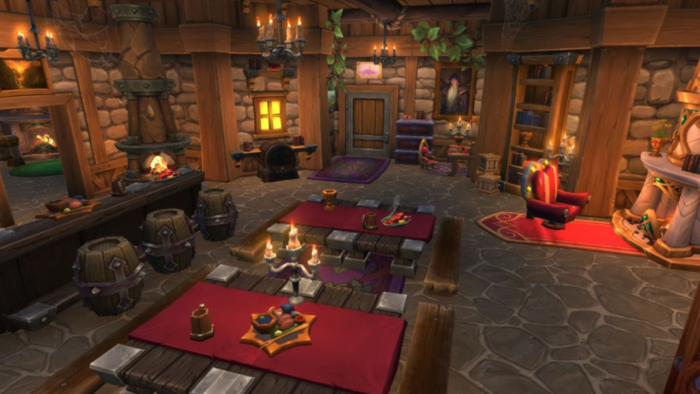
Player Housing Arrives in World of Warcraft
One of Midnight’s most notable additions is player housing, a feature long requested by the community but previously absent from World of Warcraft. The system allows players to acquire customizable homes within shared neighborhoods, decorate interiors using items earned through gameplay, and participate in social activities tied to housing districts.
Players who pre-purchase the expansion have already begun receiving early access to housing systems ahead of the full launch, allowing Blizzard to gather feedback and iterate before March.
Gameplay and System Updates
In addition to housing, Midnight introduces several core gameplay changes. Demon Hunters gain access to a new Devourer specialization, expanding the class’s combat options through Void-based abilities and a revised playstyle. The expansion also continues Blizzard’s recent efforts to modernize the game’s interface, progression pacing, and accessibility options.
Endgame content includes new dungeons, raids, and Delves, a system designed to offer scalable challenges for solo players and small groups. Blizzard has positioned Delves as a bridge between casual play and traditional group-focused endgame activities.
Pre-Launch Updates and Community Response
A pre-expansion update released earlier this year introduced many of Midnight’s underlying systems, including class changes and interface improvements. As with previous expansions, the pre-patch period has not been without technical issues, though Blizzard has been issuing regular fixes in the weeks leading up to launch.
Community reaction has been cautiously optimistic. While some players remain skeptical following mixed reception to past expansions, features like housing and the renewed narrative focus have generated renewed interest among long-time subscribers and returning players.
Looking Ahead
As World of Warcraft approaches its third decade, Midnight represents Blizzard’s effort to balance nostalgia with modernization. By returning to iconic locations while introducing long-requested systems, the expansion aims to reinforce the game’s identity while addressing longstanding player feedback.
Whether Midnight succeeds in sustaining that momentum will become clear after its March launch, but it already stands as one of the most closely watched chapters in the game’s recent history.