Hytale’s second major update is important not because it added one flashy feature, but because it quietly reshaped how the game is meant to be played. Before this patch, Hytale felt like a promising sandbox still finding its footing. After Update 2, it feels more deliberate, more structured, and much clearer about what kind of experience it wants to become.
This update did not reinvent the game overnight. Instead, it adjusted several core systems at once, and together those changes altered the rhythm of progression, exploration, and combat in ways players notice almost immediately.
A Shift From Experimentation to Structure
Early versions of Hytale leaned heavily on freedom. Players could move quickly through progression, access strong resources early, and experiment without much resistance. That freedom was fun, but it also made the game feel loose, like systems existed side by side rather than supporting one another.
Update 2 tightens that loop. Progression now asks more of the player, but it also gives clearer feedback in return. Mining, crafting, combat, and exploration are no longer isolated activities. They feed into each other in a more intentional way.
Mining and Progression Now Have Weight
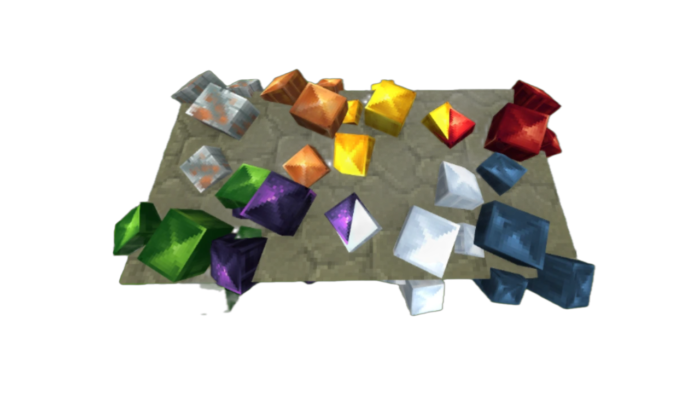
One of the biggest changes comes from the mining overhaul. High-tier ores can no longer be accessed with early tools. Players need specific pickaxe tiers to harvest stronger materials, which slows early progression but makes advancement feel earned.
This does two things at once. It prevents players from skipping large sections of the game, and it gives meaning to upgrades that previously felt optional. Finding better tools matters because they unlock new parts of the world rather than just speeding up what you were already doing.
As a result, exploration feels more purposeful. Players are encouraged to move outward instead of downward, seeking biomes, enemies, and challenges that naturally lead to better gear.
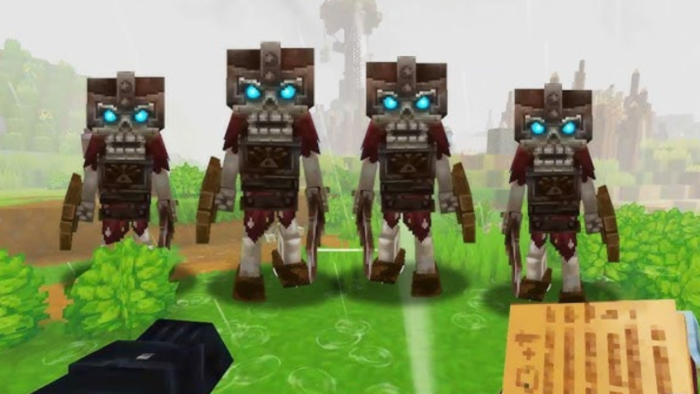
Necromancy Changes Combat
The addition of the Necromancy Grimoire is one of the most talked-about features, but its importance is often misunderstood. This is not a full magic system, and it is not meant to be. Instead, it introduces controlled complexity into combat.
Summoning skeletal minions gives players new options without removing risk. Minions are limited, temporary, and situational. They support existing combat rather than replacing it. This makes encounters feel more flexible while still keeping player skill relevant.
More importantly, necromancy signals direction. It shows how future systems might layer onto combat without overwhelming it. Players now have a glimpse of how Hytale can expand mechanically while staying readable and balanced.
World Generation Encourages Movement
Update 2 also changes how the world itself behaves. Resource distribution has been reworked so that ores and materials appear in more varied and logical patterns. Instead of repeating predictable layouts, underground areas now reward exploration and adaptation.
This matters because it pushes players to interact with the world rather than strip-mine it. You are no longer just digging until you hit something useful. You are learning where to look, when to move on, and how different regions support different goals.
That change alone makes the world feel less like a backdrop and more like an active participant in progression.
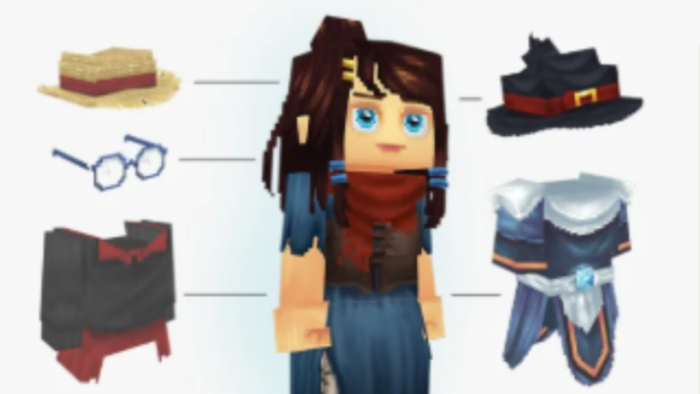
Quality of Life Changes Smooth the Experience
Alongside the larger systems, Update 2 brings smaller changes that improve how the game feels moment to moment. Inventory management is smoother. Customization is more flexible, with armor visibility options allowing players to keep their preferred look without sacrificing stats.
Enemy drops, creature behavior, and environmental interactions have been adjusted to feel more consistent. None of these changes are dramatic on their own, but together they reduce friction. The game asks for more structure now, and these improvements make that structure easier to live with.
What This Update Really Signals
The most important part of Update 2 is not any single feature. It is the message it sends about Hytale’s future. This update shows a shift away from loose experimentation and toward intentional design.
Hytale is no longer just a sandbox full of ideas. It is becoming a game with rules that support creativity instead of replacing it. Progression has direction. Systems connect. New mechanics are introduced carefully rather than all at once.
For players, this means the game feels more reliable. Time invested now feels like it matters because systems are less likely to be undone or ignored later. For the long term, it suggests that Hytale is being built to grow steadily rather than expand chaotically.
Update 2 does not make Hytale finished, and it does not need to. What it does is establish a foundation. One where exploration, progression, and experimentation can coexist without stepping on each other. That foundation is what turns early access from a waiting room into a place worth settling into.
If Hytale continues updating at this pace and with this level of focus, this patch may be remembered as the moment the game stopped feeling like a concept and started feeling like a world.