One of the reasons Gravity Falls never fades from conversation is simple: it ends exactly when it should. No dragging. No rushing. No wasted time. Every episode feels like it belongs, and by the time the finale hits, it feels earned instead of overdue.
That kind of pacing is rare, especially in animation, and Gravity Falls achieves it by knowing what story it wants to tell and refusing to outstay its welcome.
It Starts Small on Purpose
The early episodes of Gravity Falls feel light, almost casual. Monster-of-the-week plots, jokes about summer boredom, and strange town mysteries ease viewers into the world without demanding immediate investment.
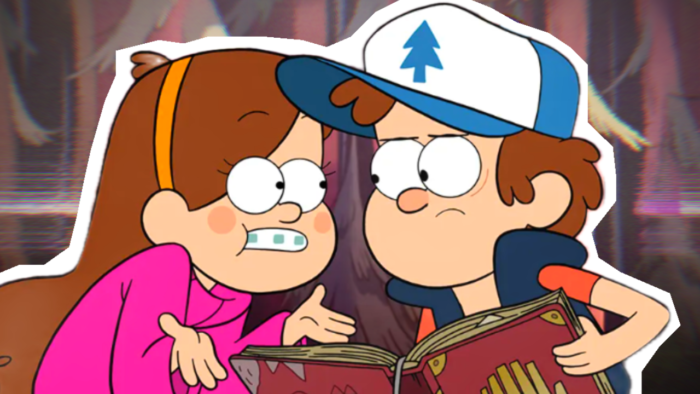
But this isn’t filler. These episodes quietly establish rules, tone, and character dynamics. You learn how Dipper thinks, why Mabel copes with optimism, and how the town of Gravity Falls operates long before the larger story shows its hand.
Because of this slow start, nothing feels rushed later. The foundation is already there when the stakes rise.
Every Episode Adds Something New
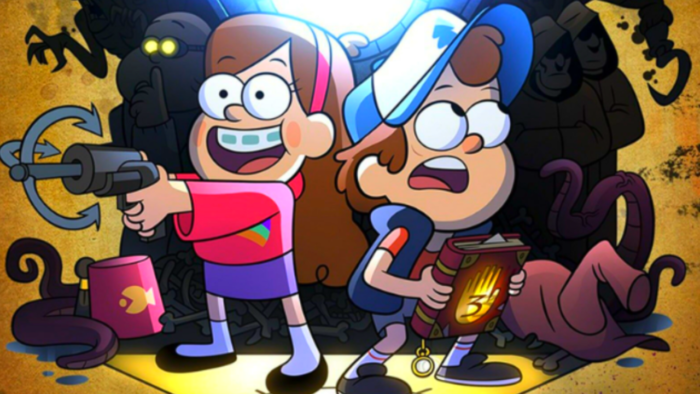
One of the biggest reasons the pacing works is that very few episodes exist just to exist. Almost every episode either:
- Introduces a new piece of lore
- Deepens a character relationship
- Plants a detail that matters later
Even episodes that feel silly on the surface often contain clues, symbols, or emotional beats that pay off down the line. This makes rewatches rewarding and prevents the middle of the series from feeling stagnant.
The story is always moving forward, even when it doesn’t look like it is.
The Mystery Grows at the Right Speed
Gravity Falls never dumps its biggest questions all at once. Instead, it lets curiosity build naturally. The journals, the symbols, and the town’s secrets are revealed slowly enough to keep viewers guessing but fast enough to stay engaging.
Each answer leads to a bigger question. Each reveal raises the stakes just a little more. By the time the full scope of the mystery is clear, the audience is already invested enough to follow it anywhere.
That balance keeps the show tense without being overwhelming.
Character Growth Matches the Story’s Pace
The pacing doesn’t just apply to plot — it applies to people. Dipper’s confidence, Mabel’s emotional maturity, Stan’s secrets, and even the town’s shifting dynamics all evolve alongside the mystery.
No character changes overnight. Growth feels gradual and believable, which makes emotional moments hit harder when they arrive. When characters make big decisions, they feel earned because the show took time to get there.
This prevents the story from feeling rushed or emotionally hollow.
It Knows When to Turn Serious
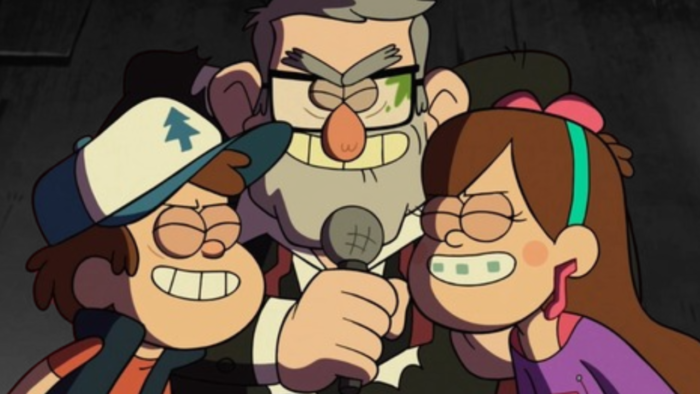
When Gravity Falls decides to get dark, it doesn’t hesitate — but it also doesn’t overdo it. The tonal shift toward the later episodes feels natural because the groundwork was laid early.
Humor never disappears, but it becomes sharper. Threats feel real without abandoning the show’s identity. The pacing tightens as the stakes rise, mirroring the characters’ loss of control over the situation.
By the time the final arc begins, the show is moving fast — but it feels right, not frantic.
It Ends Without Dragging the Story Out
Perhaps the most important pacing decision Gravity Falls made was choosing to end. The creators knew how the story would finish and structured the entire series around that conclusion.
There’s no padding to extend the mystery. No extra seasons to dilute the impact. The finale resolves the central conflict, completes character arcs, and leaves room for reflection rather than exhaustion.
Because it stops when it does, the entire series feels intentional.