There’s something special about a reboot that doesn’t rush to remind you why you loved the original. Trigun Stargaze takes its time, and in its first two episodes, it feels less like a restart and more like a quiet continuation — the kind that assumes you’ve lived a little since the last time you heard the name Vash the Stampede.
That patience shows immediately in the way the world is presented.
A World That Never Really Moved On
Episode 1, Wandering Days, opens in a setting that still feels bruised by the destruction of Lost July. The city is gone, but the weight of it hasn’t faded. People still talk about what happened in hushed tones, and Vash’s name carries more fear than myth now. This isn’t a world waiting for a hero. It’s a world trying to survive what already happened.
And somewhere inside that world is Vash himself, trying to do the same.
Vash Isn’t Gone — He’s Just Tired
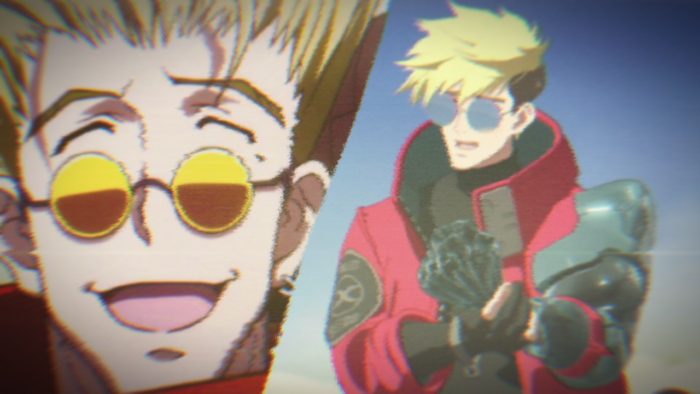
When we finally meet Vash again, he isn’t standing tall or cracking jokes. He’s hiding under the name “Eriks,” working small jobs in a quiet town, keeping his head down, and doing everything he can to stay invisible. It doesn’t feel like cowardice. It feels like exhaustion.
This version of Vash isn’t running from danger. He’s running from the idea that his presence makes things worse, and that belief quietly defines everything he does next.
Familiar Faces Return With More Weight Than Nostalgia
Meryl Stryfe and Milly Thompson return, but they don’t feel like callbacks. They feel older, sharper, and shaped by years of reporting on conflict instead of chasing stories. Their search for Vash isn’t driven by excitement or admiration. It’s driven by unresolved questions and a sense that something important was left unfinished.
Their return gently pulls Vash back toward the world he’s been avoiding, which leads directly into the emotional heart of Episode 2.
Episode 2 Stops Avoiding the Hurt
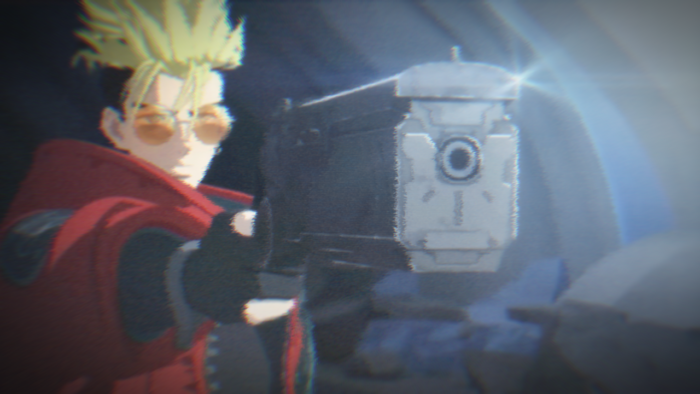
Unforgiven doesn’t explode into action. Instead, it leans in. Vash’s quiet life is interrupted, not by a villain, but by memory and responsibility. Conversations hit harder than bullets. Silences linger longer than they usually do in anime, and you can feel the weight of everything Vash hasn’t said out loud.
This episode makes it clear that the real conflict isn’t about whether Vash can fight again — it’s about whether he believes he deserves to stand back up at all.
A Show That Trusts You to Feel It
What really makes Trigun Stargaze stand out is how much it trusts its audience. It doesn’t overexplain. It doesn’t rush to spectacle. The animation focuses on posture, hesitation, and quiet moments. The music knows when to step back. When violence appears, it feels heavy instead of exciting.
That restraint gives the story room to say something deeper, which is where this reboot really starts to shine.
A Trigun That Grew Up With Its Fans
The themes that defined the original Trigun are still here — mercy, pacifism, and the cost of survival — but they’ve aged. They aren’t ideals anymore. They’re scars. Watching Stargaze feels like revisiting an old story and realizing it understands you better now than it did back then.
That emotional maturity makes the show feel sincere instead of nostalgic.
Why This Is the Right Kind of Reboot
If you loved Trigun, Stargaze doesn’t try to replace it. It talks to it. And if you’ve never seen Trigun before, this version doesn’t lock you out — it welcomes you in with emotion instead of lore.
By the end of Episode 2, it’s hard not to feel invested. Not because something huge happened, but because something honest did. Trigun Stargaze feels like a story that knows exactly what it wants to be, and that confidence makes you want to keep watching to see where it goes next.