Every year, the gaming world is filled with announcements. Trailers drop, excitement spikes, and most of it fades within days. Yet some events do more than create noise. The Future Games Show 2026 has quietly become one of the most trusted ways to see where gaming is truly headed.
Instead of chasing quick hype, the show focuses on ideas built to last, which is why it continues to grow in importance.
A Gaming Showcase Built for a Digital World
The Future Games Show is a global, digital gaming showcase that highlights upcoming video games from across the industry. Because it is streamed online and free to watch, it reaches players everywhere at the same time.
What makes the event stand out is its balance. Large publishers share the spotlight with indie developers, allowing creative ideas to appear next to major releases. This mix gives viewers a clearer picture of where the gaming industry is moving, not just what is trending for the moment.
As the audience grew, the format evolved.
Why 2026 Became a Turning Point
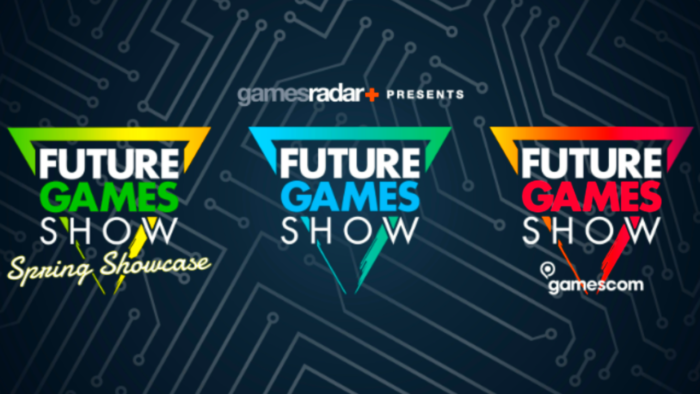
In 2026, the Future Games Show expanded into six showcases spread throughout the year. This change reshaped how video game announcements are delivered.
Instead of one crowded event, developers now have multiple opportunities to share progress, reveal gameplay, and explain their vision. For players, this means fewer rushed trailers and more meaningful updates that show how games develop over time.
This approach also created a natural rhythm for the year.
How the Future Games Show Is Structured
The year begins with the Spring Showcase, which often introduces new projects and early concepts. These presentations give players a first look at games still taking shape.
The Summer Showcase follows during the busiest period in gaming news. This event usually features more polished gameplay and clearer release plans, making it one of the most watched moments of the year.
Later, the gamescom Showcase highlights international developers and creative projects that may not normally receive global attention. Between these main events, smaller “Live From” shows offer extended gameplay and developer insights.
As this structure settled in, viewership continued to rise.
A Global Audience With Real Impact
The Future Games Show now reaches tens of millions of viewers worldwide. Hundreds of upcoming video games are featured each year, many of which gain long-term attention after appearing during the event.
For indie studios, this exposure can be game-changing. A single appearance can lead to increased wishlists, media coverage, and a growing community well before launch.
Accessibility plays a big role in that reach.
Where Gamers Watch the Show
The Future Games Show streams across major platforms, including YouTube, Twitch, X, Facebook, TikTok, and GamesRadar+. By meeting players where they already spend time, the event removes barriers and keeps the focus on the games themselves.
This ease of access also makes the show appealing to developers.
Why Developers Trust the Future Games Show
Developers choose the Future Games Show because it gives them time to explain their work. Instead of fast-cut trailers, creators can talk about gameplay systems, story ideas, and long-term goals.
This clarity helps players understand what a game actually is, building trust and reducing confusion. Games are presented as evolving projects, not finished promises.
Over time, this approach has made the show evergreen.
Why the Future Games Show Remains Relevant
The Future Games Show reflects how modern gaming works. Digital showcases are no longer replacements for physical events — they are the main stage.
The show regularly highlights:
- New genres before they become popular
- Creative risks from indie developers
- Changes in game storytelling
- Long-term gaming industry trends
Many games that later become fan favorites were first revealed quietly during a Future Games Show.
What This Means for Gamers in 2026 and Beyond
For gamers, the Future Games Show acts as a guide through the noise. It helps players identify which upcoming video games are worth watching and which ideas may shape the future of gaming.
As the industry continues to grow, the Future Games Show is no longer just reporting on what’s next. It is helping define it.