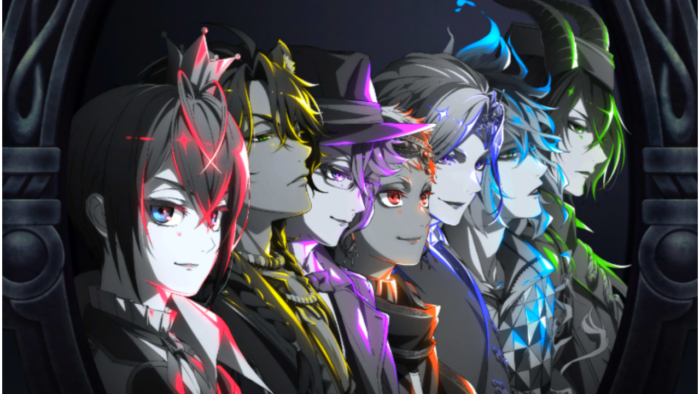
Disney Twisted-Wonderland is a fantasy franchise that reimagines classic Disney villain themes through a darker, anime-inspired narrative. Originally launched as a mobile game, the series has expanded into manga, animation, and music, building a strong global fanbase along the way.
Rather than focusing on heroes and happy endings, Twisted-Wonderland centers on character psychology, ambition, and the pressure of expectation. This emotional focus gives the series a distinct identity and sets it apart from both traditional Disney stories and standard fantasy anime.
The Creative Origins of Twisted-Wonderland
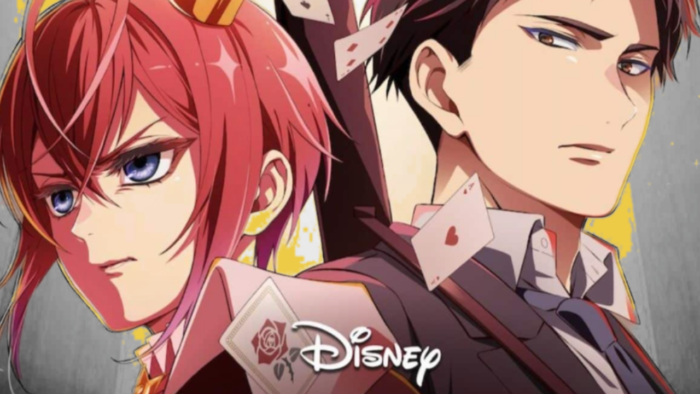
Disney Twisted-Wonderland was developed by Aniplex in collaboration with Walt Disney Japan, with creative direction by Yana Toboso, the creator of Black Butler. Toboso’s influence is evident in the series’ gothic tone, elegant character designs, and emphasis on internal conflict.
From the beginning, the project was designed to reinterpret Disney villains rather than replicate them. Instead of clear heroes and villains, the story explores how traits like pride, obsession, and ambition affect young characters still shaping their identities.
The World of Night Raven College
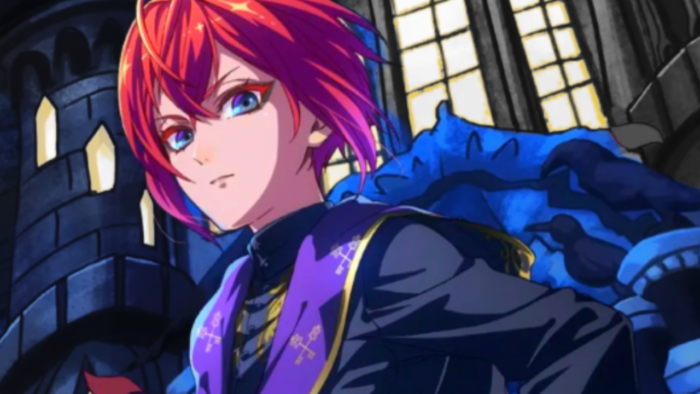
The story begins when the protagonist, commonly referred to as Yuu, is transported into another world through a magical mirror. Stranded without magical abilities, Yuu enrolls at Night Raven College, an elite academy for magic users.
Night Raven College serves as more than a setting. It is a structured environment filled with rivalry, tradition, and unspoken pressure. As Yuu navigates daily life at the school, they become closely involved with students whose struggles reflect the expectations placed upon them.
Dormitories Inspired by Disney Villains
Night Raven College is divided into seven dormitories, each inspired by a classic Disney villain. These inspirations shape not only visual design but also philosophy, leadership, and interpersonal conflict.
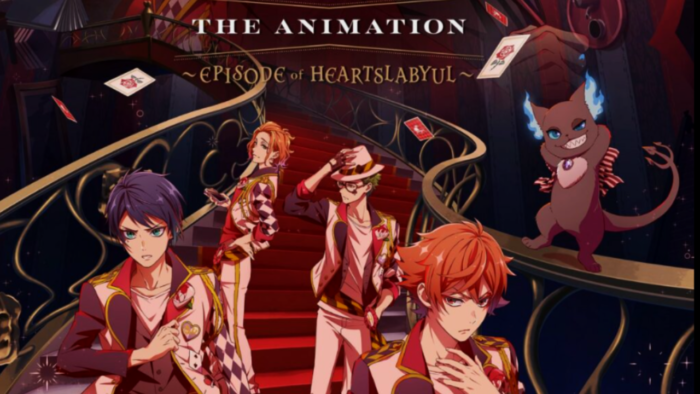
Heartslabyul draws from the Queen of Hearts and values strict rules and order.
Savanaclaw is inspired by Scar and emphasizes strength and dominance.
Octavinelle reflects Ursula’s focus on deals and influence.
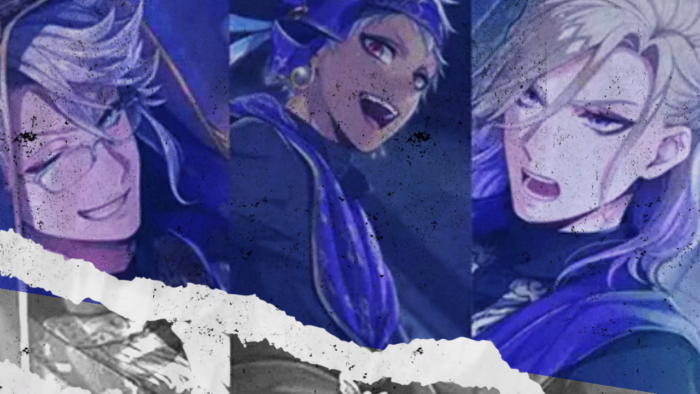
Scarabia takes inspiration from Jafar and centers on control and ambition.
Pomefiore mirrors the Evil Queen’s obsession with beauty and perfection.
Ignihyde channels Hades and represents isolation and intellect.
Diasomnia reflects Maleficent and embodies ancient power and restraint.
Rather than creating villains outright, the series shows how these ideals can become harmful when taken to extremes.
Gameplay and Story Progression
In its original mobile game format, Disney Twisted-Wonderland combines story chapters with lessons, exams, and turn-based battles. Characters improve through training, unlocking new scenes that deepen their personalities and relationships.
The gameplay exists to support the narrative. Each major story arc focuses on a dormitory and builds toward moments where emotional strain leads to magical consequences. These climactic moments highlight the series’ core message about balance, responsibility, and emotional control.
Core Themes and Emotional Depth
One of the defining strengths of Twisted-Wonderland is its thematic depth. The story frequently explores burnout, identity, and fear of failure. Characters are praised for talent but rarely given space to rest or recover.
This emotional honesty is why the series resonates with older audiences. Beneath the fantasy setting, the story reflects real experiences related to pressure, expectation, and self-worth.
Manga and Anime Adaptations
The success of the game led to multiple manga adaptations that retell and expand upon key story arcs. These versions allow for deeper character introspection and additional context that complements the original narrative.
The franchise later expanded into animation with Disney Twisted-Wonderland: The Animation. The anime adapts the story into a linear format with a fixed protagonist, allowing for stronger continuity and visual storytelling while preserving the emotional core of the series.
Music, Visual Style, and Atmosphere
Music plays a central role in shaping the identity of Twisted-Wonderland. Orchestral themes, dorm songs, and character tracks reinforce emotion and personality throughout the story.
Visually, the franchise is known for refined character designs, symbolic color palettes, and detailed uniforms. Every aesthetic choice supports the atmosphere, creating a cohesive world that feels intentional and immersive.
Why Disney Twisted-Wonderland Remains Popular
The enduring popularity of Disney Twisted-Wonderland comes from its character-focused storytelling. By reimagining Disney villain concepts through emotional realism, the series creates stories that feel personal rather than performative.
Fans are drawn to the vulnerability of the characters and the sincerity of their struggles. This emotional connection allows the franchise to thrive across multiple formats without losing its identity.
Final Thoughts
Disney Twisted-Wonderland stands as a unique fusion of Disney mythology and anime storytelling. Through strong worldbuilding, layered characters, and meaningful themes, it offers an experience that feels both familiar and refreshingly different.
Rather than retelling old stories, Twisted-Wonderland examines the pressures that shape people and the consequences of losing balance. That focus is what makes the franchise compelling, memorable, and evergreen.