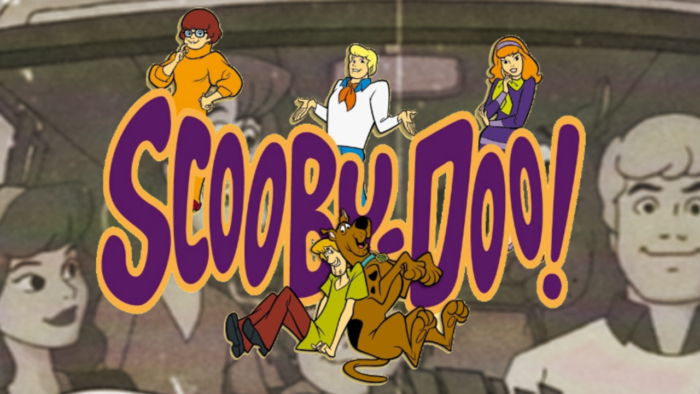
For more than five decades, Scooby-Doo has reinvented itself again and again. New art styles, new tones, new formats — sometimes even new rules. Some versions faded quickly. Others left a permanent mark on the franchise.
Ask fans what truly defines Scooby-Doo, and a clear pattern emerges. Across forums, polls, ratings, and long-running discussions, the same titles continue to rise to the top. These are not just popular entries — they are the ones fans return to, defend, and measure everything else against.
Taken together, these five creations represent the very best the Scooby-Doo universe has ever offered.
Scooby-Doo! Mystery Incorporated (2010–2013)
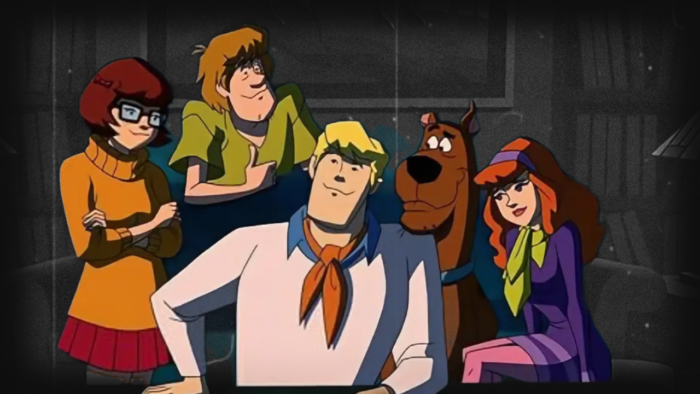
Among modern fans, Scooby-Doo! Mystery Incorporated is often regarded as the franchise at its creative peak. Rather than resetting each episode, the series committed to long-form storytelling, weaving an overarching mystery across two full seasons.
For the first time, characters were allowed to grow and change. Fred, Velma, Daphne, and Shaggy were written as people shaped by their choices, not just archetypes trapped in a formula. The town of Crystal Cove itself became a character, layered with secrets, history, and consequences.
Fans consistently praise the show for respecting Scooby-Doo’s legacy while finally asking what happens when mysteries stop being isolated events and start connecting into something larger. It felt like Scooby-Doo made for viewers who grew up with the franchise — and wanted more from it.
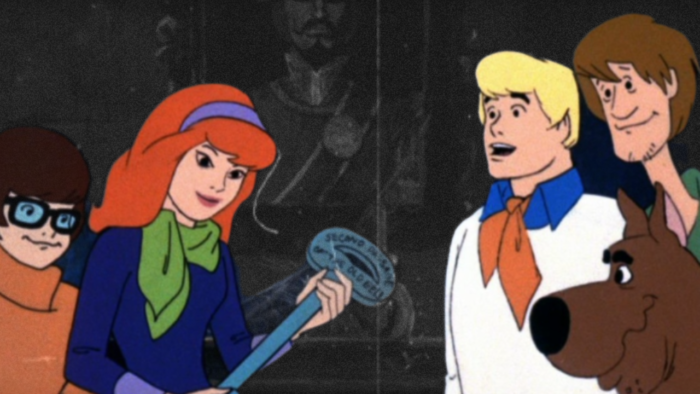
Scooby-Doo, Where Are You! (1969–1970)
Every version of Scooby-Doo traces back to the original. Scooby-Doo, Where Are You! established the formula so completely that it barely needed revision for decades.
The gang, the haunted locations, the unmasking, the chase music — all of it began here. Fans still point to the simplicity of the original series as its greatest strength. There was no excess lore, no complicated mythology, just perfectly paced mysteries built on atmosphere and rhythm.
Even today, many fans argue that no version has ever replicated the eerie charm of those early episodes. It is not simply nostalgic. It is foundational.
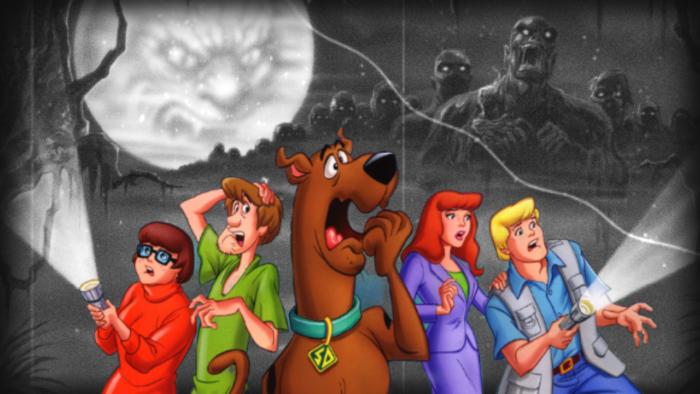
Scooby-Doo on Zombie Island (1998)
If Mystery Incorporated redefined Scooby-Doo for television, Scooby-Doo on Zombie Island did the same for the movies. Released during a period when the franchise was losing momentum, the film took a creative risk that fans still talk about decades later.
For the first time, the monsters were real.
The film introduced a darker tone, genuine danger, and a sense that the mystery might not end with a rubber mask. Fans praise Zombie Island for trusting its audience, blending classic Scooby humor with genuine suspense and emotional weight.
To many, this movie proved that Scooby-Doo could evolve without losing its identity.
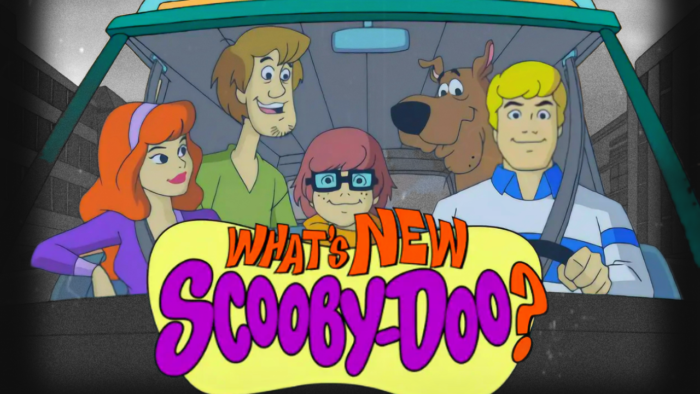
What’s New, Scooby-Doo? (2002–2006)
For an entire generation, What’s New, Scooby-Doo? was their introduction to the franchise. The series modernized the classic formula without dismantling it, updating the animation style, pacing, and music while keeping the structure fans recognized.
Its energetic tone and memorable theme song made it instantly recognizable, but what truly earned fan appreciation was its consistency. Episode after episode delivered solid mysteries without drifting too far from what made Scooby-Doo work in the first place.
Fans often describe it as the perfect bridge between old and new — respectful of the past, but unafraid to feel current.
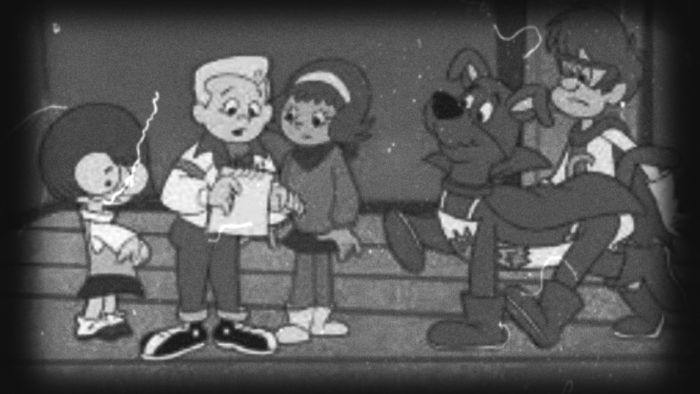
A Pup Named Scooby-Doo (1988–1991)
Often described as the cult favorite, A Pup Named Scooby-Doo embraced exaggeration and comedy more than any other entry. Its bold art style, heightened expressions, and playful tone made it stand out immediately.
Rather than trying to feel spooky or grounded, the series leaned fully into cartoon logic. Mysteries became absurd, characters became larger than life, and humor took priority over suspense.
Fans who love this version often cite its confidence. It knew exactly what it wanted to be, and it never apologized for it.
Why These Five Endure
Across all eras of Scooby-Doo, these five creations share something in common. Each understood the franchise well enough to either perfect the formula or deliberately reshape it.
Mystery Incorporated expanded the story.
Where Are You! defined it.
Zombie Island challenged it.
What’s New, Scooby-Doo? refreshed it.
A Pup Named Scooby-Doo reimagined it.