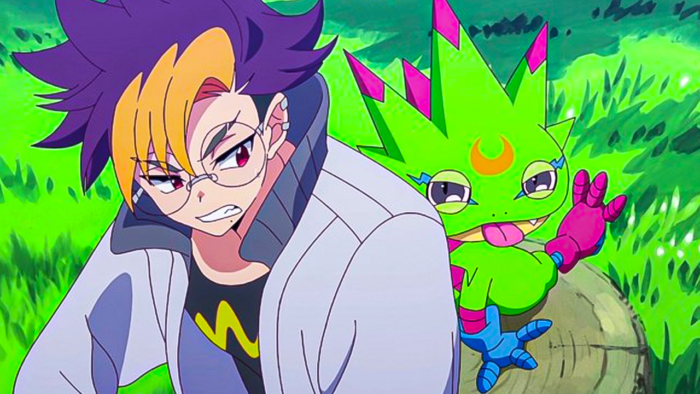
Digimon Beatbreak Episode 11, titled Dark Emotion, is the kind of episode that doesn’t just move the story forward — it leaves a mark. After last week’s big evolution moment, it would’ve been easy for the series to cool off. Instead, Episode 11 goes in the opposite direction, diving headfirst into family trauma, bottled-up anger, and emotional damage that doesn’t get fixed in a single episode.
There’s no hype evolution here. No easy catharsis. Just raw feelings, words you can’t take back, and consequences that hit hard. And honestly, that’s exactly why this episode works so well.
A Quiet Opening That Says Everything About Tomoro
The episode begins on a surprisingly wholesome note. Tomoro gets his first paycheck, and with Asuka’s birthday coming up, he decides to buy his brother a present. It’s a small moment, but it tells us everything we need to know about Tomoro. He’s caring, thoughtful, and still trying to do something good for his family despite everything they’ve been through.
On the way to the hospital, we finally learn more about Tomoro and Asuka’s past. They once lived as a normal family of four, until their parents were arrested by the ministry when Tomoro was only ten years old. From that point on, it was just the two brothers trying to survive. Asuka quit school and even gave up his band dreams to take care of Tomoro, working whatever jobs he could.
This context makes everything that follows hit much harder.
The Red Scarf and the Fight That Changes Everything
One of the episode’s most emotional moments comes from a simple memory: Asuka once gave Tomoro a red scarf. Now, Tomoro wants to return the gesture by buying him one of his own. It’s a quiet, heartfelt callback that shows how much Asuka still means to him.
That’s when things start to fall apart.
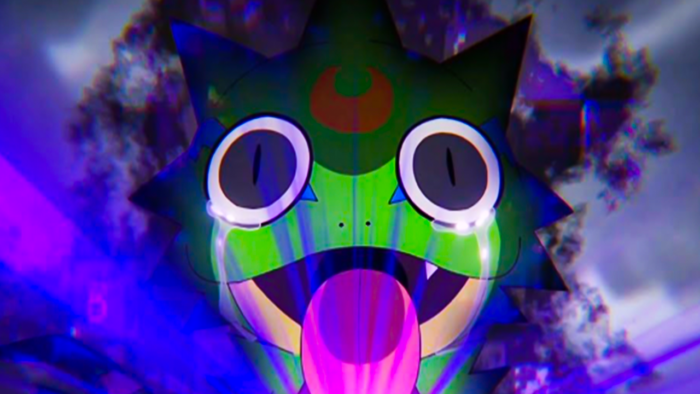
Gekkan ignores Tomoro’s warning about causing attention at the hospital, tears up the scarf at the shop, and pushes Tomoro past his breaking point. What follows isn’t just a Digimon tantrum — it’s the first truly ugly sibling fight we’ve seen in the series.
Because in Digimon Beatbreak, Digimon aren’t just partners. They’re reflections.
Tomoro has been forced to grow up too fast, trying to be responsible while holding everything together. Gekkan represents the part of him that still wants to be cared for, to be spoiled, to rely on someone else. Neither of them knows how to handle that tension, and it explodes in the worst way.
Raremon, Responsibility, and the Breaking Point
When Glowing Dawn is called in to deal with Raremon, tensions are already high. Gekkan charges into battle recklessly, frustrated and desperate to prove he isn’t useless. Tomoro snaps, accusing him of always causing problems, and that’s when the episode delivers its most painful moment.
Tomoro says the words no one should ever say: that since Gekkan was born, everything has been miserable, and that he wishes Gekkan had never existed.
That’s the emotional point of no return.
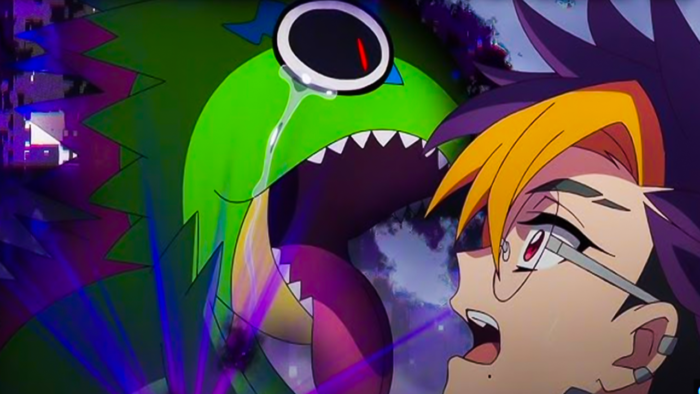
Those black emotions trigger Gekkan’s berserk state once again, leading to a terrifying moment where he nearly attacks Tomoro himself. The scene is chilling not because it’s flashy, but because it feels real. Gekkan stops at the last second, clearly hurt, clearly aware that Tomoro didn’t fully mean it — but unable to forget it.
Goyos Enter the Story and Change the Stakes
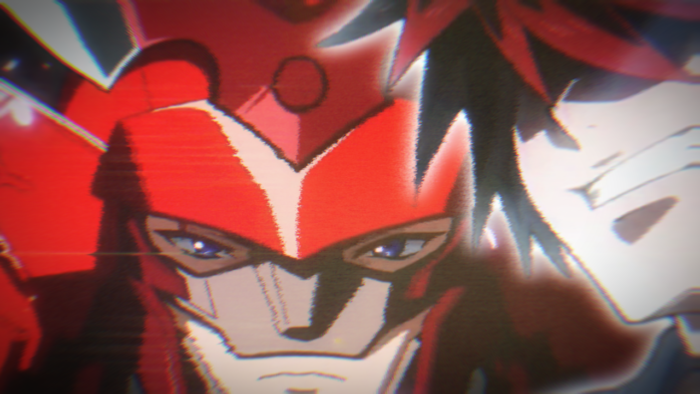
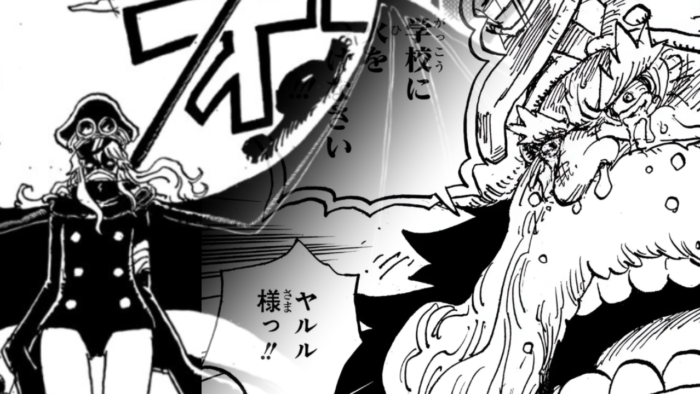
Episode 11 also marks a major shift in the larger story with the arrival of Kaido and the Goyos. Kaido’s Flaremon deletes Raremon in a single hit, immediately establishing how dangerous these characters are. The clash between Flaremon and Murasamon is visually stunning and reinforces the massive power gap between Glowing Dawn and the Goyos.
We also learn crucial information about Kio’s past and his connection to the Goyos, with hints that he may have once been one of them. His decision to bow his head to Kaido to protect his family isn’t weakness — it’s leadership. In that moment, Kio proves why he deserves to lead Glowing Dawn.
No Evolution, No Victory — Just Consequences
The episode refuses to give viewers an easy win. Gekkan doesn’t evolve. Instead, he devolves back into his baby form after the battle, a brutal reminder that emotional growth has to come before power.
Tomoro is left staring at the damage caused by his words, while Kio is severely injured protecting him. The message is clear: charging in blindly isn’t enough. Strength without emotional maturity only leads to more pain.
Digimon Beatbreak Episode 11 isn’t just another episode — it’s a turning point. It proves the series is willing to sit in discomfort, let its characters fail, and make them earn their growth. By ending on a cliffhanger and teasing Episode 12, A New Family, the show makes it clear that real progress won’t come easy.
If Beatbreak continues down this path, it’s shaping up to be one of the boldest Digimon series in years — one that understands that the hardest battles aren’t against monsters, but against yourself.