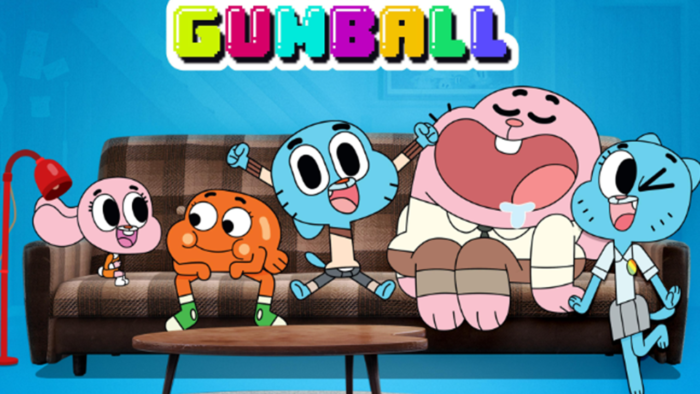
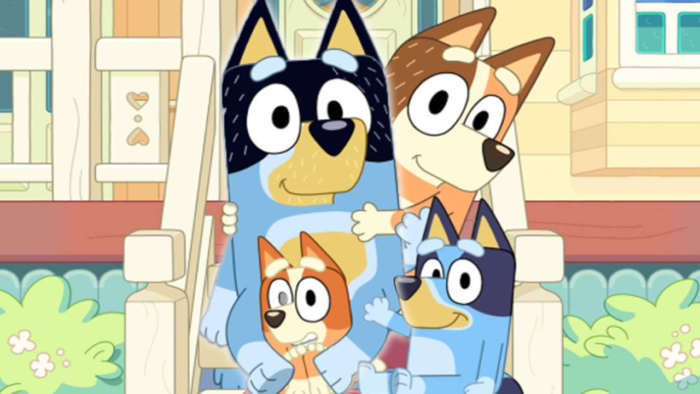
For two decades, children’s TV has been filled with bright colors, fast pacing, and shows built more to sell merchandise than to tell meaningful stories. Then Bluey arrived—quietly, without flashy gimmicks or world-ending stakes—and completely changed the landscape. In just seven-minute episodes, it delivers emotional storytelling, honest humor, and character depth that most live-action shows struggle to achieve.
But the secret to Bluey’s success isn’t just that kids love it. It’s that everyone loves it. Parents, teenagers, older siblings, and even adults with no kids of their own have all latched onto this series. It’s one of the rare children’s shows in the last 20 years that works on every level and for every age.
Here are the three episodes that best prove why Bluey has earned that praise—and why no other modern kids’ cartoon comes close.
1. “Sleepytime” Delivers Emotional Depth That Speaks to All Ages
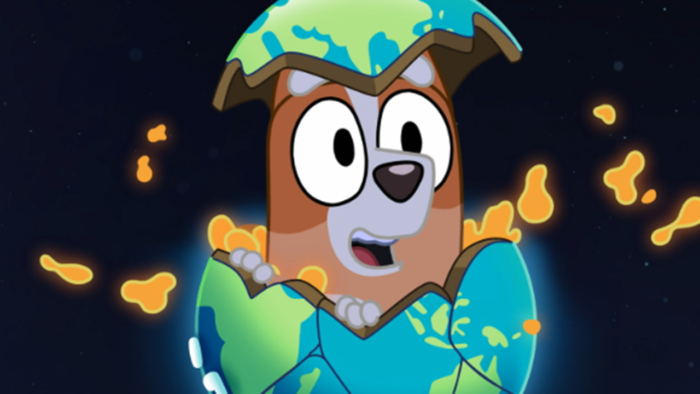
“Sleepytime” isn’t just a standout episode of Bluey—it’s a standout episode of television. The story follows Bingo on a dreamlike journey as she learns to sleep on her own. The visuals are cosmic, the music is cinematic, and the emotional core—Chili whispering, “I’ll always be here if you need me”—lands with remarkable power.
Kids see a magical dream adventure.
Parents see the universal struggle of letting their children grow.
Older viewers see a reflection of their own childhood.
Compare this to typical children’s programming, like Paw Patrol, which focuses on simple missions, or Peppa Pig, which delivers small comedic moments. Bluey is working on a different level entirely. It blends emotional intelligence with imaginative storytelling in a way that resonates across generations.

2. “Baby Race” Understands Parenting—and Growing Up—Better Than Most Dramas
“Baby Race” is a perfect example of Bluey’s ability to speak to multiple audiences at once. Children see a story about babies learning new skills. Parents see a story about pressure, comparison, and the silent fear of not being “good enough.” Older kids and teens see a message about developing at their own pace.
Where shows like Cocomelon rely on repetition and early learning frameworks, Bluey chooses nuance. It shows Chili struggling, learning, and finally accepting that every child grows on their own timeline. It’s an emotional honesty that resonates with anyone who has ever felt behind—or overwhelmed.
Few kids’ shows ever attempt this level of realism. Bluey makes it feel effortless.
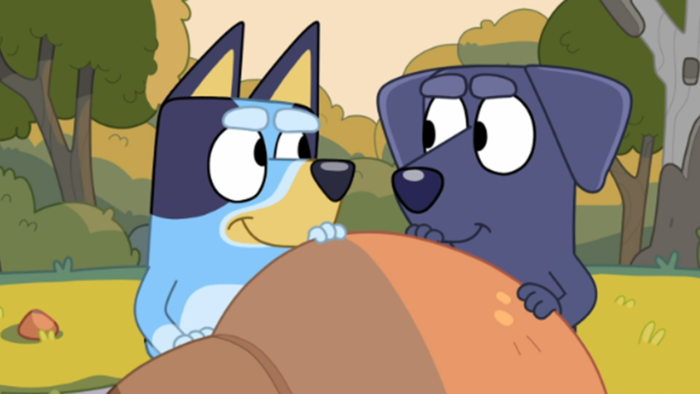
3. “Camping” Shows That Bluey Trusts Viewers—No Matter Their Age
“Camping” is one of the clearest examples of why Bluey works for everyone. Bluey forms a bond with Jean-Luc, and for a moment it feels like the perfect childhood friendship. But then, without warning, he’s gone.
Kids understand the sadness.
Teens recognize the feeling of losing a friend.
Adults remember connections from their own childhood that faded too soon.
Most children’s shows avoid emotional tension, choosing neat endings and simple morals. Bluey embraces the truth: sometimes life doesn’t resolve neatly, and that’s okay. The series trusts kids to handle honest emotion, something rarely seen in children’s programming today.
Why Bluey Captivates Everyone—Parents, Teens, and Kids Alike
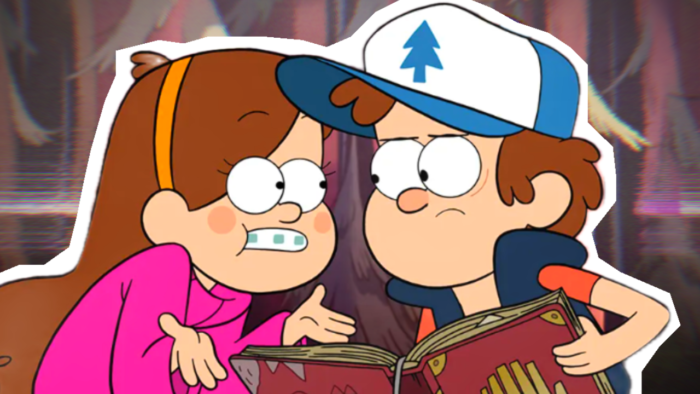
Many beloved animated series from the last 20 years—Adventure Time, Gravity Falls, Steven Universe—resonate strongly with older audiences but aren’t truly designed for toddlers or families. Meanwhile, preschool shows often only appeal to very young children and offer little for adults.
Bluey bridges that gap with ease.
It’s gentle enough for young kids, smart enough for older viewers, and emotionally rich enough for adults. It reflects real family life, real challenges, and real joy. Parents don’t just tolerate it—they genuinely enjoy watching it. Teenagers find depth in its messages. Adults see nostalgia and truth in its stories.
In an era where entertainment is heavily divided by age, Bluey is one of the rare shows that feels universal.
The Final Word
In the past 20 years, children’s animation has produced massive franchises and unforgettable characters. But no series has done what Bluey does: deliver emotionally layered, universally appealing storytelling that understands the hearts of kids and adults alike.
It is the rare show that entertains toddlers, captivates teenagers, and moves adults to tears—all within a seven-minute runtime.
And that’s why Bluey isn’t just the best kids’ cartoon of this generation. It’s one of the most important animated shows of the modern era.