The idea of humans turning into wolves has been around for thousands of years. Today, we think of werewolves as scary monsters from movies and books, but the legend began long before Hollywood. The werewolf myth grew from fear, misunderstanding, and the natural behavior of wolves. Over time, these stories spread across countries and became one of the most famous monster legends in the world.
So where did the werewolf myth actually come from? The answer lies in ancient beliefs, real historical events, and the way people once explained things they didn’t understand.
Wolves Once Ruled the Night
The earliest werewolf myths appeared in places where wolves were common. Long ago, wolves hunted at night and often came close to towns. People feared them because they were strong, fast, and worked together in packs. When animals went missing or someone disappeared, villagers sometimes blamed wolves.
Because wolves were powerful and mysterious, people imagined that humans could become wolves too. This idea became one of the first seeds of the werewolf myth.
Ancient Stories About Shape-Shifting
Many old cultures believed humans could change into animals. In ancient Greece, one story told of King Lycaon, who angered the gods and was turned into a wolf as punishment. His name is where we get the word “lycanthropy,” meaning werewolf transformation.
These stories taught lessons about power, punishment, and losing control. Over time, they blended with local fears and became the early form of the werewolf legend.
Real Illnesses Were Once Blamed on “Wolf Behavior”
Before modern medicine, strange behavior was often blamed on magic or monsters. Some people had conditions that made them act aggressively, grow more body hair, or behave in unusual ways. Villagers didn’t understand these illnesses, so they created stories to explain them.
In some places, people with rare disorders were accused of being werewolves because their symptoms seemed frightening or unexplained.
The Middle Ages Turned Fear Into Horror
During the Middle Ages in Europe, werewolf stories grew darker. Many believed in witches, curses, and evil forces. When strange crimes happened, people sometimes blamed “wolf-men” instead of trying to find real answers.
Some individuals were even put on trial for being werewolves, just like others were accused of being witches. These trials spread fear and gave the werewolf myth even more power.
Wolves Became Symbols of the Unknown
As cities grew and people moved farther from nature, wolves became symbols of wildness and danger. A person turning into a wolf represented losing control or giving in to darker instincts. It was an idea that fit perfectly into scary stories and legends.
This symbolism made werewolves easy to use in tales meant to warn, entertain, or frighten people.
Modern Movies Turned the Legend Into a Pop Culture Icon
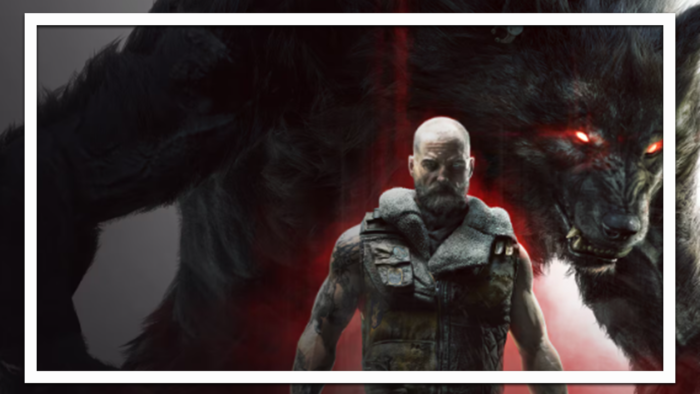
By the 1900s, movies and books gave werewolves a new form. Films showed dramatic transformations under the full moon, silver bullets, and the idea that a bite could pass on the curse. These elements were not in the earliest stories — they were created for entertainment.
Movies reshaped the legend, turning werewolves from ancient myth to one of the most famous monsters in pop culture. That modern version is the one most people know today.
Final Thoughts
The werewolf legend didn’t come from one moment or one place. It grew from fear of wolves, ancient stories about punishment, misunderstandings of real medical conditions, and the power of storytelling. Over time, the myth changed to match each generation’s imagination.
Even today, the idea of a person becoming a wolf still fascinates us because it asks a simple question: What happens when we lose control? That question helped the werewolf survive centuries — and it’s why the myth remains one of the strongest monster stories ever told.