When the Halo live-action series arrived, many fans were excited to finally see Master Chief and the world of Halo in a full TV format. But the moment the show aired, reactions were mixed. Longtime Halo players were frustrated, confused, and sometimes even angry. The show didn’t follow the games closely, it changed the lore, and it made choices that felt strange for a franchise built on decades of storytelling.
Even with all of that, the Halo show still managed to be a strong sci-fi series on its own. It looked great, had emotional depth, and delivered moments that hooked viewers who weren’t tied to the games. The show didn’t work as a perfect adaptation — but it did work as a TV show with its own identity.
Why Fans Didn’t Like It: It Didn’t Follow Halo’s Rules
The biggest issue for fans was simple: the show didn’t stick to the Halo universe they knew. Characters acted differently, the story changed major events, and the show focused more on personal drama than large-scale battles.
For gamers who spent years learning Halo’s lore, every change felt bigger than it was. Fans expected a faithful adaptation, but the showrunner wanted a new take. That difference created frustration from the very first episode.
Master Chief Took Off His Helmet Too Much
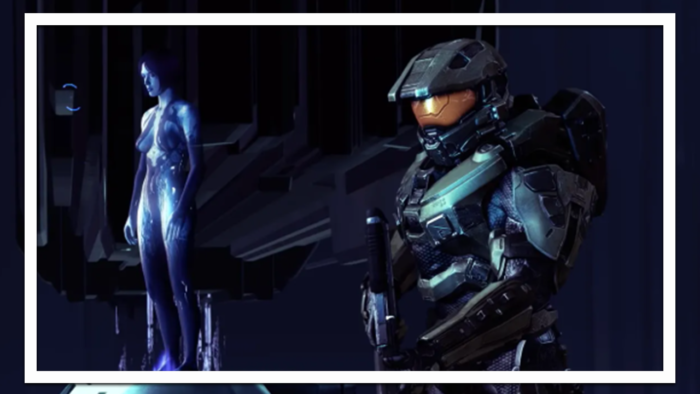
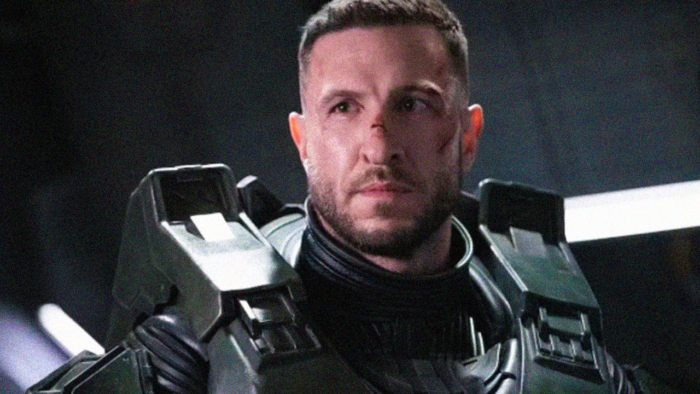
In the games, Master Chief almost never removes his helmet. It’s part of the character’s mystery. In the show, he takes it off often, revealing a more emotional, vulnerable version of Chief.
For fans, this broke the illusion. They felt like they were watching a different character, not the hero they had followed for years. But from a storytelling point of view, the show needed emotion and expression to work — and for casual viewers, seeing Chief’s face made him feel more human.
The Show Focused on Characters, Not Just Action
Many Halo fans expected constant battles, iconic moments, and scenes pulled straight from the games. Instead, the show spent time on relationships, personal conflict, politics, and emotional journeys.
This slow pace disappointed fans looking for nonstop action. But for people who enjoy character-driven sci-fi, it added depth. The show wasn’t trying to copy the games; it was trying to build a world that could last multiple seasons.
The Halo timeline is long and detailed. The show changed parts of it, introduced new stories, and rewrote others. Fans who loved the original lore felt like these changes weakened the universe. To them, it didn’t feel like Halo — it felt like a different sci-fi story wearing Halo armor.
But to viewers new to the franchise, the simplified lore made the show easier to follow. The changes gave writers more creative room, even if it upset longtime fans.
Why the Show Still Worked: It Looked and Felt Big
Even fans who disliked the story admitted one thing: the show looked incredible. The armor, the Covenant, the ships, and the environments were brought to life with a level of detail rarely seen in TV sci-fi.
The action scenes, when they happened, felt powerful and cinematic. The show had the budget and the talent to make the Halo world believable, even if the story wasn’t what fans expected.
Pablo Schreiber delivered a version of Master Chief that was emotional, conflicted, and layered. He wasn’t the silent soldier from the games, but he was a character viewers could understand and follow.
The supporting cast also carried the show with strong performances. Even when fans disagreed with the direction, the acting helped the story feel meaningful.
A Strong Sci-Fi Show — Just Not the Halo Fans Imagined
If you judge the Halo show as a strict adaptation, it missed the mark. It changed too much and pushed too far away from the source material. But if you judge it as an original sci-fi series that borrows elements from the games, it succeeds. It tells a human story, explores identity, and looks impressive on screen.
In many ways, the show served two different audiences — and only one of them was satisfied.
Halo Fans Wanted Faithfulness. The Show Wanted Freedom.
That is the core of the issue. Halo players wanted a series that honored the story they’ve loved for years. The TV show wanted to create something new. That creative split created a gap that was hard to bridge.
But even with the frustration, the show proved Halo can work in live action when explored with care, strong visuals, and deep character moments. It wasn’t the adaptation fans dreamed of, but it became a solid sci-fi drama that found its own voice.