The heart of early World of Warcraft was simple: the Horde and Alliance hated each other, and players felt that rivalry every time they logged in. It shaped the world, the quests, the zones, and the identity of the game. Being part of a faction meant something. It gave players a reason to fight, defend their lands, and feel loyal to their side.
But over the years, that strong identity faded. The Horde vs. Alliance war became softer, more flexible, and eventually almost optional. For many longtime fans, the change feels like losing one of the core elements that made WoW special in the first place.
The Original Factions Had Personality
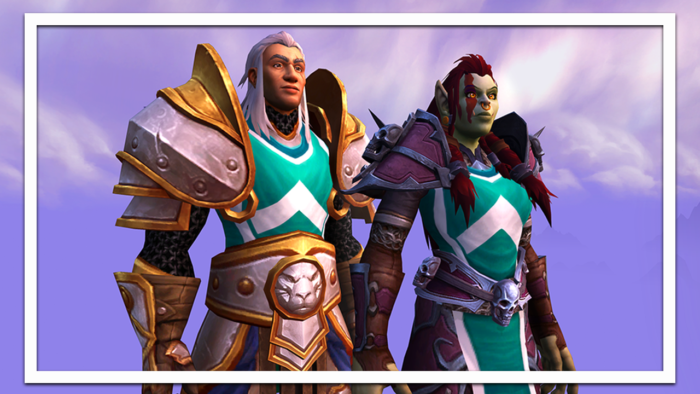
In the early days, the Alliance and Horde didn’t just look different — they felt different. Alliance was built around traditional fantasy heroes: humans, dwarves, elves, and noble knights. Horde felt rough, wild, and misunderstood, with orcs, trolls, tauren, and the Forsaken.
The factions had clear themes, different cultures, and unique stories. Players picked a side not just because of gameplay, but because they connected with the identity. It was personal. When you joined a faction, you joined a story.
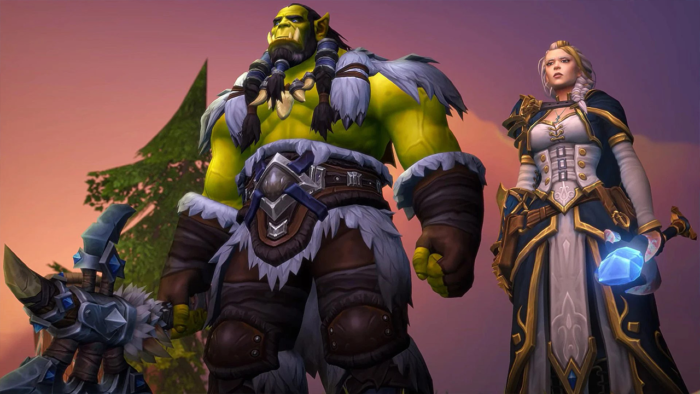
The Rivalry Shaped the World
Classic WoW made the faction conflict feel real. Players could attack each other in the open world, battles broke out in contested zones, and cities felt unsafe if the enemy raided them. You felt proud of your faction because you fought for it.
Southshore vs. Tarren Mill, Crossroads being raided daily, world PvP erupting out of nowhere — these moments created memories that shaped the WoW community. Fans loved the tension, the danger, and the sense that the world was alive.
Why Fans Feel the Faction War Lost Its Meaning
Over time, the faction divide changed. Blizzard introduced cross-faction grouping, shared goals, and storylines where Horde and Alliance work together more than they fight. While these features made the game easier to play, they also weakened what made the war special.
Many fans feel the rivalry became shallow. Instead of two powerful identities, the factions now feel like color swaps. The faction pride that once defined WoW has faded to the point where some players forget the war was ever important at all.
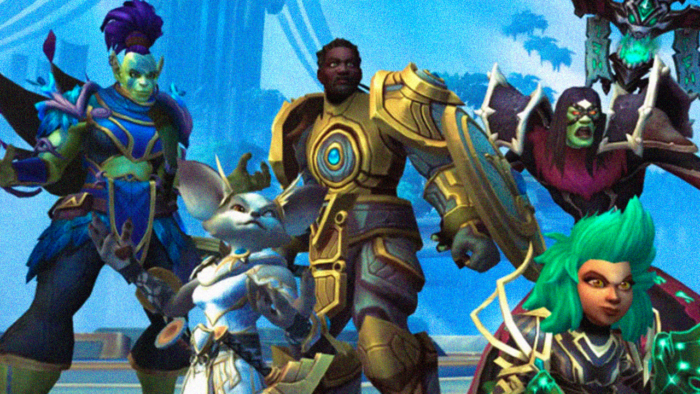
Cross-Faction Gameplay Removed the Wall
From a gameplay point of view, cross-faction grouping is convenient. But emotionally, it broke one of the strongest foundations of WoW. Players once chose a faction knowing it shaped their entire experience. You leveled with your own group, you formed your own community, and the enemy faction truly felt like the enemy.
Now players can raid together, run dungeons together, and even chat on the same side. For some, this feels like the world lost its identity. Without the wall between factions, the game loses the tension and pride that built the community in the first place.
Another big reason fans grew frustrated is the storyline. Over time, Blizzard repeated the same cycle: Horde and Alliance fight, a bigger enemy appears, everyone teams up, and the war becomes meaningless again.
Players wanted deep faction stories, not temporary conflicts that disappear as soon as a new expansion starts. Instead of exploring the cultures and differences of each faction, the game moved toward making everyone cooperate. The once-strong identities of both sides became blurred.
Factions Used to Feel Like a Choice — Now They Feel Like a Costume
In early WoW, your faction defined your character. You fought for it, lived through it, and accepted its strengths and flaws. Now the choice feels lighter. You can talk to the other side, work with them, and swap groups whenever you want. For some players, that makes the world feel less immersive.
When a core system no longer matters, players lose the sense of belonging that made WoW feel so alive.
Fans don’t miss the old faction war because it was balanced or fair — they miss it because it made the game feel personal. It gave players identity, purpose, and emotion. The rivalry created countless stories, friendships, and rivalries. It made the world feel dangerous and exciting.
Today, WoW is smoother and more convenient, but many players feel it has lost the spark that came from choosing a side and defending it. The original faction war wasn’t perfect, but it created a world that felt larger, louder, and more alive.
The Future Depends on Identity
If WoW wants to bring back that emotional connection, it needs to rediscover what made the factions special. Players want strong identities, meaningful conflicts, and stories that embrace the differences instead of burying them.
The Horde vs. Alliance war built World of Warcraft. Fans just want the game to remember that.